
Aviation Fuel Prices in Indonesia: List of Rates per Airport, Determining Factors, and Impact on Airlines
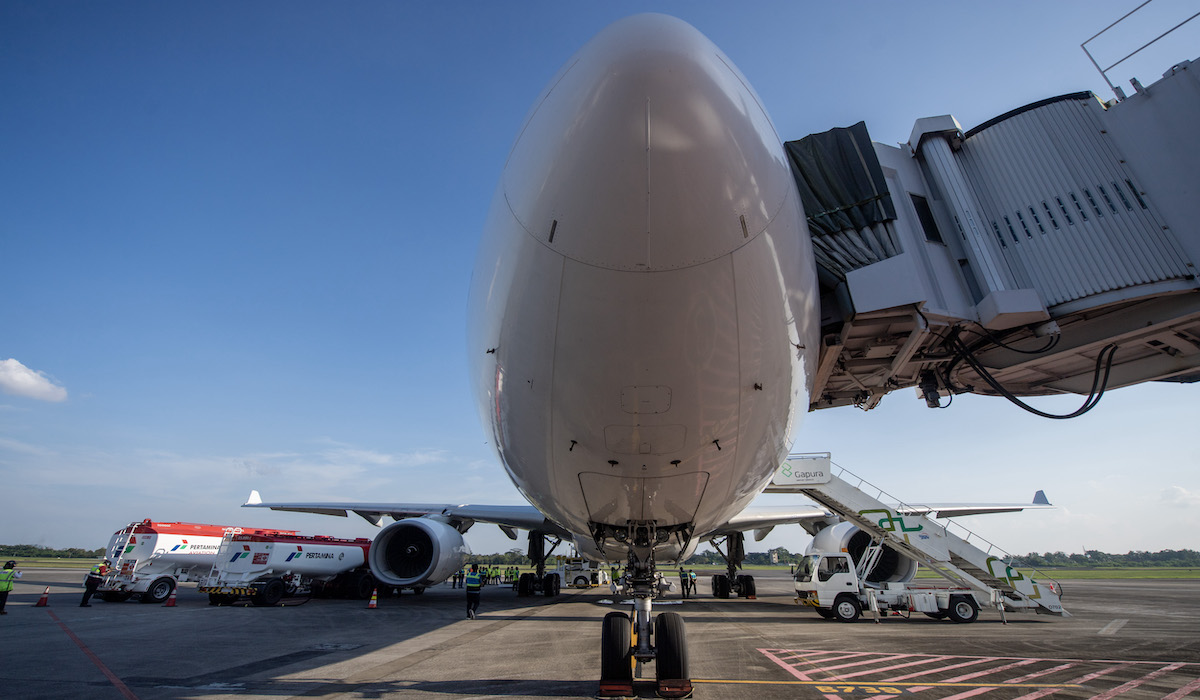
The government faces a policy dilemma with no truly comfortable solution. Aviation fuel prices represent one of the most critical components in the aviation industry. For airlines, aircraft fuel costs can constitute a significant portion of total operational expenses.
Consequently, fluctuations in avtur prices in Indonesia are always a point of concern for aviation operators, air logistics players, and transportation industry observers.
This article summarises the list of avtur prices per airport based on IATA codes, covering rates for international flights in US cents per litre and domestic flights in rupiah per litre. Additionally, we discuss the factors influencing avtur prices and why rates differ at each airport.
Avtur is a specialised fuel used for turbine engines, particularly in commercial aircraft. In the aviation world, avtur has strict technical specifications to maintain engine performance, combustion efficiency, and flight safety.
Given its vital role, the latest avtur prices are often used as a key indicator in analysing airline operational costs.
Based on available data, avtur prices at various Indonesian airports show clear variations.
From this pattern, it is evident that avtur prices per airport are not uniform. These differences are typically influenced by distribution factors, geographic location, demand volume, and logistics costs to specific regions.
Looking at the available data, several airports with lower domestic avtur prices include:
From the international rates perspective, the lowest price is recorded at:
These findings indicate that major airports or those with better logistics access potentially have more competitive avtur rates.
For the highest price category, several airports record similar figures.
Highest international rate: 154.6 US cents/litre
Highest domestic rate: Rp25,632.39 per litre
Airports in the highest price group include:
There are also many other airports very close to the highest level, such as BKS, TJQ, TMC, TTE, BIK, MKQ, TIM, and KNG.
Many people wonder why aircraft fuel prices in Indonesia are not the same at all airports? Here are some main causes.
Airports near distribution centres or main supply routes usually have more efficient prices. Conversely, airports in island regions, eastern Indonesia, or areas with limited distribution access tend to have higher costs.
Airports with high flight traffic usually have large avtur consumption volumes. This economies of scale can reduce the cost per litre compared to airports with lower flight frequencies.
The availability of storage facilities, hydrant systems, and fuel refuelling infrastructure also affects avtur distribution costs to the aircraft.
For domestic rates, the data includes prices that already incorporate VAT and government taxes, so fiscal components also influence the final price.
In airline operations, even small changes in domestic or international avtur rates can have a significant impact on cost structures. The effects include:
Therefore, monitoring the latest avtur prices is very important, especially for airlines serving long-haul routes, pioneering routes, and areas with high logistics costs.
Data on avtur prices per airport shows that aviation operational costs in Indonesia are heavily influenced by geographic conditions and energy distribution. In a broader context, this price structure can serve as material for evaluation for:
For industry players, such data is useful for reading cost trends and formulating more precise operational strategies.
Avtur prices in Indonesia vary between airports, both for international and domestic flights. From the available data, international rates range from 142.3-154.6 US cents per litre, while domestic rates range from Rp23,551.08-Rp25,632.39 per litre.
These price differences are inseparable from distribution factors, location, usage volume, and tax components. Since avtur is a vital component in airline operations, understanding the list of avtur prices per airport is essential for aviation industry analysis, air logistics, and cost efficiency.