
Automotive Supply Chain Disrupted, Astra Rearranges Distribution Routes
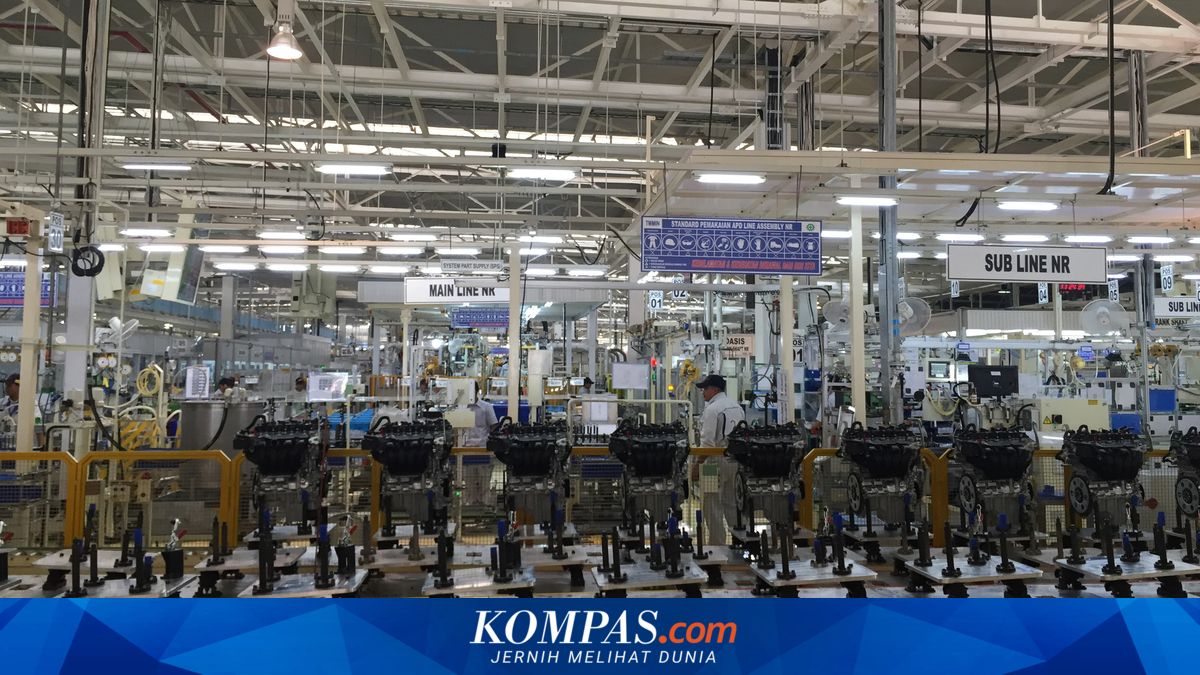
JAKARTA, KOMPAS.com - The escalating global geopolitical tensions are undoubtedly impacting the distribution channels of the automotive industry. Amid the still turbulent global supply chain, industry players are compelled to be more adaptive in managing logistics to keep operations running smoothly.
As one of Indonesia’s largest automotive groups, Astra is also feeling the effects, particularly in the smooth distribution of raw materials and finished vehicles.
Astra’s President Director Rudy stated that the geopolitical dynamics are exerting pressure, both directly and indirectly, on the company’s supply chain.
One manifestation is in the logistics sector, which now faces challenges of route uncertainty and material availability.
“If we’re talking about the impacts, there are certainly direct and indirect ones. We’re feeling the influence on logistics and material availability, which is not as smooth as before,” said Rudy during Astra’s 2026 Annual General Meeting of Shareholders (AGMS), on Thursday (23/4/2026).
According to him, this situation is pushing the company to be more flexible in managing distribution. One step taken is to re-evaluate shipping routes and redirect them to areas deemed safer.
“Rearranging distribution routes to safer regions. The main point is how we bring efficiency,” said Rudy.
These adjustments involve re-evaluating previously used distribution routes, especially those affected by global geopolitical dynamics.
Some shipments are then redirected to alternative routes considered more stable to maintain supply continuity amid uncertainties.
These adjustments are made to minimise the risk of supply chain disruptions, while also ensuring smooth distribution in the midst of the still uncertain global situation. At the same time, this step is aimed at maintaining logistics cost efficiency, which could potentially increase due to changes in shipping routes.
At the global level, the pressure on the logistics sector is also reflected in the conditions of the international shipping industry.
Referring to the Drewry World Container Index, global container shipping costs during periods of geopolitical disruption have been recorded to increase by tens of percent, while logistics transit times on several major routes have also risen due to changes in shipping lanes and congestion at alternative ports.