
Automotive Giant to Lay Off 100,000 Employees, Falling
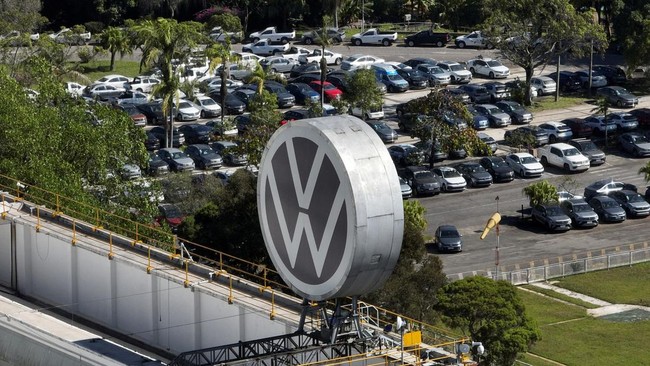
Automotive giant Volkswagen has announced that it will lay off 100,000 employees by the end of this decade. This drastic decision was forced upon the company following heavy hits from United States import tariffs and fierce competition from Chinese rivals.
According to reports, management and trade unions have agreed on a massive cost-cutting plan that includes cutting an additional 50,000 positions by 2030, bringing the total planned layoffs to 100,000 people. The number of car models produced by the Volkswagen Group, which also oversees brands such as Bentley and Audi, will be reduced by half.
“It is vital to systematically align workforce levels with economic realities,” the company stated.
Volkswagen CEO Oliver Blume was previously heckled by staff last month during a tour of the company’s headquarters in Wolfsburg while discussing financial challenges. At that time, the restructuring plan had not yet been approved by the supervisory board representing labour and shareholders.
However, on Thursday, the company confirmed that the powerful board has now given its full green light.
“The supervisory board has unanimously approved the executive board’s future plan presented today. This is a strong signal for the future of the Volkswagen Group,” he said.
The total elimination of 100,000 positions will constitute the largest restructuring ever undertaken in the global automotive industry. This figure is equivalent to approximately 15% of Volkswagen’s total 650,000 employees across its various brands, which also include Skoda, Seat, Porsche, Cupra, and Lamborghini.
In addition to the massive workforce reductions, management and trade unions have also agreed that the future of four factories in Germany—located in Hanover, Emden, Zwickau, and Neckarsulm—cannot be guaranteed into the 2030s and could potentially face permanent closure within the next eight years.
The heavy pressure facing Volkswagen is inextricably linked to a trend of declining profits and overproduction issues in Europe that have loomed for years. Competition from Chinese brands, both in Europe and within China itself, has been a primary catalyst for the poor performance of this German automotive giant.
Similar issues are being faced by other German automakers, such as BMW. The Munich-based company has been forced to cut its profit guidance for this year due to supply chain disruptions caused by the Iran conflict and difficulties in penetrating the Chinese domestic market.
Source: jawawa.id (https://jawawa.id/newsitem/automotive-giant-to-lay-off-100-000-employees-falling-1788486810)
Originally published by CNBC Indonesia (https://www.cnbcindonesia.com/news/20260904062101-4-764831/raksasa-otomotif-phk-100000-karyawan-jadi-korban-china-trump), translated from Indonesian