
Authority prepares community to free IKN from malaria and dengue fever
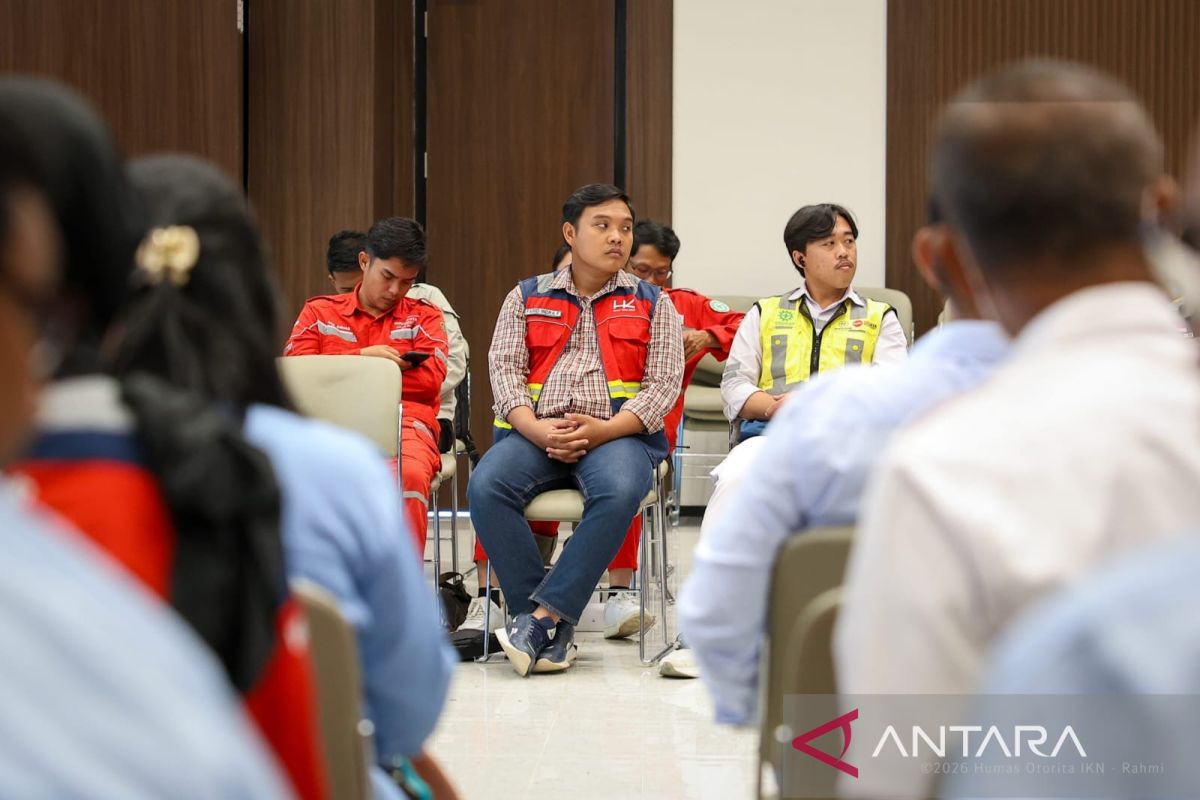
Penajam Paser Utara - The Nusantara Capital Authority (Otorita IKN) is preparing local communities as the frontline guardians to free the Nusantara Capital (IKN), under construction in parts of Penajam Paser Utara Regency and Kutai Kartanegara Regency in East Kalimantan Province, from malaria and dengue haemorrhagic fever (DBD). “Health development positions the community as the main actor,” said Suwito, Director of Basic Services at Otorita IKN, when asked about health management in Sepaku, Penajam Paser Utara, on Saturday. “This step also strengthens promotional and preventive efforts to realise an IKN free from malaria and DBD,” he added. According to him, the IKN health cadre team, formed from community members, is expected to carry out roles in educating residents, controlling vectors (disease-transmitting organisms) in the environment, and sustainable disease prevention. “Community involvement is key to breaking the chain of transmission, because controlling malaria and DBD cannot be done by the health sector alone, but also requires the role of the community,” he stated. Currently, in the Core Government Centre Area (KIPP) of IKN, there are no local malaria transmissions, but DBD remains a challenge that must be addressed. Otorita IKN targets a 50 per cent reduction in DBD cases through strengthening early warning systems and enhancing the role of communities, particularly in residential areas and high-risk construction sites due to water puddles. Participants in the training are projected to become health cadres who play roles in community education, environmental control, and disease prevention in their respective work environments. Bambang Siswanto, representative from the Ministry of Health (Kemenkes), stated that a community-based approach in disease control is very important. Kemenkes is intensifying the Jentik-Free Village programme, which aims to control disease vectors such as malaria and DBD. The programme has been piloted in several regions, including East Kalimantan, particularly in Penajam Paser Utara Regency. The main roles lie with sub-district heads, village heads, and local governments, while health workers act as technical facilitators. “The central government is also preparing a concept for jentik-free zones for special areas such as industrial zones and the IKN area,” said Bambang Siswanto. Challenges in disease control arise alongside construction activities, one of which is construction areas considered vulnerable spots for mosquito breeding due to water puddles.