
Australia's Housing Crisis Opens Doors for Indonesian Investors
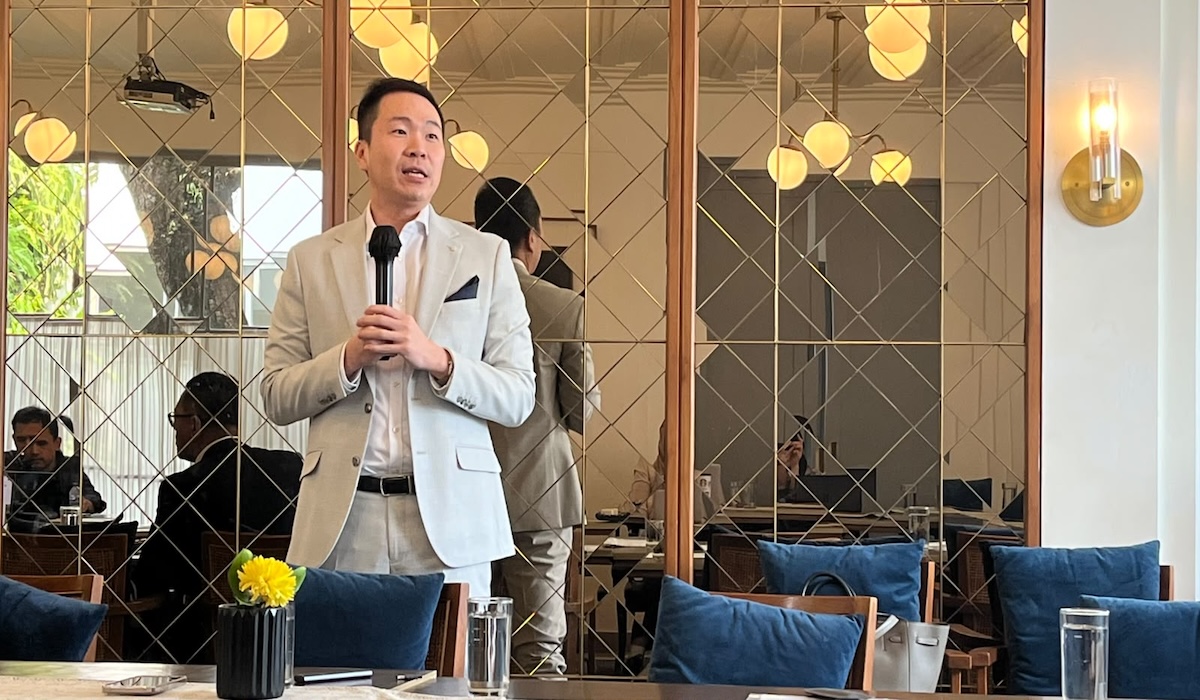
Capital Value International Group (CVIG) is preparing a premium townhouse project worth approximately Rp225 billion in Roselands, Sydney, Australia, amid limited housing supply and high demand for accommodation in the city.
CVIG Chief Executive Officer Chandra Leonardi said Sydney’s housing market conditions are one of the reasons the company continues to develop landed housing, particularly townhouses, which are considered to have more limited supply compared to apartments or freestanding houses.
“In Sydney, it’s mostly either apartments or freestanding houses. The supply in between freestanding houses and apartments is very limited,” Chandra said in Jakarta on Monday (10/8).
He explained that CVIG’s latest project is being developed on approximately 2,000 square metres of land in Roselands, about 20-30 minutes’ drive from Sydney’s Central Business District (CBD). The project consists of seven townhouse units, each priced at around Rp30 billion.
Chandra said the Roselands project is the company’s third development project. The two previous projects each consisted of two units, bringing the total number of homes developed and under development to around 11 units. CVIG has also acquired a fourth project, although the completion process is still ongoing.
According to Chandra, the focus on townhouses is inseparable from strong demand for landed housing in Sydney, both from local buyers and foreign investors.
He said several townhouses previously marketed by CVIG for other developers sold within approximately two to three weeks. Demand, according to him, comes not only from buyers outside Australia but also from domestic consumers.
As an illustration, Chandra said prices in one area of Edmondson Park increased by around 25 percent over the past three years. This statement was based on the company’s experience and observations of the markets they handle.
CVIG sees limited supply as one of the main factors underpinning Sydney’s property market. In his presentation, Chandra said Sydney is experiencing a shortage of around 187,000 homes, while migration flows add to the need for new housing.
“People need to live somewhere. Either rent or buy,” he said.
He also noted that newcomers generally do not buy a home immediately after moving to Australia and first enter the rental market. This condition, according to him, helps keep housing demand high.
In materials presented by the company, the Australian Government through the National Housing Accord is targeting the construction of 1.2 million new homes by 2029. However, construction costs, labour shortages, and planning approval processes are cited as ongoing challenges to increasing supply.
CVIG also cited Australian Bureau of Statistics data showing the value of Australia’s residential property market at around A$12.8 trillion. Meanwhile, market data cited by the company indicates the median house price in Sydney has surpassed A$1.2 million and the residential vacancy rate is around 1.3 percent.
Chandra said these conditions led the company to select properties in locations with strong demand and long-term prospects. In addition to distance from the city centre, CVIG considers due diligence results, access, and the characteristics of the surrounding environment.
The company, he said, also seeks projects with scenic advantages. In CVIG’s assessment, water views, city views, and park views are three characteristics in high demand in the Australian market.
“When we do business, the most important thing is actually demand. If we play the game where demand is clearly high, for me that is less risky,” Chandra said.
In addition to the Australian domestic market, CVIG is targeting Indonesian investors seeking to diversify their assets overseas.
The company believes changes in the composition of foreign investors in Australia are opening opportunities for Indonesian buyers. In its release, CVIG said the value of residential property investment approvals for Indonesian investors is around A$100 million based on Foreign Investment Review Board (FIRB) data.
At the same time, the company said property investment from China has declined compared to its peak period due to the economic slowdown, pressure on China’s property sector, and capital flow restriction policies.
According to Chandra, Indonesian investors have the potential to capture some of that space, particularly in the premium housing segment in Sydney.
He said his closeness to Indonesia is also a reason the company offers Sydney projects to domestic investors.
“Because I was born in Indonesia. For me, this is also my home,” he said.
CVIG was founded by Chandra in 2013. The company initially operated as a property marketing agency before beginning to develop its own projects in 2017.
Chandra said CVIG’s business model now encompasses property sales, leasing, and development. This model means the company not only sells units but can also help investors find tenants before the settlement process is completed.
“We are not just salespeople. We are also investors and developers. So we are complete. Our holistic approach is what makes the difference,” he said.
In the press conference transcript, Chandra said the value of property sales transactions handled by the company is around A$490 million. He said the company measures sales performance more by transaction value than by the number of units sold.
For the Roselands project, CVIG has partnered with M.A.R.S Architecture & Interior Design Australia as the design partner. The company believes location, land component, main road access, and design quality are factors that determine the long-term resilience of a property’s value.
Chandra said CVIG’s strategy currently remains focused on Sydney because the city is considered to have demand not only from local residents but also from the international market.
“Sydney is one of the global cities. So when we do business, the most important thing is actually demand,” he said.