
Australian Residents Urged to Use Public Transport Amid Energy Crisis
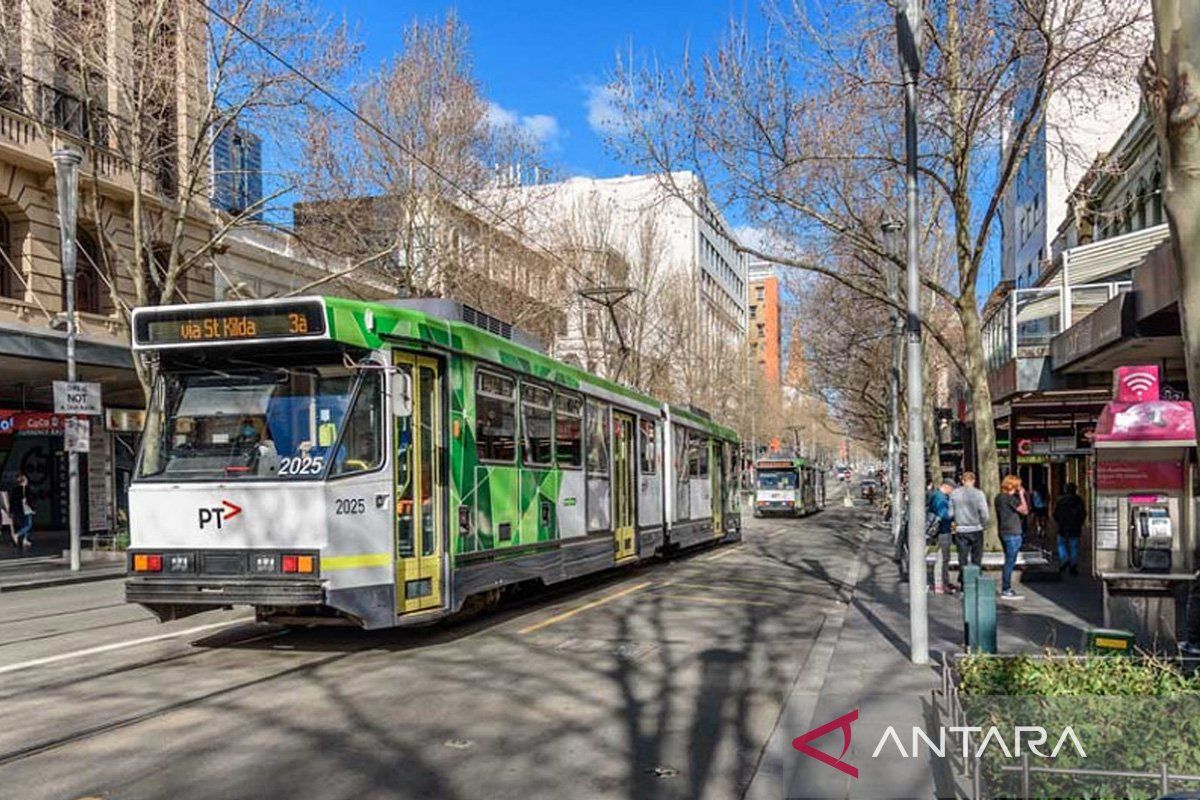
Istanbul (ANTARA) - Australian residents were urged on Wednesday (1/4) to switch to public transport because the armed conflict in the Middle East has affected energy supplies to much of Asia.
Warning that “the months ahead may not be easy,” Prime Minister Anthony Albanese, in a rare national address to Australians, said: “if you are travelling by private vehicle, do not carry more fuel than you need.”
“If you can switch to using trains, buses, or trams for work, do so. It will build our reserves and save fuel for the community,” Albanese said, as Australia has begun using its strategic reserves.
Canberra has also ordered emergency fuel reserves from the US for the first time in several decades.
Australia only obtains 2 percent of its energy products, worth 37 billion dollars in 2024, from the Middle East, and has halved its fuel tax.
“We are working to lower fuel prices, produce more fuel here, and keep it in the country,” he said, adding that the war in the Middle East has caused “the largest increase in petrol and diesel prices in history.”
“And to get more fuel here, using our strong trade relations with the region to bring more petrol, diesel, and fertiliser to Australia,” Albanese said.
He also noted that “no government can promise to eliminate the pressures caused by this war.”
“These are uncertain times, but I am absolutely confident of this: we will face this challenge the Australian way, working together and looking after each other, as we always have,” he stressed.
Albanese said that although Australia is “not an active participant” in the ongoing war in the Middle East, “all Australians are paying a higher price because of it.”
Regional escalation in the Middle East continues since Israel and the US launched attacks on Iran on 28 February, killing more than 1,340 people to date, including Iran’s then supreme leader, Ali Khamenei.
Tehran has retaliated with drone and missile strikes targeting Israel, Jordan, Iraq, and Gulf countries hosting US military assets, causing casualties and infrastructure damage as well as disrupting global markets and aviation.
At least 13 US soldiers have been killed and dozens more injured in the ongoing armed conflict.
Iran has maintained effective control over the Strait of Hormuz, a vital waterway for energy supplies to Asian countries.