
Australia to evacuate scientists from sub-Antarctic island
The Australian government said on Friday (28/8) it will evacuate scientists from a sub-Antarctic island because of the “psychosocial risk” from a potential outbreak of H5N1 bird flu.
The Department of Climate Change, Energy, the Environment and Water (DCCEEW) said it will temporarily withdraw staff from the Australian Antarctic Program research station on Macquarie Island, a remote Australian territory located about 2,000 km southeast of the mainland.
DCCEEW said the highly pathogenic H5N1 bird flu strain has not yet been detected on the island, but experts expect a significant mortality event is likely to occur during the coming breeding season.
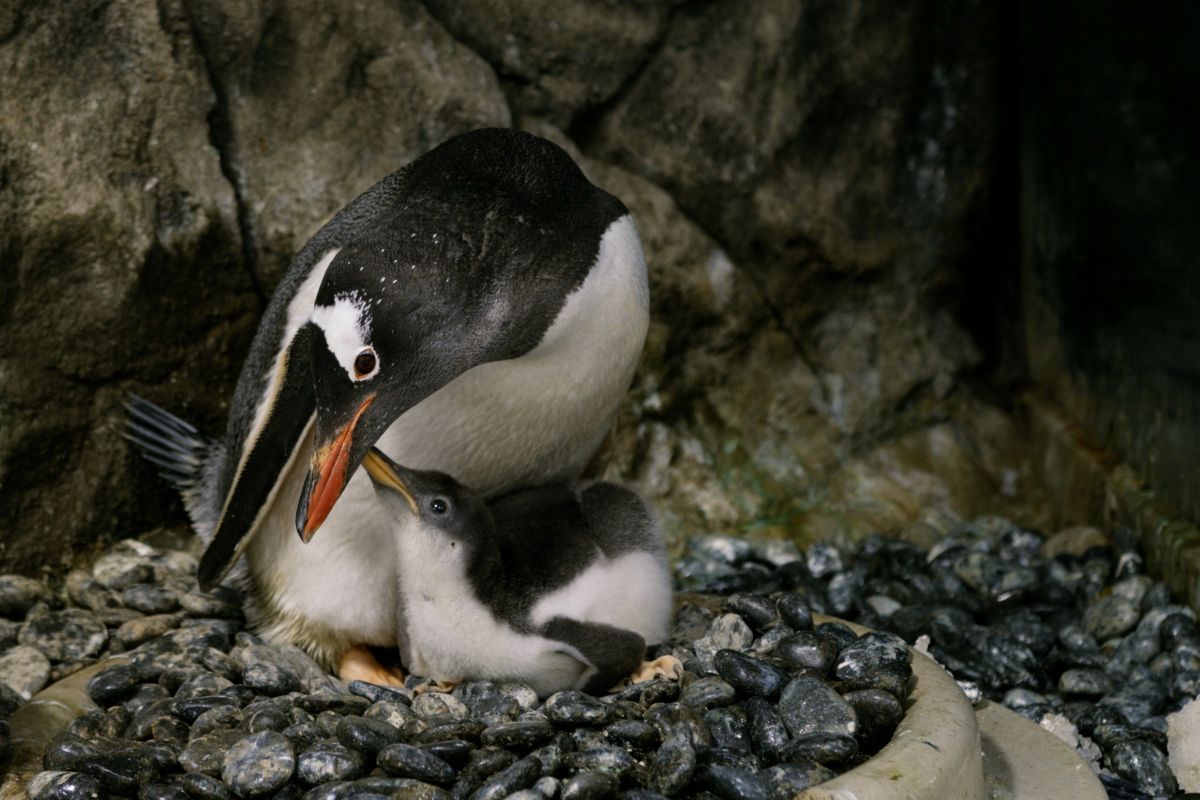
The island, which was inscribed on the UNESCO World Heritage List for its outstanding universal value in 1997, is home to up to 100,000 seals and millions of seabirds, including more than 850,000 breeding pairs of endemic royal penguins, at various times throughout the year.
“This is an unusual step, but it is the most appropriate action based on our assessment of the risks and operational conditions,” DCCEEW Deputy Secretary Sean Sullivan said in a statement.
“While the risk of H5 bird flu to humans is considered low, we cannot ignore the psychosocial risk of living in close proximity to large numbers of potentially infected animals.”
The department said the Australian Antarctic Program’s primary supply and research vessel, RSV Nuyina, will travel to the island in late September or early October to collect 24 scientists, skilled workers and support staff, as well as transport essential cargo.
A number of options for monitoring the situation on the island are being considered, and Sullivan said Australia remains committed to maintaining a long-term presence on Macquarie Island.