
Australia Tightens Social Media Ban for Under-16s, Doubles Fines to Rp 1.2 Trillion
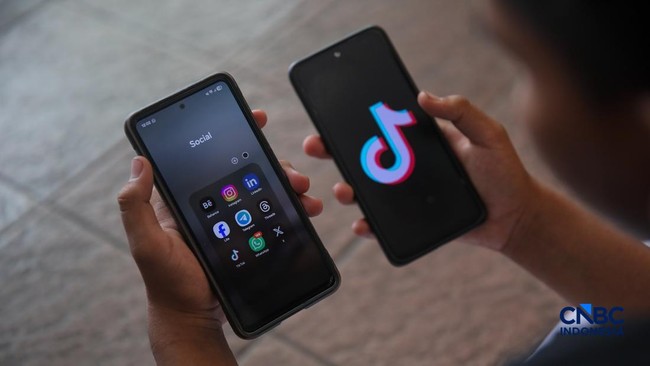
The Australian government is moving to reinforce its ban on social media access for children under 16, after finding the landmark policy has failed to significantly curb usage among teenagers. The proposed amendments, already submitted to parliament, include a sharp increase in maximum fines for platforms that fail to block underage users, raising the penalty to US$68 million (Rp 1.2 trillion).
Australia’s approach, considered the strictest in the world, has drawn international attention as other countries grapple with concerns over the impact of social media on the mental and physical health of young people. The regulation prohibits platforms such as TikTok, Instagram, and YouTube from allowing users under 16, but implementation has proven difficult. Research indicates that age verification mechanisms, including selfie-based checks, are easily circumvented by children, and many are not even asked to prove their age upon signing up.
Prime Minister Anthony Albanese stated the government wants to ensure the rules are as robust as possible and can withstand any legal challenges. The government plans to grant clearer and more adequate authority to the eSafety Commissioner, the national internet watchdog, though technical details of the enforcement measures have not been disclosed. Communications Minister Anika Wells confirmed that legal action is being prepared against five major platforms, which could face fines of up to 49.5 million Australian dollars (Rp 545 billion) if found to have systematically failed to enforce the ban.
Despite initial reports of millions of accounts being closed when the law took effect last December, parental reports and studies suggest teenage social media habits remain largely unchanged. A study published in the British Medical Journal found that 85% of Australian children aged 12 to 15 were still using social media three months after the ban commenced, with two-thirds of violators simply claiming to be over 16 or uploading a compliant selfie. This aligns with findings from the eSafety Commissioner in March, which noted a third of under-16s remained active on social media.
Indonesia has implemented its own restrictions through PP Tunas, though it takes a different approach by allowing children to hold social media accounts with parental permission, rather than imposing an outright ban.