
Australia Reveals Difficulties in Enforcing Child Social Media Ban, Similar to Indonesia's New Rules
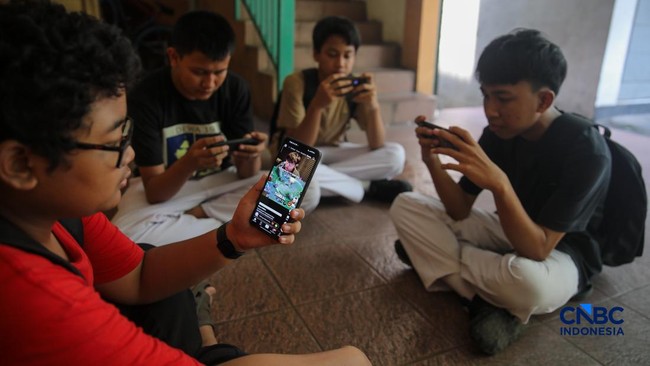
Jakarta, CNBC Indonesia – Australia has found the going tough in enforcing restrictions on social media use by children under 16. A similar rule has been implemented in Indonesia through PP Tunas, reinforced by Minister of Communication and Digital Affairs Regulation Number 9 of 2026, effective from 28 March 2026.
The rule is fundamentally aimed at protecting children from exposure to negative content on social media. In parallel, social media platforms are expected to be proactive in stamping out harmful content.
Although similar legislation was passed in Australia as early as December 2025, many challenges remain in its implementation, ranging from non-compliance by platforms to methods used by underage users to circumvent age verification.
Furthermore, social media platforms are said to still be displaying dangerous content online. A recent report noted that social media has been unable to tackle sexual extortion fraud occurring on their platforms.
The eSafety report stated that online platforms failed to use available technology to identify the coercion scripts used by sexual extortion perpetrators.
eSafety Commissioner Julie Inman Grant said her office had provided evidence about platforms being controlled by criminals and how to address the problem. However, no social media company has yet responded to these efforts.
“We have not seen an adequate response even though the technology is available,” Grant said, quoted by Reuters on Tuesday (14 July 2026).
Previously, the Australian regulator received more than 2,000 complaints of sexual extortion between July and December 2025. The greatest impact was on men aged 18–24.
Last year’s eSafety study also found that more than one in ten teenagers aged 16–18 had fallen victim to sexual extortion. More than half reported being targeted even before turning 16.
The sexual extortion follows the same tactics. Unfortunately, the platforms have been unable to detect it.
eSafety also highlighted deficiencies in reporting tools across several services, while some services were said to lack clear and easily accessible means of filing reports.
“Deficiencies in reporting tools exist across services such as WhatsApp, iMessage, Discord and Google Messages, while a number of services have no clear and accessible way to report sexual extortion or child abuse, or fail to provide dedicated reporting categories,” the agency said.
Australia became the first country to implement a social media age restriction, precisely as Indonesia has also done. Then, last June, the government introduced rules giving eSafety greater authority to take technology companies to court if they fail to comply with age-based usage bans.