
Australia Pushes for Deeper Security Partnership with Indonesia Amid Regional Uncertainty
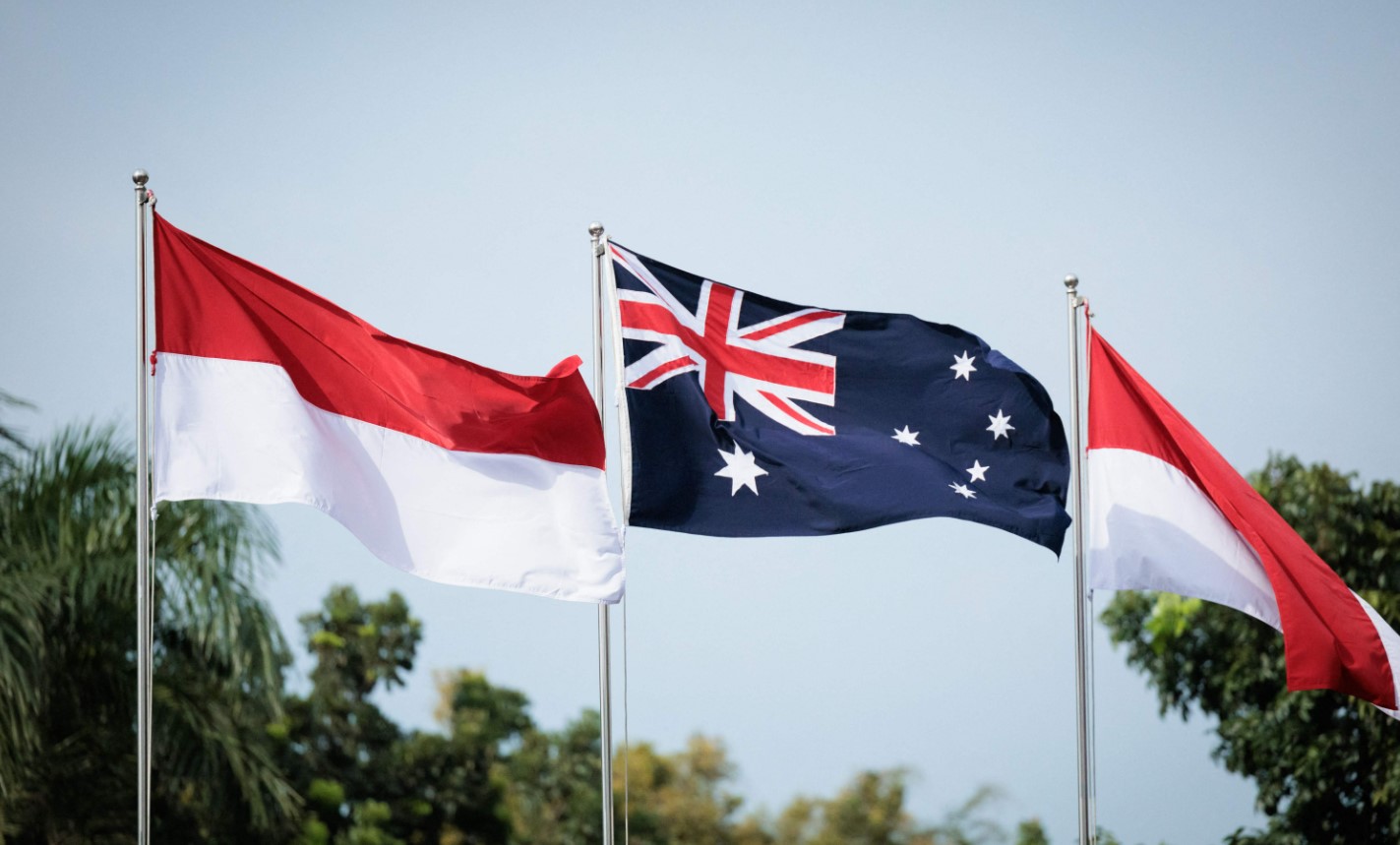
Amid increasingly complex regional geopolitical dynamics, Australia regards the signing of the Australia-Indonesia Joint Security Agreement, or The Jakarta Treaty, as a new foundation for strengthening its strategic partnership with Indonesia in order to maintain regional stability and security.
Australia’s Assistant Minister for Foreign Affairs and Trade, Matt Thistlethwaite MP, said The Jakarta Treaty is a new foundation built upon the trust and cooperation that Indonesia and Australia have fostered over many years.
“This agreement is built on the trust and cooperation established between our two countries. At its heart is the understanding that peace and security in the region can only be achieved if we work together,” Thistlethwaite said in Jakarta on Tuesday (14/7).
He explained that the treaty obliges both countries to hold regular consultations on various issues affecting their shared security. In addition, the scope of cooperation has been expanded to a number of strategic sectors.
“This agreement requires both countries to consult regularly on issues affecting our common security and to develop cooperation that strengthens each nation’s national security as well as regional security,” he said.
According to Thistlethwaite, The Jakarta Treaty covers cooperation in defence, maritime security, cyber security and economic resilience. Australia sees the treaty as an umbrella for a range of new bilateral security initiatives.
“Whether in defence, maritime, cyber or economic cooperation, this agreement opens the way for a range of new bilateral security initiatives, including more advanced joint military exercises, the development of defence training facilities in Indonesia, and broader placements for senior Indonesian officers within the Australian Defence Force,” he continued.
Beyond strengthening military cooperation, Australia will also expand educational exchange programmes for future military leaders of both countries through the Young Leaders Forum.
“This agreement also expands the military education exchange programme through the Young Leaders Forum, so that future military leaders of Indonesia and Australia can build relationships and cooperate from an early stage,” Thistlethwaite explained.
He added that the treaty’s implementation is also directed at strengthening people-to-people ties, including improving Australians’ understanding of Indonesia.
The Australian government, he said, has prepared additional funding for the Australia-Indonesia Institute to enhance Indonesian language capability and understanding of Indonesia in Australia.
“Implementing this agreement also gives us the opportunity to invest in our most important asset, namely human resources. We are providing additional funding to the Australia-Indonesia Institute to improve Indonesian language skills and understanding of Indonesia in Australia,” he added.
Thistlethwaite considers improving literacy about Asia, particularly Indonesia, to be an important part of Australia’s long-term strategy.
“I always say that if Australia wants to be part of Asia, then we must be able to communicate with Asia. That is why our government continues working to improve Asia literacy among young Australians through the education system,” he said.
Amid increasingly complex regional geopolitical dynamics, he affirmed that Indonesia and Australia share the same interest in maintaining regional stability and strengthening the two countries’ strategic partnership.
“Together we face an increasingly challenging geopolitical environment. By deepening cooperation through The Jakarta Treaty, we can support one another as neighbours, partners and friends,” he concluded.