
Australia on Alert as Deadly Bird Flu Cases Detected
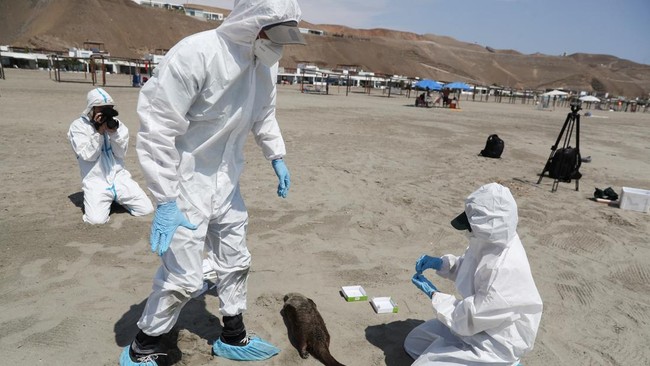
Australia has detected a second case of the deadly H5N1 bird flu after a giant petrel in Western Australia tested positive for the virus. This follows the first detection of the same strain in a brown skua in a nearby area.
Agriculture Minister Julie Collins issued an official statement on Monday, saying the government is still working to determine whether the virus has spread more widely in the wild or remains limited to the two identified cases. “We are working to determine whether H5 bird flu has spread in wildlife in Australia, beyond these two isolated birds,” Collins told reporters, as quoted by Australian Associated Press (AAP).
Environment Minister Murray Watt also issued a warning, urging the public to avoid contact with sick or dead birds. He said that although only two cases have been confirmed, the government is not underestimating the threat the virus could pose to Australia’s wildlife and agricultural sector.
Concerns have heightened after more than a dozen reports of sick or dead birds were received by local authorities. Although no cases have yet been found on commercial poultry farms, Australia’s largest chicken producer, Inghams Group, immediately tightened preventive measures across all its facilities in Western Australia. The company imposed a total lockdown on all farms and processing facilities, restricting access to essential activities only. Inghams is also urging the state government to issue a regional order requiring free-range poultry to be housed indoors to minimise the risk of transmission.
Chief Veterinary Officer Beth Cookson said Australia has been preparing for the H5N1 threat for years, as it was previously the only continent unaffected by the strain. She said the current focus is on determining whether the virus has spread to other animal populations in Australia. Cookson noted that both infected birds originated from breeding habitats in the sub-Antarctic region, specifically Heard Island and McDonald Islands, where the H5N1 strain has reportedly killed around 13,359 southern elephant seal pups.
As a precaution, the federal government has developed more than 100 response plans for key locations and vulnerable species. It has also allocated approximately US$100 million, equivalent to Rp1.78 trillion, to enhance outbreak preparedness.
The new detection has sparked concern among scientists, conservation groups, and agricultural industry players. University of Melbourne researcher Michelle Wille said the experience of other countries shows the impact of H5N1 can be devastating. She noted that more than 200 million chickens have been culled in the United States since the virus spread, while in other regions the outbreak has triggered mass wildlife deaths and population declines at the species level.