
Australia Gets Serious About Coffee Industry, Aims to Develop Home-Grown Beans
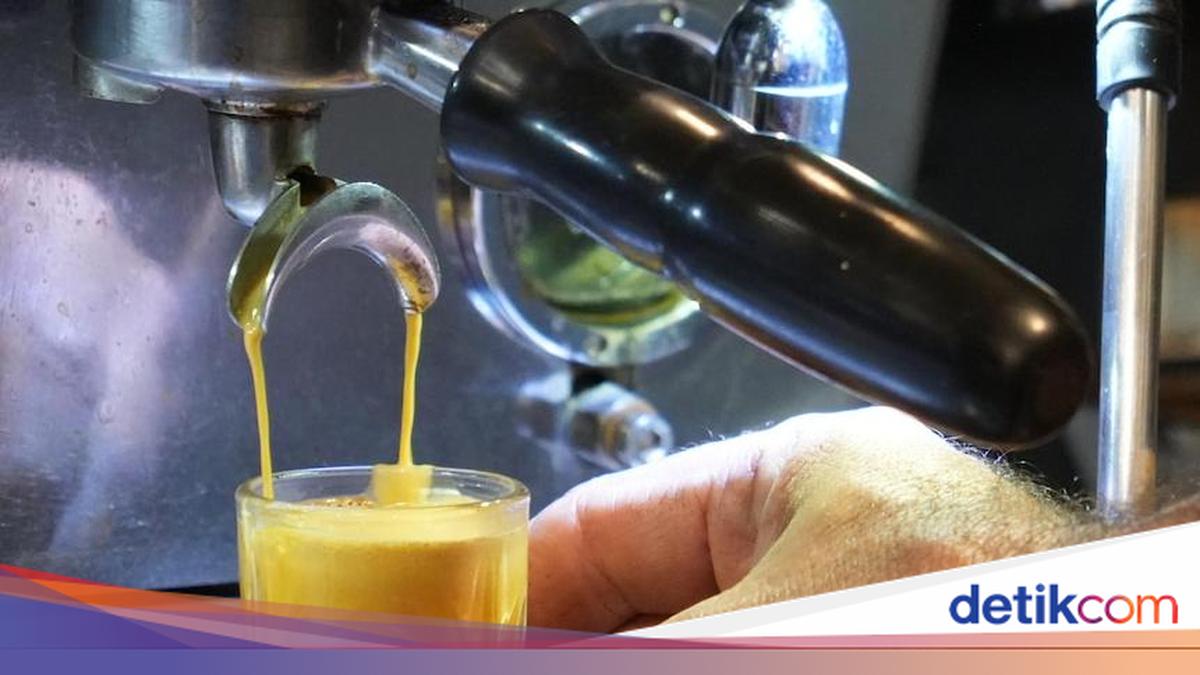
Australia is one of the world’s largest coffee-consuming nations. However, less than one per cent of the coffee consumed is grown domestically, with the remainder sourced from overseas. The coffee harvest is currently commencing in the Atherton Tablelands in Queensland. Researchers and farmers in the region believe the domestic coffee industry has room to grow. Increasing consumer demand, improved production methods, and trials of new coffee varieties are fuelling optimism that Australia can produce a larger domestic bean supply.
Tobias Kretzschmar, a professor of crop science and genetics at Southern Cross University, has been testing various coffee varieties for years to identify those most suitable for Australian conditions. ‘We will never be a major market, so we will never be able to meet the entire Australian coffee demand, even if we push production to the maximum,’ he said. ‘What we want is sustainable intensification. We might be able to grow through shifting consumer preferences, and also because we are starting to become competitive on price.’ Professor Kretzschmar’s research has identified four promising coffee varieties, and farmers are now scaling up production on commercial farms.
Although the Australian coffee industry is concentrated in North Queensland and northern New South Wales, Professor Kretzschmar said there are new regions with potential. ‘We are now going to test whether we can grow coffee in Western Australia, and also expand the production area in established regions,’ he said. ‘This allows coffee to become a larger commodity within the Australian coffee industry and market.’ He noted that interest is also growing among producers looking to diversify, particularly avocado farmers. ‘One of the main drivers we have realised is the overproduction of avocados in Australia,’ he said. ‘Many avocado farmers are looking to diversify. Traditionally, if you can grow avocados, the climate and soil are also suitable for growing coffee, so it is worth a try.’ Professor Kretzschmar added that macadamia farmers are also exploring coffee as an alternative crop.
North Queensland coffee farmer Jack Murat has been testing several new varieties on his farm and has expanded production in both variety and volume. ‘We will be planting… 80,000 more plants [this year],’ he said. Murat noted that less than 0.5 per cent of coffee consumed in Australia is produced, grown, and roasted domestically. ‘It would be great if we could raise that figure by a few per cent,’ he said. He observed that consumer interest in Australian coffee has steadily increased over the past five years. ‘I think the demand for Australian-grown and produced coffee, but also agricultural products in general, is quite good because we have good quality standards,’ he said. ‘I see no reason why consumers cannot continue to expand and explore the Australian coffee-growing path.’ Fellow Mareeba coffee farmer Rob Jaques is also expecting a bumper harvest this season. ‘We are anticipating one of the biggest harvests ever, and it is now confirmed as the biggest harvest we have ever had,’ he said. He reported that his customer base has grown by 20 per cent year-on-year for the last four years. ‘The market is huge… more and more people are realising that Australian coffee is good,’ he said. ‘Now more people are growing coffee in Australia, which is really boosting the image of Australian coffee.’