
Australia Follows Indonesia's Rules, Results Unexpected
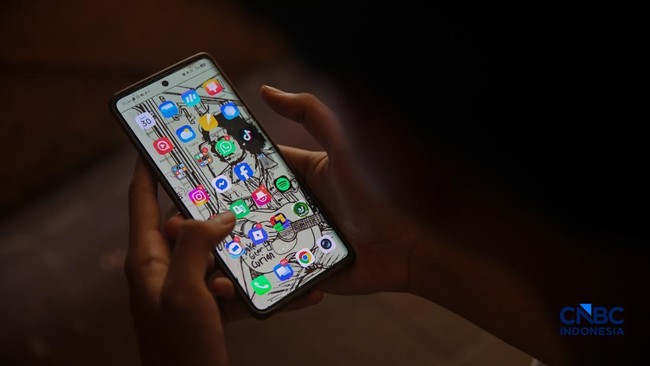
Many countries are considering banning social media access for children under 16 years old. Indonesia has already introduced such restrictions in the PP Tunas regulation announced in March 2025, with enforcement beginning on 28 March 2026.
Meanwhile, Australia became the first country to explicitly ban social media access for children under 16 starting in December 2025. The question is, is this regulation effective?
The Molly Rose Foundation, a charity organisation focused on preventing online harms, recently published a survey of 1,050 Australian children aged 12-15 conducted in March 2026.
The study showed that 61% of children aged 12-15 who previously had access to targeted social media platforms still have one or more active accounts.
Australia began enforcing the social media ban for minors on 10 December 2025. Although only a few months have passed since the ban took effect, the Molly Rose poll concludes that the ban has no clear positive or negative impact on children’s well-being.
The study also noted that 70% of children admitted to easily circumventing access to restricted platforms.
“These results raise big questions about the effectiveness of Australia’s social media ban and show that it would be a big gamble for the UK to follow suit at this time,” said Andy Burrows, CEO of the Molly Rose Foundation, in a statement quoted from Engadget on Tuesday (14/4/2026).
The Australian government also released its own findings in March 2026, examining how social media platforms comply with the ban. According to the government report, Snap, TikTok, Facebook, Instagram, and YouTube are currently under investigation for potential non-compliance.
The report adds that the eSafety Australia body is completing these investigations and will make decisions on enforcement in mid-2026. According to the eSafety report, the body’s enforcement powers include issuing infringement notices, seeking court orders, and civil penalties up to A$49.5 million or equivalent to Rp601 billion.