
Attorney General's Office Responds to Claims of Legal Flaws in Febrie Case Transfer
The Attorney General’s Office (Kejagung) has responded to claims that the handover of the corruption case implicating former Deputy Attorney General for Special Crimes (Jampidsus) Febrie Adriansyah from the police was legally flawed.
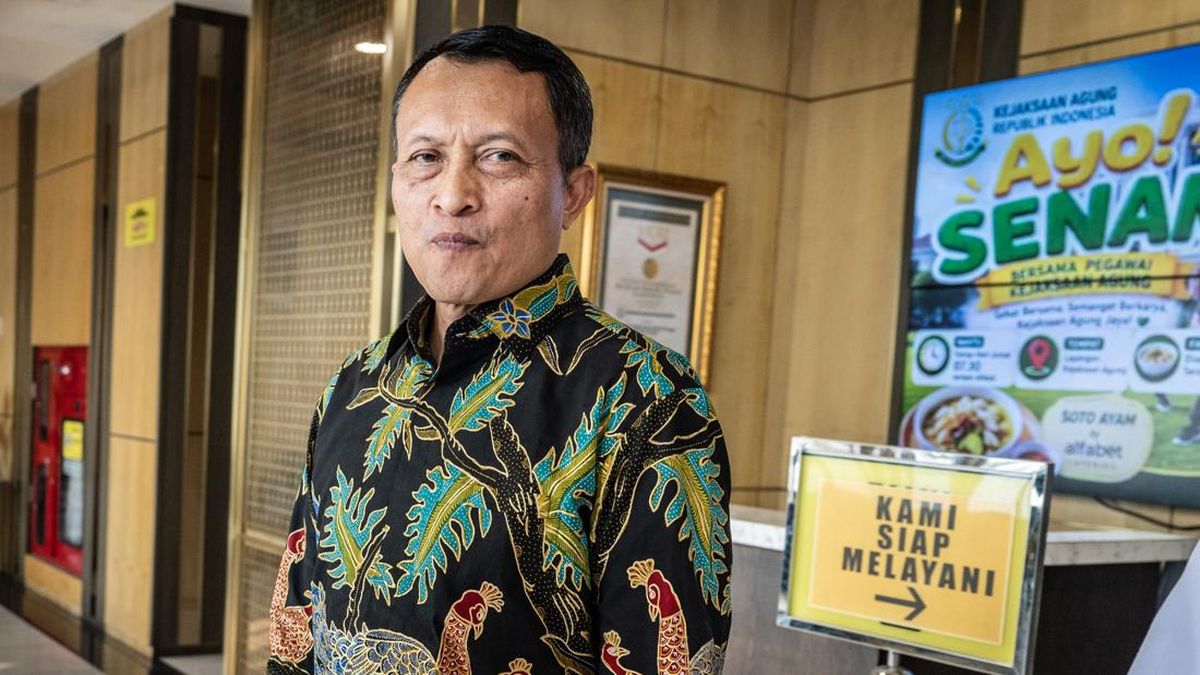
Rudi Margono, Deputy Attorney General for Supervision (Jamwas) at Kejagung, affirmed that the transfer of the case was carried out in accordance with procedures and applicable legal provisions.
Rudi explained that one of the cases linked to Febrie was the alleged corruption case at PT Asabri. According to him, that case had previously also been received by Kejagung investigators from the police for further processing.
At the time, Rudi said, he himself was the one who received the transfer of the case from the Jakarta Metropolitan Police (Polda Metro Jaya).
“Many experts have claimed that the handover had no legal basis. In fact, the Attorney General’s Office, as investigator, once received the handover of the Asabri case. You’ve heard of it, haven’t you? Coincidentally, I was the one who received it at the time as coordinator at the Special Crimes unit (Pidsus),” Rudi said at a press conference at the Kejagung office on Friday (24/7).
The case in question refers to the alleged corruption at PT Asabri in late 2020. Kejagung subsequently opened an investigation and later named a number of suspects, including Adam Damiri, Sonny Widjaja, Benny Tjokrosaputro and Heru Hidayat.
Rudi explained that the case transfer would in fact provide certainty in the handling of the corruption and money laundering (TPPU) case implicating Febrie.
“Since the investigators at the prosecutor’s office also serve as the pre-prosecution authority, if the case is handed to the pre-prosecution institution, namely the prosecutor’s office, which also happens to be the investigator, hopefully it will not go back and forth in future,” Rudi said.
“Those are the legal reasons why the handling of the case by investigators at Jampidsus is highly arguable and legally acceptable,” he added.