
Attorney General's Office Records Rp 131.5 T in State Funds Recovered from Corruption Since 2020
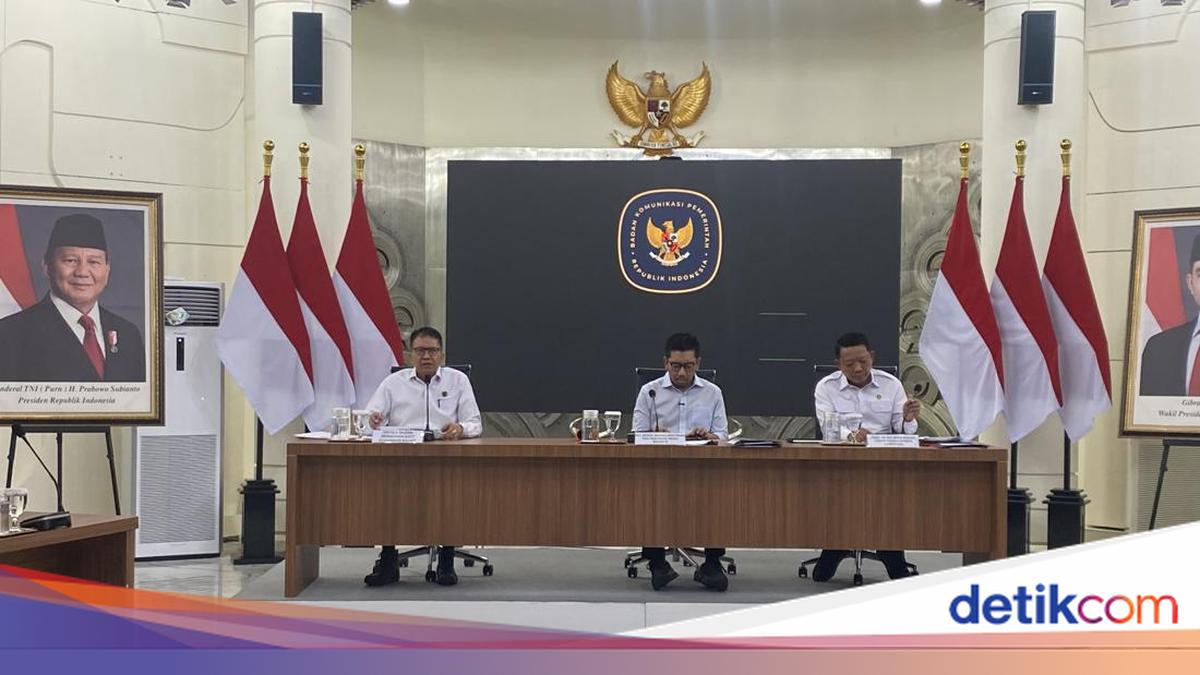
The Attorney General’s Office (Kejagung) has detailed its achievements in recovering state finances and state revenues for the 2020-2026 period. Kejagung stated that Rp 131.5 trillion in state losses from corruption cases have been recovered. “The total amount of state financial losses recovered through the special criminal route in the period from 2020 to 2026, based on court decisions that have permanent legal force or are inkrah, is Rp 131,527,786,065,164,” said the Junior Attorney General for Special Crimes at the Attorney General’s Office, Febrie Adriansyah, during a press conference at the Office of the Government Communication Agency of the Republic of Indonesia in Jakarta on Wednesday (24/6/2026). Febrie then explained the amount recovered year by year. The details are as follows: Rp 8.3 trillion in 2020, Rp 22.6 trillion in 2021, Rp 6.3 trillion in 2022, Rp 24.4 trillion in 2023, Rp 4.6 trillion in 2024, Rp 24.5 trillion in 2025, and Rp 40.5 trillion in 2026 (ongoing). Febrie explained that the recovered state losses are handed over directly to the Asset Recovery Agency (BPA). He noted a change in strategy to maximise the recovery of state losses. “So, the Prosecutor’s Office of the Republic of Indonesia, in handling corruption cases, has managed to recover Rp 131.5 trillion as explained earlier. This is due to a strategy or paradigm shift in the case handling process or the priorities handled by investigators in the Special Crimes Division,” he said. Febrie also mentioned that his office is handling several cases with very large state financial losses, including a tin trading governance corruption case with losses of Rp 300 trillion, a crude oil management corruption case with losses reportedly reaching Rp 285 trillion, and a corruption case involving the management of PT ASABRI funds (2012-2019 period) with losses of Rp 22.7 trillion. “Corruption eradication must be focused and directed at cases concerning the livelihoods of the people and the interests of the state or government programmes,” he concluded.