
Attorney General's Office Investigates 10 Palm Oil Companies Accused of Export Manipulation by Finance Minister
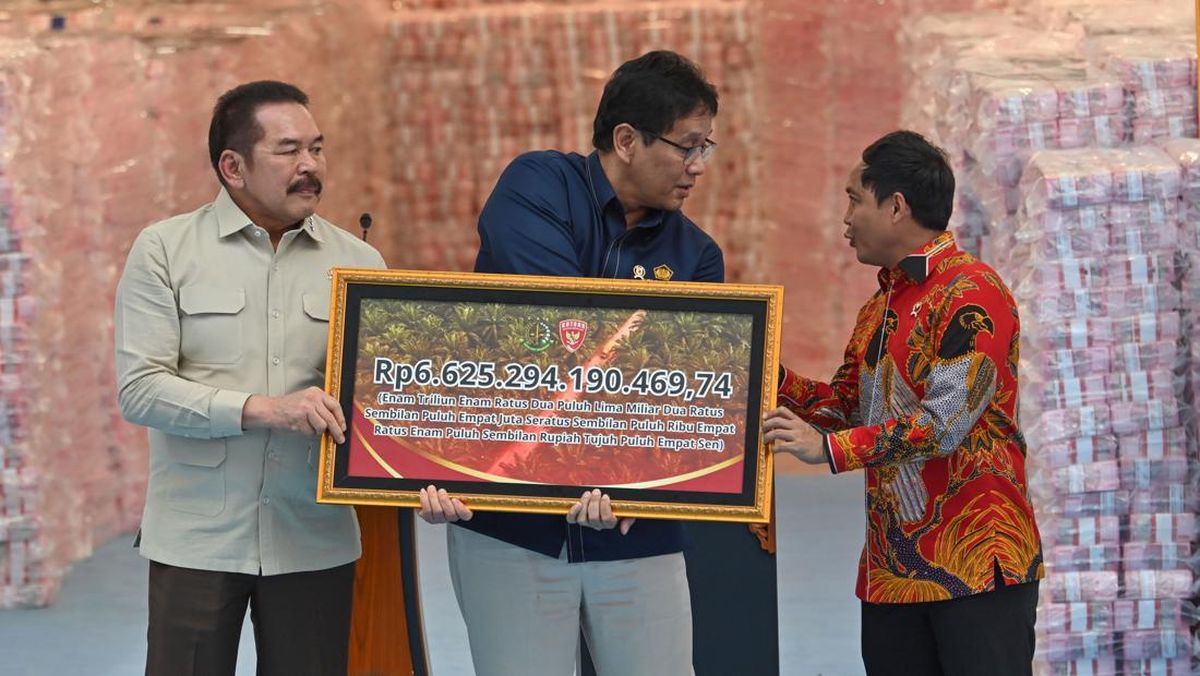
The Attorney General’s Office (Kejagung) has begun investigating 10 palm oil companies accused by Finance Minister Purbaya Yudhi Sadewa of manipulating export prices or engaging in transfer pricing. Syarief Sulaeman Nahdi, Director of Investigations at the Attorney General’s Office for Special Criminal Cases, stated that the case involving the 10 palm oil companies is currently under general investigation. ‘We are currently conducting an investigation into the price manipulation or transfer pricing case,’ he told reporters on Tuesday (26 May). Syarief added that the data provided by Purbaya would complement existing records of rogue companies held by the Prosecutor’s Corps (Korps Adhyaksa). ‘This data, received from the Minister about a month ago, supplements our existing information,’ he concluded. Previously, Purbaya stated that the government had gathered data on 10 major palm oil companies suspected of manipulating export values or under-invoicing in crude palm oil (CPO) trade. He said the findings came from random sampling of the largest palm oil exporters in the sector. ‘I selected the top 10. All of them are doing it. So it’s safe to say they all are. I just randomly picked them,’ Purbaya said at the parliamentary complex in Central Jakarta on Monday (25 May). He noted that the data submitted to law enforcement authorities so far is only a small sample of the inspections. However, he believes the potential financial loss could be significantly higher. ‘From just this sample given to the Corruption Eradication Commission (KPK), if we examine all transactions, the loss would certainly be higher, as I only took a small sample,’ he said. The State Treasurer also confirmed that the suspected loss from the examined sample amounts to approximately US$84 million. He stated that this figure is based on a small government inspection sample of export transactions. He assessed that the figure could be much higher if similar practices are found across all transactions of the involved companies. ‘If all, yes. Roughly. That’s just a sample. The sample size was small. If randomly checked, the 10 companies were doing it, so the loss could be higher than US$84 million,’ he said.