
Attorney General's Office Does Not Seize Electric Motorcycles in BGN Case Despite Markups, Explains Reason
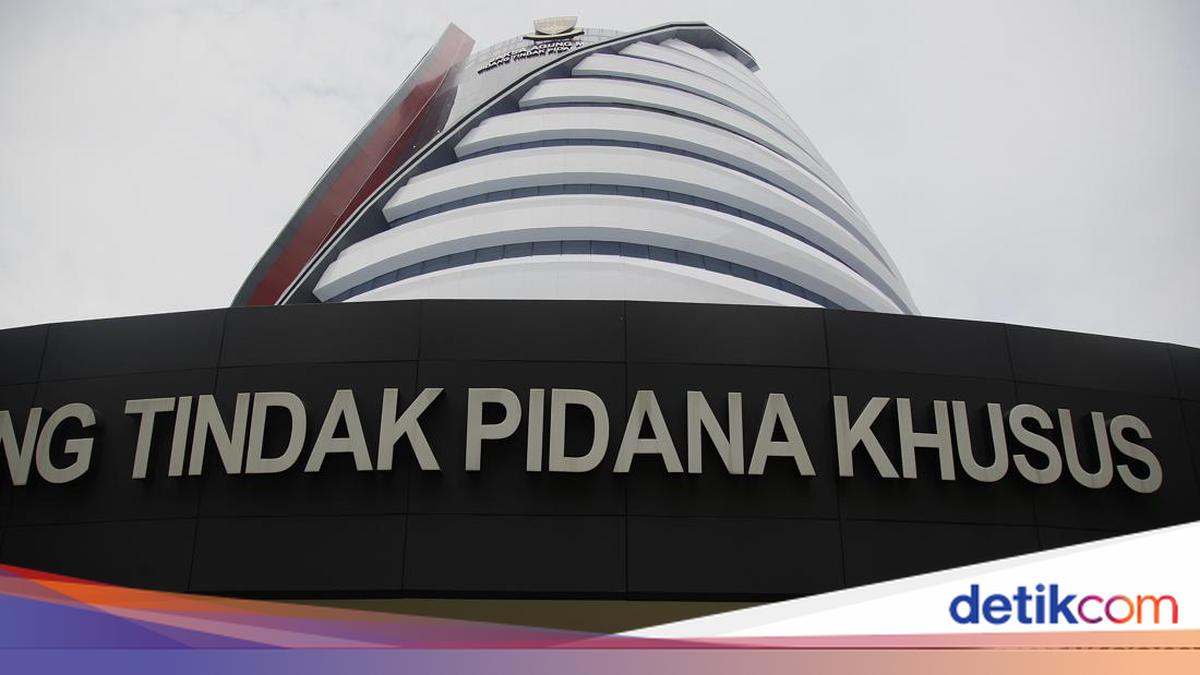
The Attorney General’s Office (Kejagung) has stated that it will not seize electric motorcycles involved in the BGN case, despite evidence of price markups, because the goods have already been distributed to various regions. Syarief Sulaeman Nahdi, Director of Investigation at the Jampidsus division of Kejagung, confirmed to reporters on Thursday (4/6/202<0xA0>6) that while price markups occurred, the exact value is still being audited.
Syarief emphasised that the search for evidence is ongoing, with investigative teams currently conducting searches at several locations. “The searches are still underway; the results will be announced later,” he concluded.
Previously, the Attorney General’s Office reported that the former Head of BGN, Dadan Hindayana, along with two former deputies, Sony Sanjaya and Lodewyk Pusung, allegedly intervened in the procurement of goods for the Free Nutritious Meal (MBG) programme. This included a project for the procurement of electric motorcycles worth approximately Rp 1 trillion, which was awarded to a vendor that failed to meet the necessary requirements.
According to Jeffry, the procurement involved 21,801 electric motorcycle units with a total value of Rp 1,035,515,297,908.02. The payment was made to PT YAT, a vendor deemed unqualified as it lacked active dealerships or workshops, and the project involved price markups. Jeffry explained that the suspects allegedly pressured the Commitment Making Officer (PPK) during the preparation of the Terms of Reference (KAK). Consequently, the procurement did not align with actual field requirements, leading to state financial losses.
In addition to the electric motorcycles, the Attorney General’s Office discovered detailed markups in several other procurement items that do not directly support the operations of the MBG programme. These include the procurement of 32,000 pairs of shoes, 31,994 tablets, and 5,400 units of 75-inch televisions, all of which were allegedly non-compliant with regulations and subject to price inflation.