
Attorney General's Office Clarifies Circular on Halting Free Nutritious Meal Data Collection
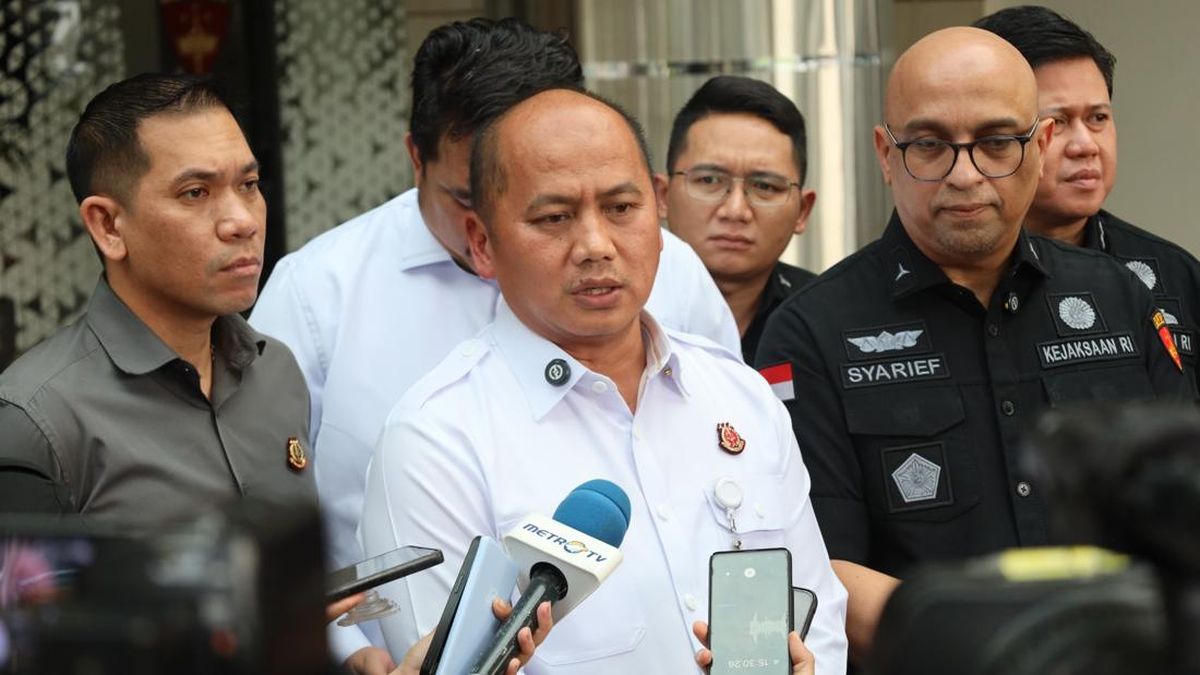
The Attorney General’s Office (Kejagung) has issued a circular ordering the cessation of data and information collection activities regarding the implementation of the Free Nutritious Meal (MBG) programme. Head of the AGO Legal Information Centre, Anang Supriatna, stated that the letter was issued because the deadline for data collection had passed and to prevent its misuse. “It is true, the letter was issued because the time limit for data collection has been completed and the letter was issued so that it is not misused in its implementation,” Anang said in Jakarta on Monday (13/7).
The order is contained in Letter Number B-3256/F.2/Fd.2/07/2026, issued on Friday (10/7) and signed by the Director of Investigation of the Junior Attorney General for Special Crimes (Jampidsus), Syarief Sulaeman Nahdi. The letter explained that Jampidsus had previously issued Letter Number B-2668/F.2/Fd.2/06/2026 dated 15 June 2026, which instructed all heads of high prosecutor’s offices to inventory and report various problems in the implementation of the MBG programme.
Following the Attorney General’s disposition regarding media reports on data and information collection activities at Nutritional Service Fulfilment Units (SPPG) in Central Java, all heads of high prosecutor’s offices were then asked to stop these activities in their respective jurisdictions. Previously, a letter circulated allegedly from the Head of the Internal Security Sub-Directorate of the Central Java Police’s Professional and Security Division regarding alleged inspections of SPPG managers by the prosecutor’s office. The letter stated that several police personnel who manage SPPGs were asked not to comply with the prosecutor’s summons without a valid assistance procedure.
Responding to this, the Central Java High Prosecutor’s Office emphasised that it did not conduct any searches, examinations, or sting operations against SPPG managers in the region. Head of Legal Information for the Central Java High Prosecutor’s Office, Arfan Triono, said that all district prosecutor’s offices in Central Java were merely carrying out direct data and information collection at SPPG points. According to Arfan, the activity was purely data collection and information gathering, prioritising a professional, persuasive approach in accordance with legal provisions. He explained that if SPPG managers were willing to provide data or information, it would be recorded. Conversely, if they were unwilling to provide information, that condition would also be noted as part of the data collection results without any coercive action.