
Attorney General's Office: 30 Per Cent of Seized Assets Fail to Sell at Auction
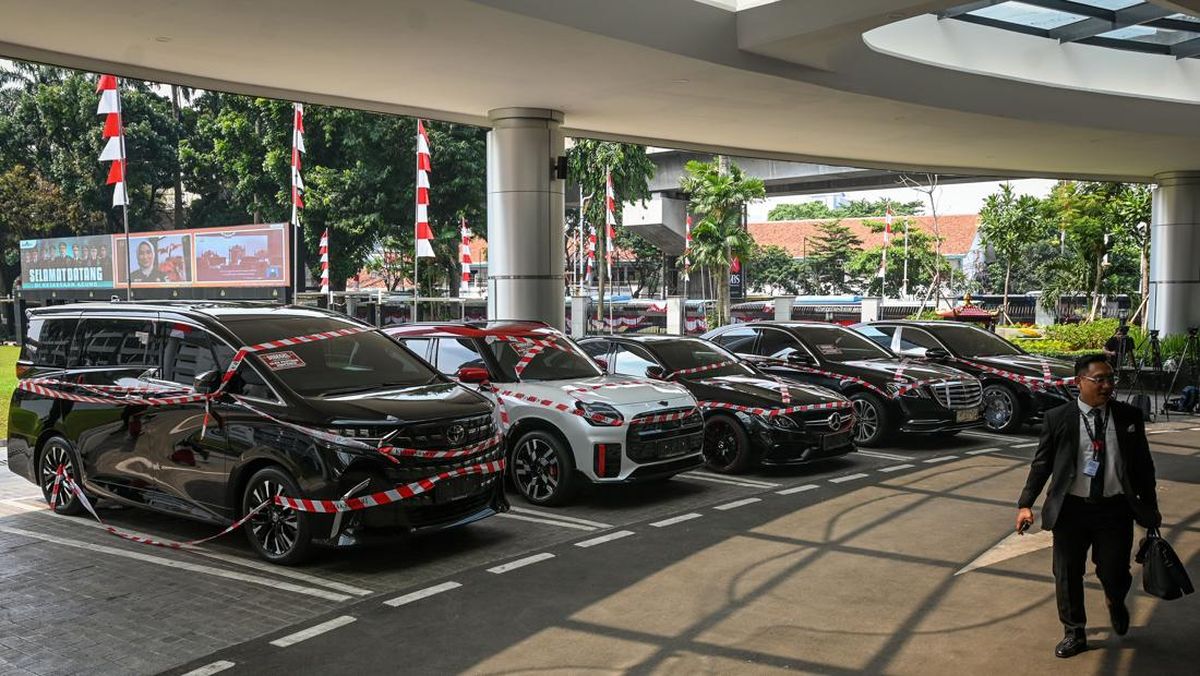
The Asset Recovery Agency (BPA) of the Attorney General’s Office has revealed several obstacles in recovering assets from corruption crimes over the three years since the agency’s formation.
The Head of the BPA, Patris Yusrian Jaya, stated that one of the primary hurdles in the asset recovery process lies in the auction process. According to him, 30 per cent of seized assets fail to sell at auction because their selling price is identical to the current market price.
In reality, bidders generally expect auction assets to be available at a price lower than the market rate. “For buyers, one of the expectations from these auctions is that the prices are cheaper. As a result, during the auction, an average of 30 per cent of the items offered receive no bidders,” Patris said during a meeting with Commission III of the House of Representatives on Tuesday (8/9).
Furthermore, the agency is facing difficulties regarding the maintenance of assets. This is because seized goods can only be appraised and priced for auction after a three-month period.
“Consequently, the state incurs management and maintenance costs, and even when a second auction is held with a reduced limit, there is no guarantee of a sale. This leads to an accumulation of assets that cannot yet be auctioned,” Patris explained.
Despite these challenges, Patris revealed an increase in the value of recovered assets returned to the state in the last three months. Starting from 2024, the value stood at Rp1.439 trillion, rising in 2025 to Rp19.654 trillion.
As of September 2029, the value of assets returned to the state treasury amounted to Rp4.947 trillion. From that total, 21,737 assets have been auctioned.
On the other hand, Patris added that there is currently a difference in perception between his agency and the courts regarding the determination of seized goods. As a result, the execution of asset seizures is often delayed.
“There is still a difference in perception in the field with our colleagues in the courts regarding the determination of the status of found goods, which causes execution to sometimes be delayed or even remain unresolved,” Patris said.