
Attorney General Reveals Evaluation of KUHP-KUHAP Implementation
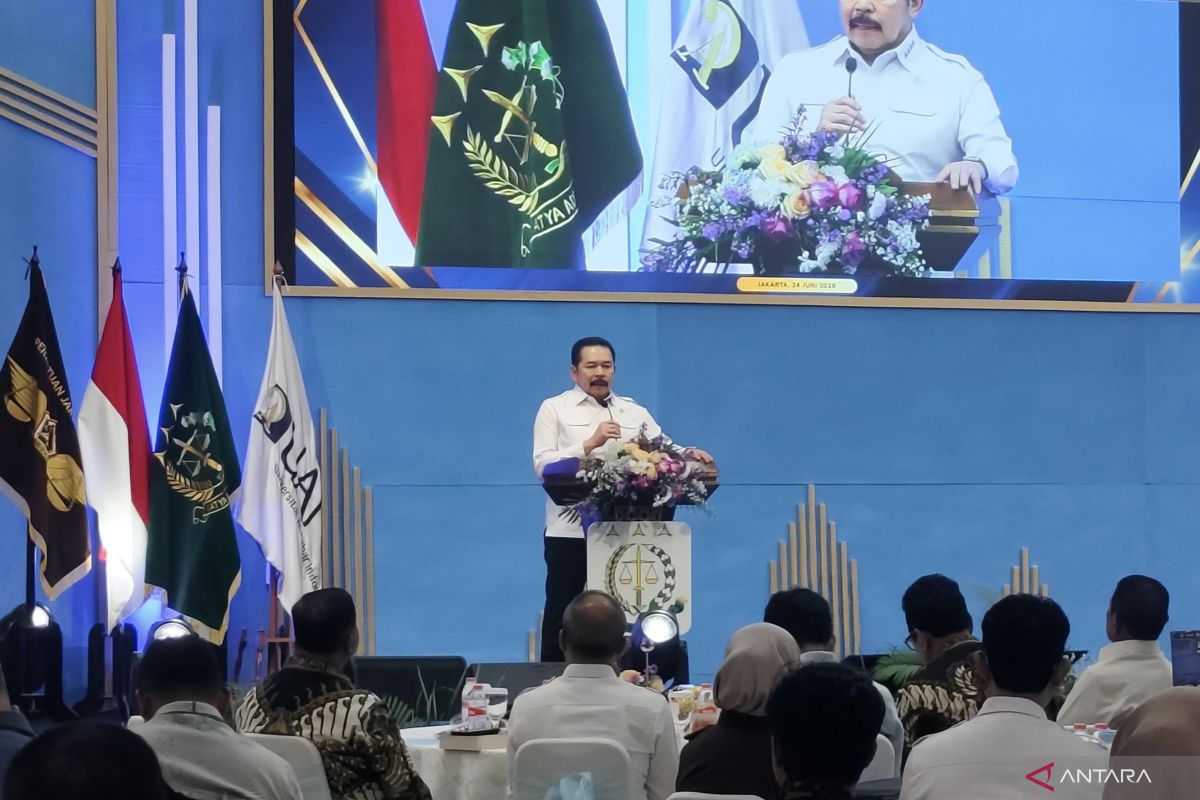
Jakarta (ANTARA) - Attorney General ST Burhanuddin has revealed an evaluation of the implementation of the Criminal Code (KUHP) and the Criminal Procedure Code (KUHAP) within the Indonesian Attorney General’s Office over the past six months. Speaking at a National Seminar reflecting on six months of KUHP and KUHAP implementation and a book review in Jakarta on Wednesday, he stated that the enactment of the codes since the beginning of the year has presented challenges that require serious attention. The first challenge is the absence of implementing regulations. “An evaluation by the Junior Attorney General for General Crimes (Jampidum) shows that the implementation of the new KUHAP is still hindered because several provisions, such as the restorative justice mechanism and the integrated criminal justice system based on IT, require further regulation through government regulations,” he said. The Attorney General’s Office, he noted, has prepared internal technical guidelines and continues to push for the acceleration of regulatory issuance. The next challenge is the differing interpretations among law enforcement officers regarding the authority to apply alternative punishments and the uniformity of national practices. If not harmonised, he added, this could potentially create legal uncertainty and harm the public. “The enactment of the KUHP as the axis of criminal law demands regulatory harmonisation, inter-agency synergy, as well as strengthening the technical capacity and legal culture of prosecutors so that authority is exercised professionally, accountably, fairly, and substantively,” he explained. Nevertheless, the leader of the Adhyaksa Corps emphasised that these challenges are not weaknesses, but rather evidence of maturity and a sense of responsibility in facing change. “Because every meaningful transformation always begins with an acknowledgment of the problems, followed by continuous improvement efforts,” he said.