
Attention to Health Issues in Papua: Deputy Interior Minister Urges Programme Alignment
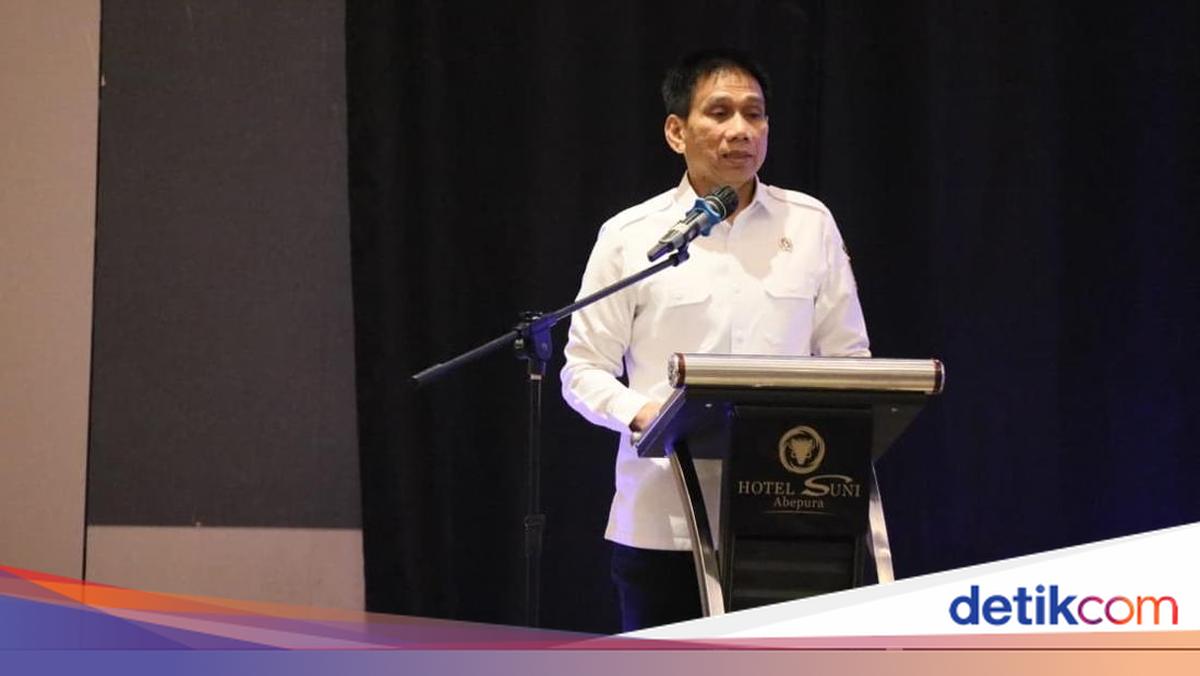
Deputy Interior Minister (Wamendagri) Akhmad Wiyagus has stressed that the government is providing serious attention to health management in Papua, particularly AIDS, tuberculosis, malaria (ATM), and leprosy. Efforts to address these issues require alignment of programmes between the central and regional governments.
“We know that these health problems are the government’s mandatory responsibilities and are directly tied to basic services,” Wiyagus stated in his remarks on Tuesday (28/4/2026).
He made these comments at the Technical Coordination Meeting to Accelerate the Elimination of AIDS, Tuberculosis, Malaria, and Leprosy in Papua, held at the Suni Abepura Hotel in Jayapura Regency, Papua, on Tuesday (28/4).
He emphasised that local governments (Pemda) must prioritise health matters in their programmes. Furthermore, strengthening human resources (SDM) is one of the government’s focuses as outlined in the Asta Cita.
Wiyagus also stated that the central government is seriously addressing the health of Papua’s population. In addition to budget support, the government has formed a special team through the Ministry of Health (Kemenkes) to handle ATM and leprosy, which are key health issues in Papua.
“This is a large team brought here to assure all the people of Papua that the central government is very serious about addressing health matters,” he explained.
He outlined various tasks that local governments need to address in handling ATM and leprosy. Local governments, he said, are responsible for coordinating all elimination activities for ATM and leprosy, providing funding, actively and promptly detecting cases, providing treatment and prevention, and mitigating psychosocial and economic impacts on patients.
Furthermore, Wiyagus affirmed that Papua plays a strategic role in supporting national development. Therefore, the various health challenges still faced by Papua’s people must be addressed immediately.
“All parties must be involved [with a] pentahelix approach: central government, local government, academics, and all NGOs must also participate,” he said.
On the other hand, he also explained the importance of educating the public that ATM and leprosy are diseases that need proper handling. This can be achieved by involving traditional leaders who play an important role in Papua’s social life.
“The key is early handling, addressed specifically and educationally, so that the public can easily understand,” he clarified.