
ATSI highlights major challenges if MNP is implemented in Indonesia
The Indonesian Telecommunications Providers Association (ATSI) has stated that the implementation of Mobile Number Portability (MNP)—allowing users to switch operators while keeping their numbers—would require a major change to Indonesia’s telecommunications architecture.
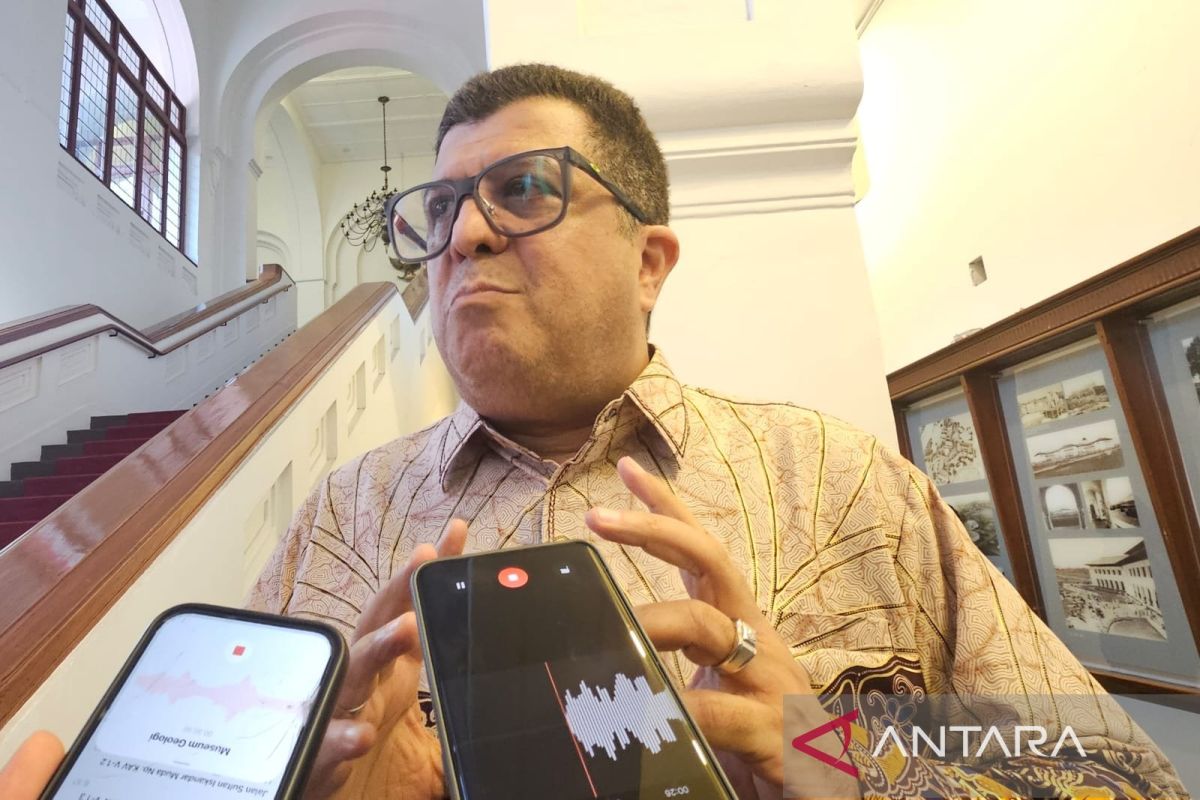
Speaking in Bandung on Sunday, ATSI Chairman Marwan O. Baasir noted that these changes would encompass technology, investment, regulation, infrastructure, and public socialisation. “The architecture will indeed change; it will not be like it is now. The changes are significant, involving technology, investment, regulation, public socialisation, and taxation. We must prepare the infrastructure first, and that requires time. It cannot be done in just one year,” said Mardo.
Marwan explained that implementing MNP is challenging because Indonesia’s current numbering system differs from countries that have already adopted the service. Currently, Indonesia maintains two distinct numbering structures that differentiate fixed-line (PSTN) networks from mobile networks.
In contrast, countries such as Australia have implemented numbering systems that allow customers to retain their numbers when moving from one telecommunications provider to another. According to Marwan, such numbering management is handled centrally by the regulator, ensuring that service transfers do not require customers to change their phone numbers. “In Australia, those numbers are taxed. The more ‘beautiful’ the number, the higher the tax,” he added.
Marwan stated that if the Constitutional Court grants the petition regarding MNP implementation in Indonesia, the government will need to prepare a centralised regulatory mechanism to manage the transfer of customer numbers between providers. He cited Australia as an example, noting it required a preparation period of approximately three to four years before the MNP system could be operational and accessible to the public.
He further suggested that implementing MNP in Indonesia could potentially take even longer due to the hundreds of millions of mobile service users in the country.
Previously, a citizen named Bisyron Wahyudi filed a judicial review against several articles in Law Number 36 of 1999 on Telecommunications, which was amended by Law Number 6 of 2023 (the Job Creation Law). The review targets Articles 10, 14, 17, 23 (paragraphs 1 and 2), and 25, arguing that they fail to provide legal certainty for the implementation of MNP in Indonesia.
The petitioner argued that the current situation imposes costs and various adjustments on users who must change numbers, including updating accounts, contacting contacts, altering business materials, updating One-Time Passwords (OTP), and facing the risk of losing access. He also noted that mobile numbers now serve as digital identities, used for authentication, account recovery, and access to financial, commercial, and communication services.
Meanwhile, the Minister of Communication and Digital, Meutya Hafid, stated that the Ministry is closely monitoring the judicial review process regarding telecommunications services currently underway in the Constitutional Court. “Regarding matters related to telecommunications services being challenged in the MK (Constitutional Court), we are certainly following closely, and as we have done previously, Komdigi is ready to comply and implement,” Meutya said at the Ministry’s office in Central Jakarta on Monday.
Source: jawawa.id (https://jawawa.id/newsitem/atsi-highlights-major-challenges-if-mnp-is-implemented-in-indonesia-1790535091)
Originally published by Antara (Indonesian) (https://www.antaranews.com/berita/5760959/atsi-ungkap-tantangan-besar-jika-mnp-diterapkan-di-indonesia), translated from Indonesian