
ATSI evaluates 2G shutdown amid millions of active users
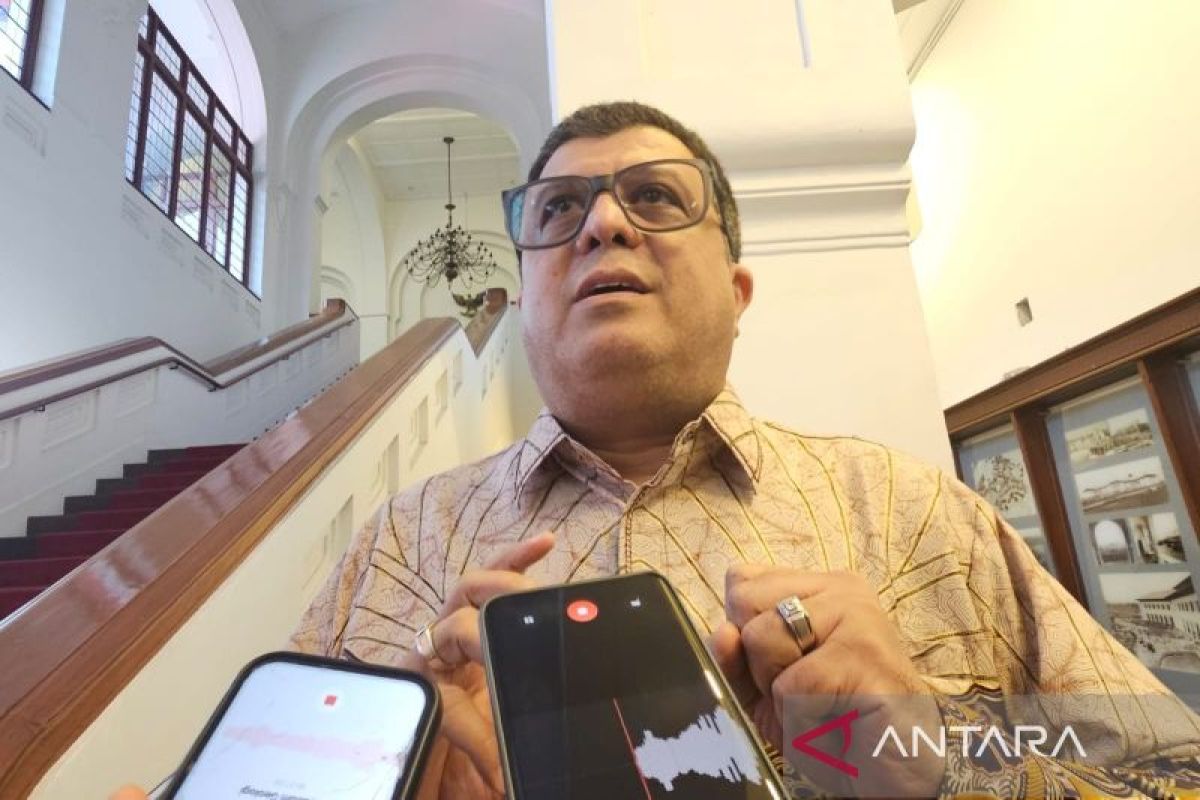
The Indonesian Telecommunications Providers Association (ATSI) is currently studying plans to phase out 2G networks in Indonesia as part of an effort to accelerate digital transformation.
ATSI Chairman Marwan O. Baasir, speaking in Bandung on Sunday, stated that the plan is still in the early stages of discussion with the government, as a portion of the population still relies on 2G networks for voice calls and SMS services.
“We are still in the early stages of discussion with the government. Since we are aiming to accelerate the digital ecosystem, we must certainly begin preparing ourselves. We are looking into when this will happen and what incentive programmes will be implemented,” said Marwan.
According to him, the shutdown of the 2G network aims to allow the frequency spectrum in the 900 MHz band, currently used for 2G services, to be reallocated to support technologies more suited to digital developments, such as 4G and 5G.
Marwan noted that based on biometric-based SIM card registration data conducted from early 2026 to August 2026, which has reached 297 million, the number of users still relying on 2G networks is estimated to be around 29 million.
In addition to the number of users, Indonesia’s geographical conditions are also a consideration in the study regarding the 2G shutdown.
“Eastern Indonesia may be challenging for us because there are still many feature phone users,” he said.
ATSI is also monitoring the development of 2G shutdown policies in several other countries to serve as a comparison for its study and policy preparation.
According to Marwan, if the 2G shutdown is ultimately decided, the government needs to provide support through regulation and incentives to ensure the technological transition proceeds smoothly.
One form of support, he noted, could involve regulating the circulation of devices that only support 2G networks once the shutdown policy has been announced.
On the other hand, it is hoped that devices supporting 4G LTE and 5G digital services will become increasingly available in the market at affordable prices, so that the public can transition without facing excessive financial burdens.