
At 50 Years of HIPPI, Indonesian Entrepreneurs Urged Not to Be Spectators in Their Own Country
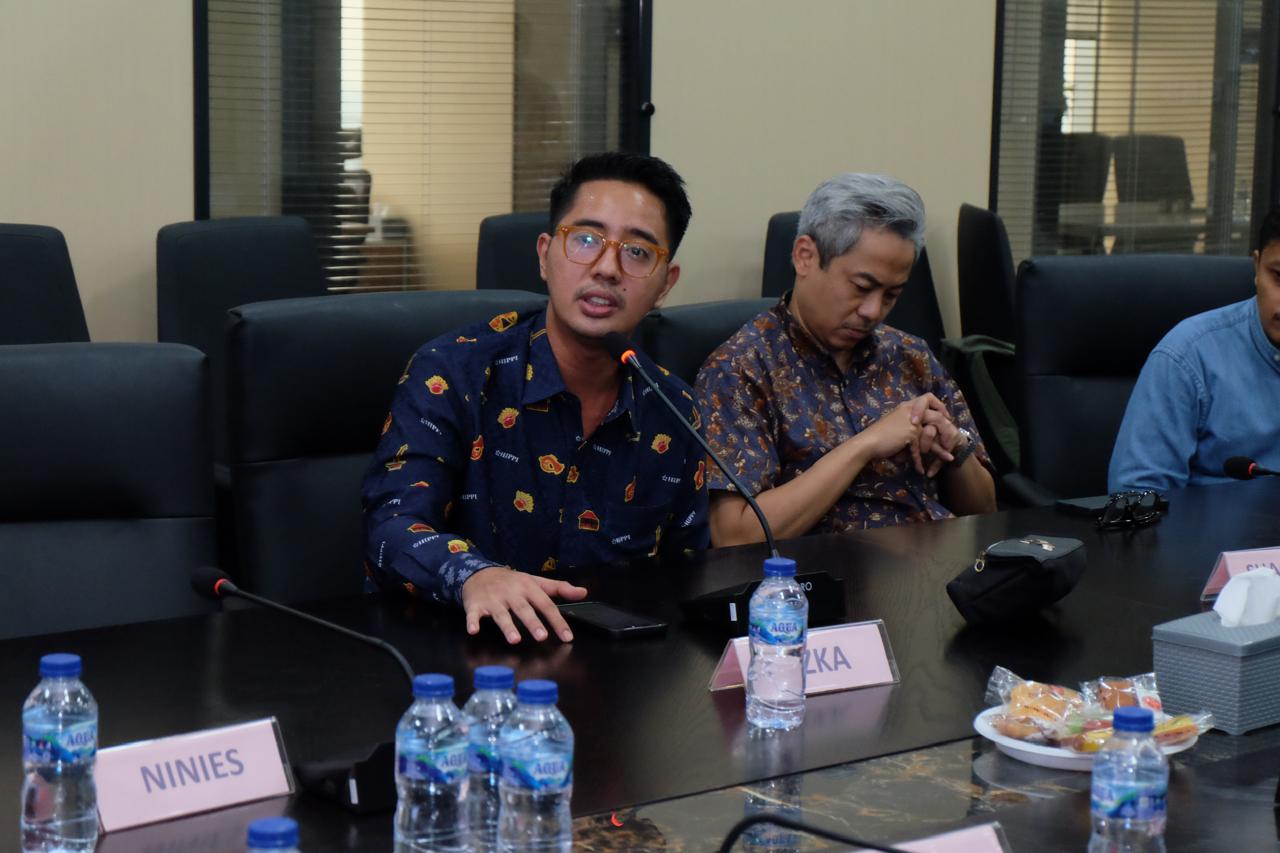
Entering its 50th year, the Indonesian Indigenous Entrepreneurs Association (HIPPI) is seen as needing to make this half-century milestone a moment of reflection on the position of indigenous entrepreneurs within the national economic structure. Chairman of HIPPI South Jakarta, Azka Aufary Ramli, said that the struggle of indigenous entrepreneurs today faces different challenges compared to when HIPPI was founded on 17 August 1976.
If the first five decades were largely about the existence of and opportunities for indigenous entrepreneurs, according to Azka, the next five decades must be directed towards improving competitiveness, mastering the value chain, regenerating entrepreneurs, and the ability to become key players in the national economy.
“Fifty years of HIPPI is not merely a moment to look back at history. We need to ask: after 50 years, how far have indigenous entrepreneurs become key players in the Indonesian economy?” Azka stated today.
Azka believes Indonesia actually has a very large entrepreneurial base. However, the main challenge is not just increasing the number of entrepreneurs, but ensuring that more micro and small enterprises are able to move up to become medium-sized businesses, develop into industries, create national brands, master technology, and enter the supply chains of large companies.
Amid the surge of investment, digitalisation and global competition, Azka reminded that Indonesia must not become merely a market for products, technology, capital and companies from abroad. Foreign investment is still needed to create growth, technology transfer and employment. However, such investment must be able to create a multiplier effect for national entrepreneurs.
“We are open to global investment and collaboration. But the question is, how many Indonesian entrepreneurs are entering its supply chains? How much technology do we master? How many local companies have grown into major players?” Azka asserted.
According to him, the spirit of a national economy does not mean closing Indonesia off from the world, but rather ensuring that economic openness also enlarges the capacity of national entrepreneurs.
Azka also believes the term ‘indigenous entrepreneur’ needs to be placed in a modern Indonesian context in an inclusive and progressive manner.
This spirit is not about building barriers based on ethnicity, race or background, but about favouring national economic independence, strengthening local entrepreneurs, equalising business opportunities and increasing ownership of productive assets by the Indonesian people.
“The meaning of ‘indigenous’ today is not about who should be excluded, but who needs to be strengthened. More and more of the nation’s children must be able to own companies, brands, technology, distribution networks and productive assets in their own country,” he stressed.
Therefore, according to Azka, favouring national entrepreneurs must not stop at protection. Entrepreneurs must also dare to improve professionalism, governance, productivity, innovation and the quality of human resources.
Entering the next five decades, HIPPI needs to take a greater role in bridging MSMEs with large companies, entrepreneurs with financing, universities with industry, government with the business world, and Indonesian entrepreneurs with international markets.
Azka believes entrepreneur development programmes also need to be increasingly directed towards high value-added sectors, from manufacturing, technology, energy, the digital economy, creative industries and professional services to new economic sectors.
“We should not be proud merely because we have millions of MSMEs. We should be proud when more and more MSMEs move up a class, become medium-sized companies, enter industry, export, create innovation and open quality employment.”
For HIPPI South Jakarta, the journey towards HIPPI’s centenary must be built on three main agendas: regeneration, collaboration and moving up a class.
The new generation of Indonesian entrepreneurs must be prepared not only to become traders or technology users, but to become industrialists, innovators, investors and job creators with the ability to compete regionally and globally.
“The founding generation of HIPPI fought for space for indigenous entrepreneurs. Our generation’s task is to turn that space into capacity, competitiveness and real economic strength.”
Azka stressed that the measure of HIPPI’s future success is not merely the size of the organisation, but how great its contribution is to producing Indonesian entrepreneurs who are increasingly strong and sustainable.
“The first fifty years were a struggle to build existence. The next fifty years must be a struggle to build competitiveness. Indonesian entrepreneurs must not be mere spectators in their own country. We must become players, owners of innovation, creators of jobs and a major part of Indonesia’s economic strength,” Azka concluded.
Source: jawawa.id (https://jawawa.id/newsitem/at-50-years-of-hippi-indonesian-entrepreneurs-urged-not-to-be-spectators-in-their-own-country-1787327447)
Originally published by Media Indonesia (https://mediaindonesia.com/ekonomi/924587/50-tahun-hippi-pengusaha-indonesia-diminta-jangan-jadi-penonton-di-negeri-sendiri), translated from Indonesian