
Astra Says Adoption of Electric Vehicles Still Concentrated in Major Cities
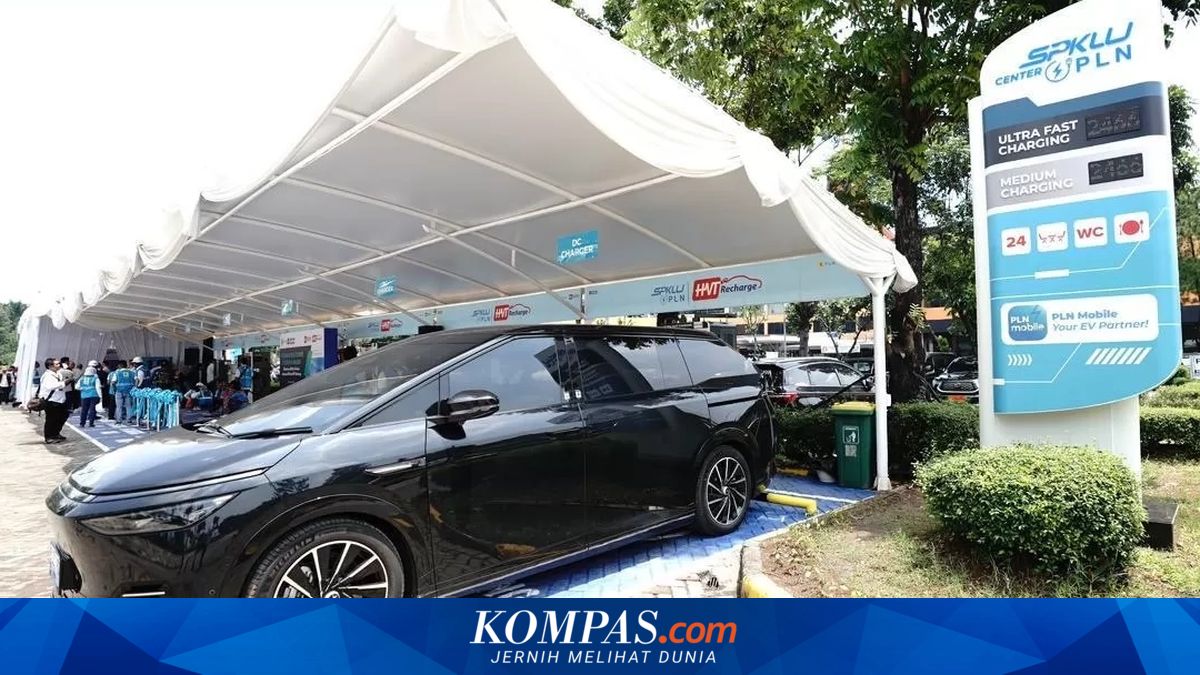
JAKARTA - The map of electrification vehicle adoption in Indonesia is assessed as not moving in a single rhythm. In major cities like Jakarta and its surroundings, battery-based electric cars are increasingly easy to find on the roads.
However, outside major cities, the pace of transition appears to take a different path. Astra’s President Director, Rudy, said that hybrid vehicles are better able to reach areas that are not fully supported by the electric ecosystem.
Electric vehicles, according to him, are still concentrated in certain regions, while hybrids show a wider spread.
In line with that, in urban areas, several factors are assessed to form a relatively more ready environment for electric cars, from the availability of charging infrastructure to the character of consumers who are more open to new technology.
In this context, electric cars are starting to be positioned not only as a means of transportation but also as part of a lifestyle change.
Conversely, outside major cities, consumer considerations tend to be more pragmatic. The availability of facilities, flexibility of use, and affordability aspects become more dominant factors.
In such a situation, hybrid vehicles are often seen as an in-between solution, as reflected in consumer preferences in various areas that are not fully supported by charging infrastructure.
“If in major cities, people are more open to new technology. But in non-major cities, the considerations are usually more towards function and affordability,” said Rudy.
This difference in perspective, according to Astra, shapes an uneven adoption landscape. Electric cars are developing rapidly in certain pockets, while hybrids show a wider spread, especially in areas with infrastructure limitations and diverse mobility needs.
For Astra, this reality confirms that the transition to electrification does not occur in a single path. With Indonesia’s diverse market character, a too uniform approach risks not addressing field needs.
Therefore, the company chooses a multi-technology strategy by presenting various options, from pure electric vehicles, hybrids, to conventional engines.
Amid the strengthening push for electrification, this approach reflects that the transition is not only about technology but also readiness, both from the infrastructure side and consumers.