
ASTRA Infra's 30 Per Cent Toll Rate Discount Strategy and Readiness During Trans-Java Toll Operations
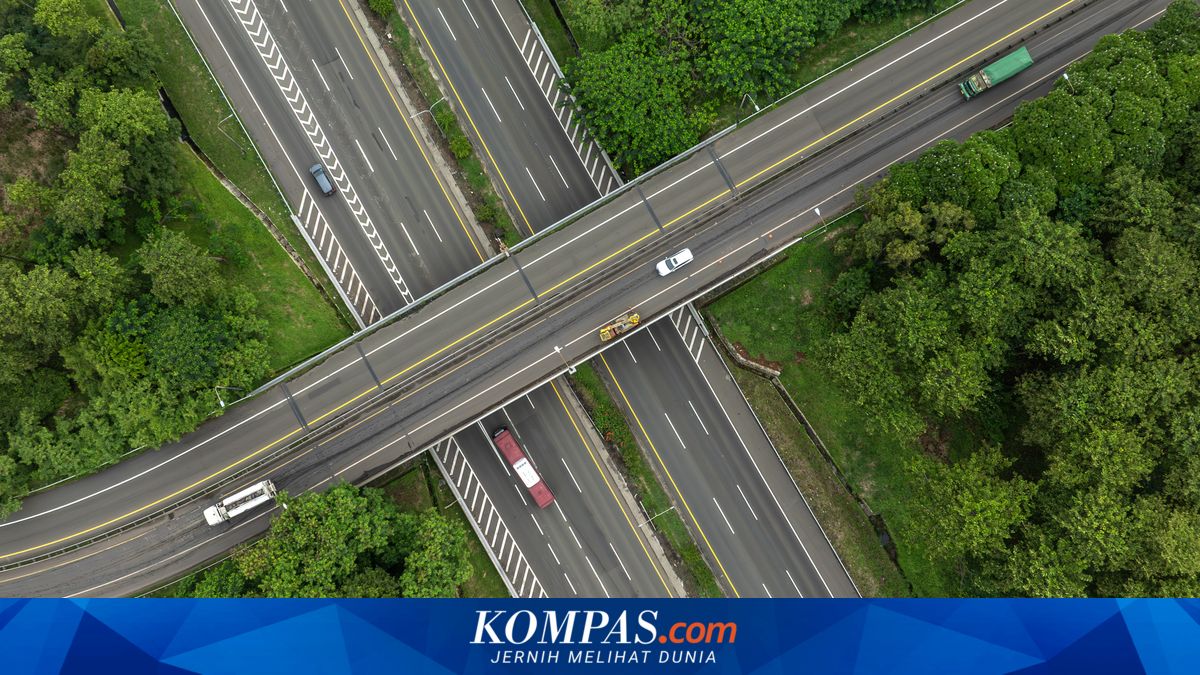
Jakarta — The annual Eid holiday exodus again tests the capacity of the national connectivity network. Latest data as of Friday, 13 March 2026 (H-8 before Eid 1447 H) showed significant increases in traffic volume. On the Tangerang-Merak toll road alone, 173,000 vehicles were recorded, representing a 17 per cent increase compared to the same period last year. These figures serve as an early warning of potential severe congestion if not managed with precision.
One of the most notable steps taken by ASTRA Infra this year is the implementation of a 30 per cent toll rate discount on two key routes. This discount is in effect from Sunday, 15 March 2026 to Monday, 16 March 2026. By offering substantial fare reductions well before peak travel day, the toll operator is indirectly engineering public behaviour. The objective is to distribute traffic load so it does not concentrate on a single catastrophic peak day. However, its effectiveness depends on the flexibility of holiday workers’ leave schedules.
The readiness of personnel trained in Vehicle Accident Rescue and Road Accident Rescue demonstrates that toll operators are shifting their paradigm from merely providing road infrastructure to providing high-level safety services. Collaboration through the Astra Eid 2026 Alert programme at critical points such as KM 66 A Cipali and KM 456 A/B Semarang-Solo is crucial. The presence of medical and rescue teams within toll sections is an implicit acknowledgement that the speed of accident response is key to preventing cascading congestion effects.
The classic mudik problem of queuing at rest area entrances persists. ASTRA Infra is now advising that if rest areas are full, travellers should exit and use facilities outside the nearest toll gate, such as fuel stations and places of worship, before re-entering without incurring additional toll charges. This is a smart solution for reducing bottlenecks on toll road shoulders, though the challenge remains in customer education.
From a regulatory perspective, the presence of officers at the Transportation Ministry’s unified holiday transport command post serves as the eyes and ears monitoring traffic flow 24 hours a day. Intensive monitoring through 30 March 2026 is expected to provide real-time data for rapid decision-making, such as implementing one-way traffic or contraflow measures.