
Association calls on Agriculture Ministry to protect sustainability of tobacco industry
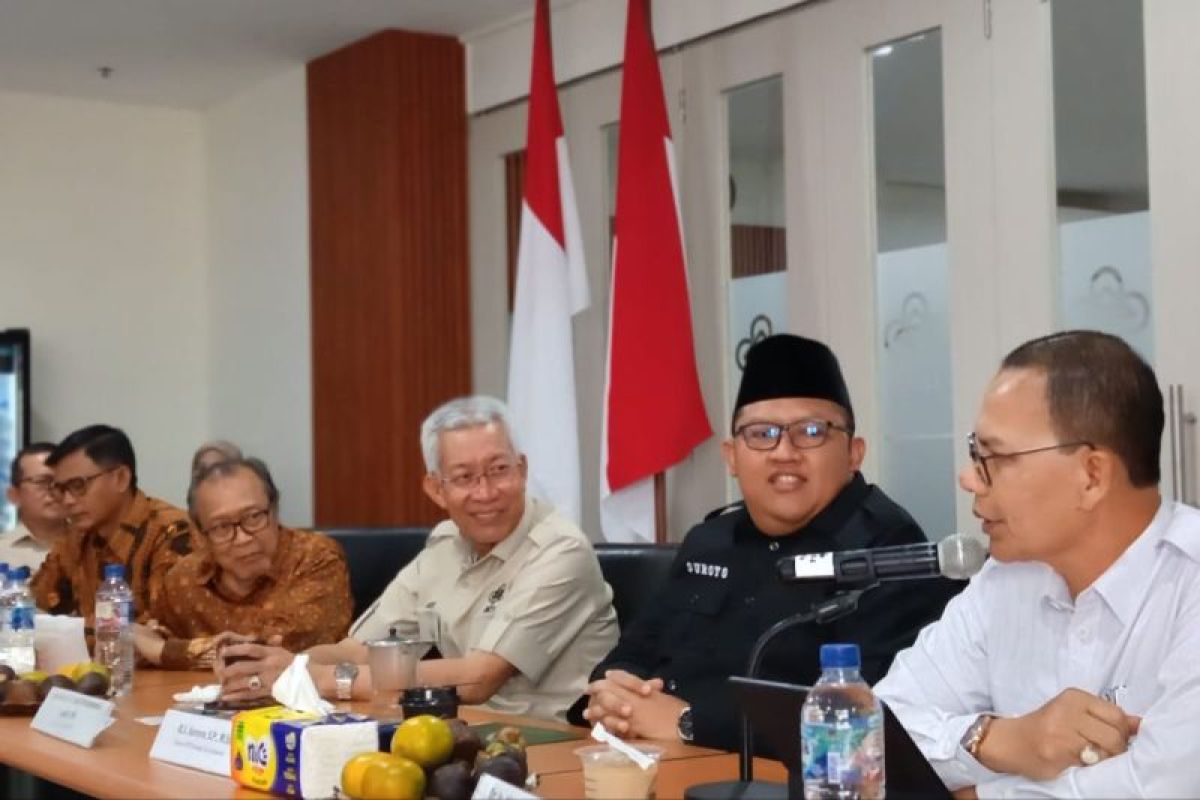
The Indonesian Tobacco Farmers Association (APTI) has requested the Directorate General of Plantations at the Ministry of Agriculture to protect regulations that favour the sustainability of the tobacco industry. “Tobacco is the only reliable crop for farmers during the dry season. Its contribution is enormous for state revenue, absorbing labour and driving the local economy,” said Mudi, Secretary General of the APTI National Executive Board, in Jakarta on Wednesday. According to Mudi, tobacco is a mainstay commodity for 2.5 million farmers spread across 14 provinces. However, several national-level regulations are currently worrying farmers, such as the standardisation of cigarette packaging, restrictions on nicotine and tar levels, and the prohibition of additives. As a commodity that is 98 per cent dominated by smallholder plantations, Mudi stressed the urgency of protecting tobacco from regulations that could hinder the downstream processing of plantation commodities. Meanwhile, Director General of Plantations at the Ministry of Agriculture, Ali Jamil, asserted that the plantation sector should no longer be underestimated. Ali noted that historically, communities with plantation crops were able to survive when Indonesia was hit by the economic crisis. “Do not consider plantations as a lowly sector. During the 1998 crisis, people who had plantation crops were still able to survive. This means this sector has very strong economic resilience,” said Ali. Ali Jamil also explained that based on data from the Central Statistics Agency (BPS), the plantation subsector is run by 10.87 million agricultural business households, which represents the macro picture of plantations. For this reason, he considered it important to empower, protect and guide farmers. “It requires hard work because more than 90 per cent of plantation business actors are smallholder farmers, so strengthening is needed. Our plantation commodities have enormous potential, the area is vast, and productivity results are good. The crucial problem is that the output is still dominated by raw materials, and the supply chain is not yet well integrated,” Ali stated.