
Association: 0.5% MSME Income Tax Implementation Must Be Accompanied by Supervision
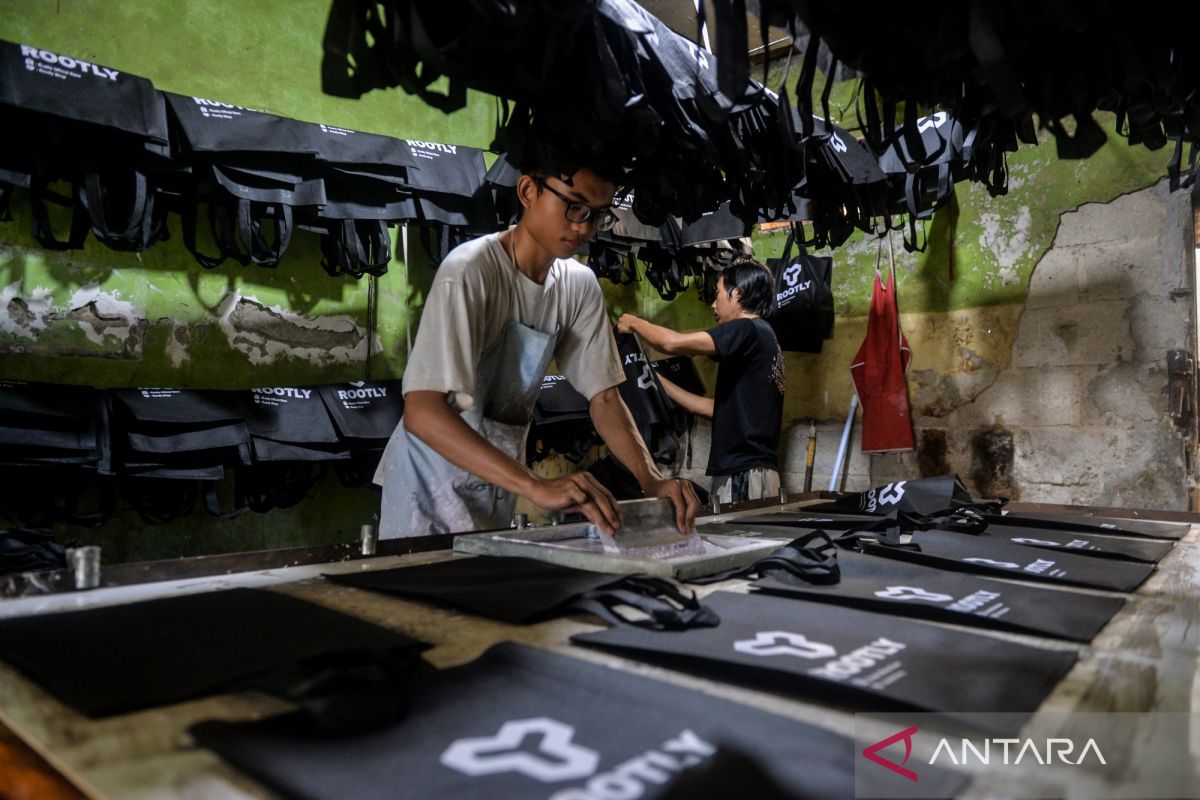
The Chairperson of the Central Executive Board of the Indonesian Micro, Small, and Medium Enterprise Industry Association (Akumandiri), Hermawati Setyorinny, stated that the implementation of the 0.5% final Income Tax (PPh) rate for MSMEs must be accompanied by supervision of dishonest entrepreneurs.
“Whenever there is a regulation, supervision must also be in place. However, there must also be improvements in the socialisation of Government Regulations, rules, and programmes, alongside assistance for micro-entrepreneurs themselves,” Hermawati said when contacted by ANTARA in Jakarta on Friday.
Hermawati noted that in implementing this policy, the government needs to observe field practices where some Sole Proprietorship (PT Perseorangan) business owners are splitting their businesses to evade taxes.
She also argued that this regulation should not be applied uniformly to CVs or non-sole proprietorship PTs operating at a micro-business scale. She explained that the definition of micro-enterprises as stipulated in Government Regulation No. 7 of 2021 must not conflict with the 0.5% final income tax regulations.
“The state should focus on those who are acting dishonestly, rather than applying regulations intended for them (Sole Proprietorships) to everyone. This is because the trend of creating Sole Proprietorship PTs or CVs has only recently emerged,” she said.
She added that the implementation of this policy must not kill business opportunities or the productivity of MSMEs.
Hermawati stated that alongside the 0.5% final income tax, the state must also provide markets, restrict imported goods entering Indonesia to increase the purchasing power of local products and enhance competitiveness, ensure access to banking credit, and provide financial literacy for micro-entrepreneurs.
Furthermore, the government needs to consider the high Value Added Tax (VAT) of 11%, which significantly impacts the production costs of MSME players.
“For instance, regarding banking access, the important thing is that credit can be distributed, but is there education and financial literacy, such as financial management? This is not taught, whereas MSMEs must deal with not only taxes but also regional levies in their respective areas,” she said.
The government, through the Ministry of Micro, Small, and Medium Enterprises (MSMEs), has officially implemented the 0.5% final income tax rule to resolve issues involving thousands of MSME taxpayers suspected of splitting businesses, which has the potential to reduce state revenue.
The policy, contained in Government Regulation (PP) Number 20 of 2026, was designed to create a fairer taxation system while providing business certainty for MSMEs.