
ASSI: AI Integration to Satellites Becomes Key to Indonesia's Digital Ecosystem
JAKARTA, KOMPAS.com - Digital sovereignty, artificial intelligence (AI), and the integration of technology and innovation are seen as increasingly strengthening the strategic role of satellites in building the national digital ecosystem.
Amid rising connectivity needs, satellite technology is no longer merely a complement to terrestrial networks but an essential component in maintaining the resilience and sustainability of Indonesia’s digital services.
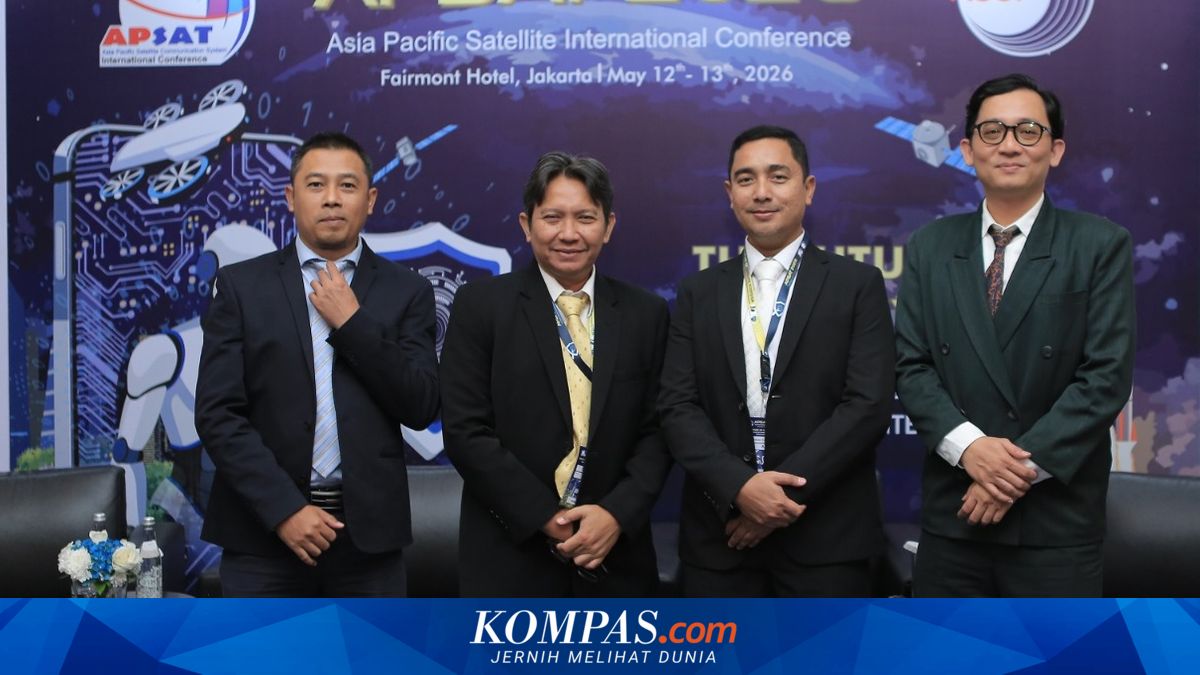
This was one of the main focuses at the Asia Pacific Satellite Conference (APSAT) 2026, held by the Indonesian Satellite Association in Jakarta on 12–13 May 2026. Entering its 22nd edition, this international conference adopts the theme “The Future of Satellite Ecosystems: Importance of Sovereignty, AI, Innovation and Technological Integration”.
ASSI General Chairman for the 2026–2029 period, Risdianto Yuli Hermansyah, stated that the global satellite industry is currently entering a new phase of development as satellite technology becomes increasingly integrated with various layers of other digital infrastructure.
According to him, advancements in AI, cloud, Internet of Things (IoT), fixed broadband, cellular networks, and satellite technology will increasingly converge into a complementary digital ecosystem.
This integration opens new opportunities for digital service development but also demands readiness in infrastructure, regulations, talent, and investments that are adaptive to global technological changes.
Risdianto assessed that in the context of constantly changing global geopolitics and geo-economics, digital sovereignty has become an important concern for many countries, including Indonesia.
The global satellite industry is also facing new challenges, from the development of increasingly diverse satellite constellations, convergence of satellite and terrestrial networks, cybersecurity, to the sustainability of space utilisation.
“Each country has different contexts and approaches. For Indonesia, what needs to be maintained is how we can build adequate national capacity, both in terms of technology, regulations, and human resources, so that our satellite industry grows healthily and sustainably,” said Risdianto.
He stated that Indonesia has great potential to strengthen its position in the Asia-Pacific satellite industry. Indonesia’s geographical position as an archipelagic nation with more than 17,000 islands and a population exceeding 270 million is seen as a crucial asset in the national satellite technology development.
“Indonesia has sufficient assets, from market needs, human resources, to industry player experience. Our collective task is to integrate industry, research, talent, and policies into a sustainable strategy,” he said.
Strengthening the satellite industry is seen as aligned with the Golden Indonesia 2045 vision, where satellite technology can support economic growth, national resilience, maritime connectivity, disaster mitigation, and equitable digital access in frontier, outermost, and underdeveloped regions (3T).
At APSAT 2026, ASSI also emphasised the importance of cross-sector collaboration to strengthen the national satellite ecosystem. Satellite industry development is said to require long-term synergy between government, regulators, industry, academia, research institutions, and international partners.
“We are in an era where every stakeholder has an equally important role. What is needed is a constructive dialogue space, so that the direction of national satellite industry development can align with public policy, market needs, and global technological advancements,” Risdianto explained.
APSAT 2026 was attended by the Head of the National Research and Innovation Agency, Secretary General of the Ministry of Communication and Digital of the Republic of Indonesia, and Head of the National Consumer Protection Agency, along with satellite operators, regulators, academics, and industry players from various Asia-Pacific countries.
Over the two-day event, the forum discussed global satellite industry developments, technology integration, AI, sovereign infrastructure, and directions for international cooperation in the space sector.
“We hope APSAT can serve as a constructive meeting space for all stakeholders. Through this forum, we aim to encourage healthy dialogue and sustainable collaboration in research, technology, investment, and satellite ecosystem development at national and regional levels,” Risdianto concluded.