
Asset Forfeiture Bill Could Seize Fraudsters’ Assets to Compensate Victims
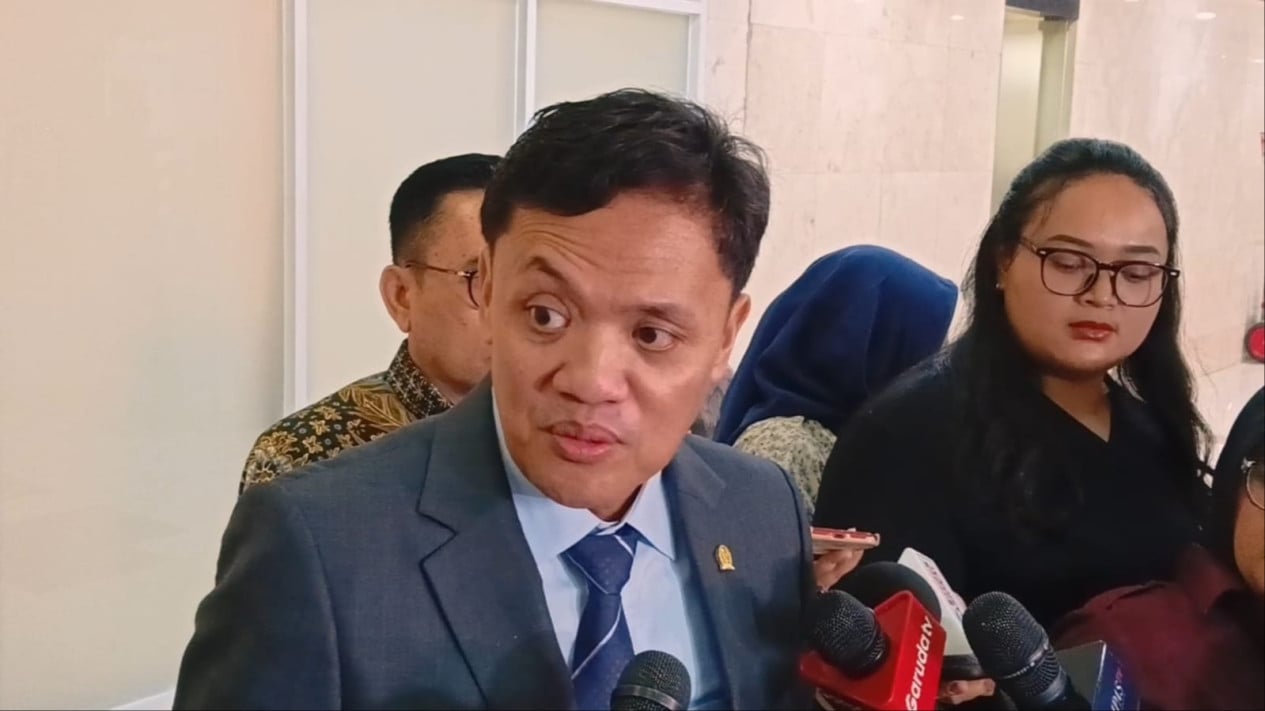
DPR Commission III chairman Habiburokhman said the proposed Asset Forfeiture Bill is intended to allow the seizure of assets belonging to perpetrators of fraudulent investment schemes, so that victims can be compensated.
He said the measure could apply to cases of fraudulent investments and other financial crimes, including fictitious stock and commodity trading, cooperatives that default on repayments, and fraud involving the organisation of umrah pilgrimages. Law enforcement practice to date, he said, has shown that victims of financial crime face great difficulty obtaining compensation, or restitution.
“The conventional criminal justice system focuses too much on punishment through imprisonment (in personam), rather than making victims whole,” Habiburokhman said in Jakarta on Friday.
He said perpetrators often choose to serve several years in prison in order to protect the assets obtained through crime, or conceal them through money laundering before a court ruling becomes final and binding.
More ironically, he said, legal deadlocks have sometimes resulted in the assets being ordered confiscated by the state. Yet the money came directly from members of the public who were defrauded, rather than from losses to state finances, as in corruption cases.
He said these cases are clearly reflected in several major scandals that attracted public attention, including the Binomo binary-options scheme involving Indra Kenz and the Quotex scheme involving Doni Salmanan; a series of fraudulent robot-trading schemes, including DNA Pro, Fahrenheit and Net89; and fraud by umrah travel agencies such as First Travel and Hannien Tour, as well as similar operators.
In the Binomo case, he said, victims faced considerable uncertainty after a court of first instance ruled that the seized assets should be confiscated by the state. They then had to work exceptionally hard to form an association and pursue multiple legal avenues simply to seek the return of their own money.
Similarly, in umrah fraud cases such as First Travel and Hannien Tour, thousands of pilgrims who had saved for years were left in limbo because the perpetrators’ assets had been depleted or seized by the state, with no clear mechanism for returning the funds to the pilgrims.