
Assessing the Urgency of Double-Double Track Following the KRL-Argorail Argo Bromo Anggrek Accident in Bekasi
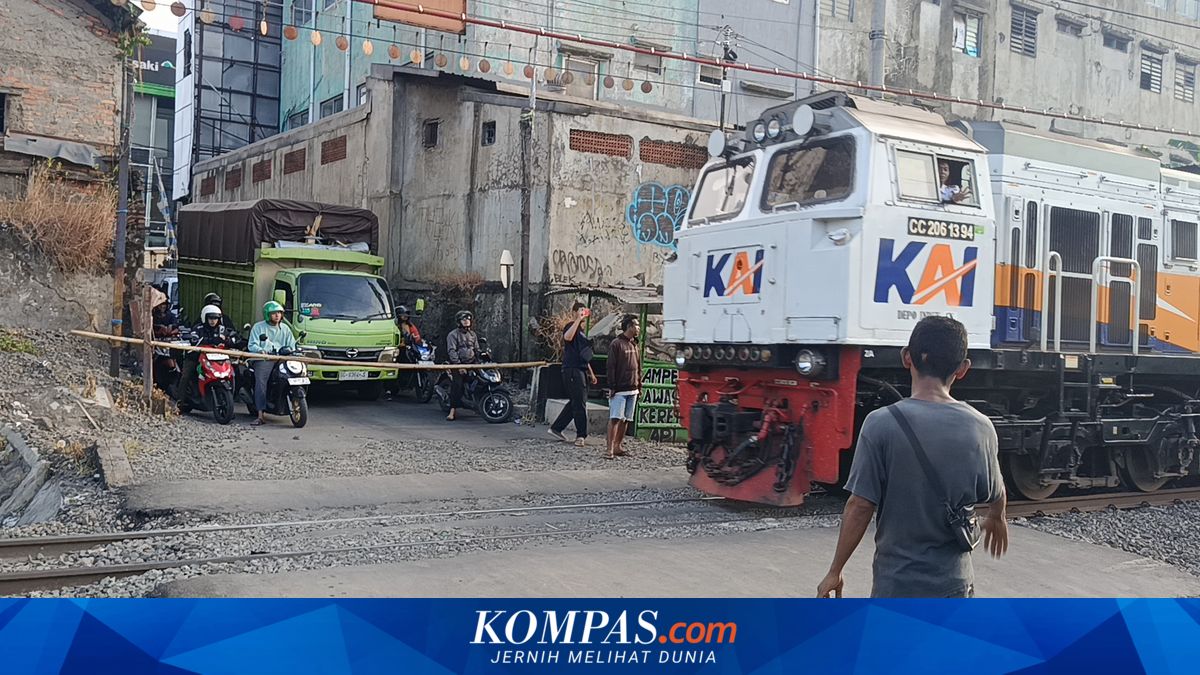
JAKARTA, KOMPAS.com - That night, Monday (27/4/2026), turned tense. The long-distance Argo Bromo Anggrek train and the Commuter Line heading to Cikarang collided on the East Bekasi line in Bekasi. The locomotive appeared to plough into the rear women’s carriage of the Commuter Line. The atmosphere turned chaotic, with warning sirens blaring, accompanied by cries and frantic conversations among passengers. Shortly afterwards, the noise grew louder with the arrival of ambulances, medical personnel, the National Search and Rescue Agency (Basarnas), and elements of the TNI/Police who worked to evacuate trapped victims. The concept is seen as a solution to prevent similar accidents from recurring. But is it necessary? Transportation observer and lecturer in the Urban and Regional Planning programme at Trisakti University, Yayat Supriatna, stated that the urgency of building a double-double track would greatly depend on the level of rail travel demand. The denser the number of train journeys, the higher the urgency. According to him, the root problem that needs to be addressed is the at-grade crossings that do not comply with regulations. “I’m tired of talking about at-grade crossings, why? Because if the railway is made into a double-double track, it could cause endless traffic jams for road users. Look at Bekasi Station, trains pass every 2-3 minutes, causing long queues of traffic. What if the double-double track is already built?” Yayat said when contacted by Kompas.com on Thursday (30/4/2026). Yayat believes that building DDT would risk inefficiency if the existing (double track) line can still accommodate train frequency through schedule management and signalling. As is known, PT KAI (Persero) is required to pay Track Access Charge (TAC) to the government because the rails and several facilities are state-owned. At the same time, the government also allocates Infrastructure Maintenance and Operation (IMO) funds to finance the maintenance of facilities including rail maintenance, bridges, signals, and so on. This reciprocal relationship shows that building new lines like DDT is not just about construction, but also long-term fiscal consequences. “So, in my view, if the double-double track is to be built, it must first be coordinated with the handling of at-grade crossings,” Yayat explained. Moreover, there is a need to reorganise stations to accommodate the additional tracks and various permits that accompany it. “If the double-double track is built, then the stations will need to be upgraded again. Not to mention the unresolved land acquisition issues. Actually, the problem with wanting to build double track sometimes has many obstacles, like incomplete land acquisition that causes problems,” Yayat added. This is because the construction budget is not entirely covered by the state budget, but also by investments from KAI. In the future, the Ministry of Transportation will also hand over the management of facilities to PT KAI.
Source: jawawa.id (https://jawawa.id/newsitem/assessing-the-urgency-of-double-double-track-following-the-krl-argorail-argo-bromo-anggrek-accident-in-bekasi-1777863155)
Originally published by Kompas (https://nasional.kompas.com/read/2026/05/04/09220901/menakar-urgensi-double-double-track-usai-laka-krl-ka-argo-bromo-anggrek-di?utm_source=ABC&utm_medium=rss), translated from Indonesian