
Assessing the Fiscal Anchor for 2027
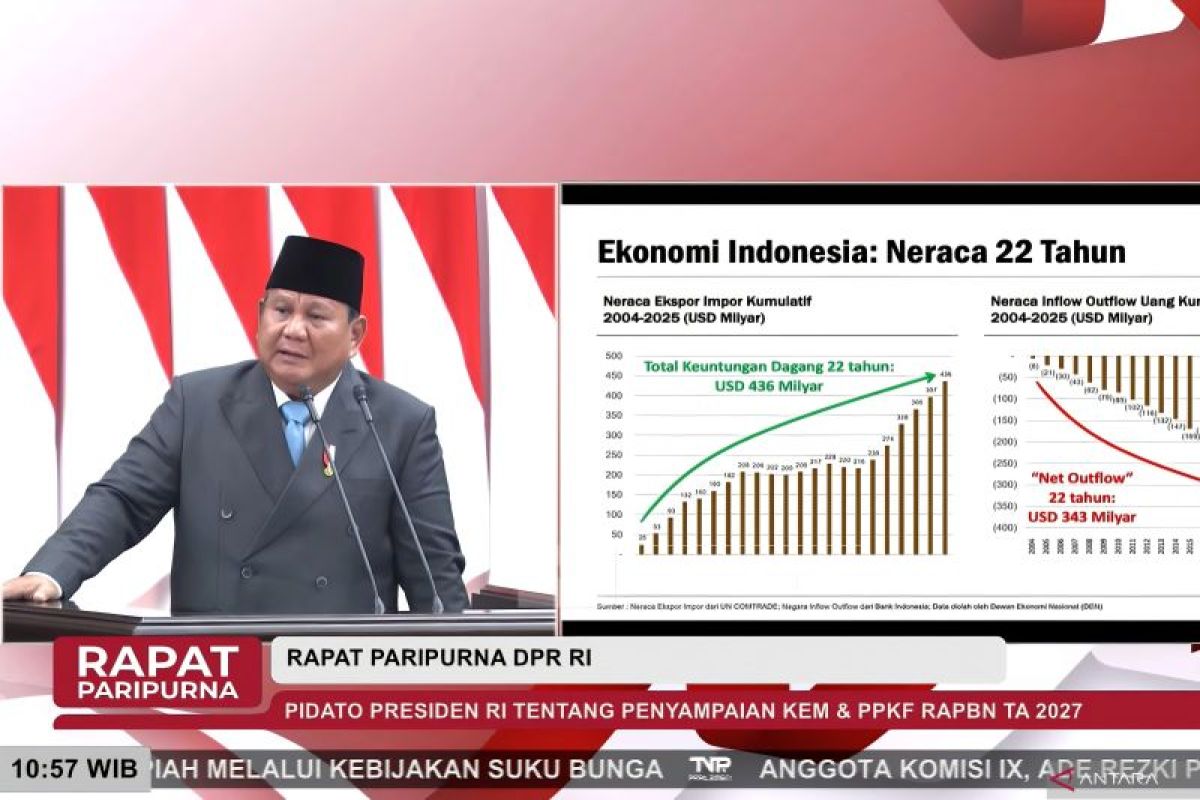
The Parliament urged that tightening of domestic instruments be implemented through expanding an equitable tax base, rather than imposing a heavier burden on small businesses. Jakarta (ANTARA) - President Prabowo Subianto’s address in the DPR RI plenary session on 20 May 2026 underscored the state’s strong commitment to protecting its people amid global geopolitical uncertainty. This move is not merely an annual fiscal routine, but a reaffirmation of the ideological direction of national development rooted in the Pancasila economy. The Macro Economic Framework and Fiscal Policy Key Assumptions Document (KEM PPKF) 2027 sets an extremely optimistic growth target in the range of 5.8 to 6.5 percent. This high target reflects political boldness and the belief that Indonesia possesses solid fundamental capital to leapfrog into a developed nation. The new direction of fiscal policy has received warm reception from various state institutions in Parliament. Institutionally, it is considered that the economic concept offered by the government is a strategic formulation that positions the state as protector of the people and guardian of distributive justice. Parliament sees a grand vision to shift the development paradigm so that it is no longer centered on Java alone, but distributed proportionally to regions that support national natural resources. This synergy between the executive and legislative branches generates renewed optimism that the APBN is truly returned to its function as a tool for the struggle to realise welfare that is fair for all layers of society. The idea of Indonesia Incorporated becomes one of the most relevant breakthroughs to strengthen cross-sector collaboration through a spirit of gotong royong. The concept integrates the roles of the state, private sector, cooperatives, and micro, small and medium enterprises (MSMEs) into one inclusive ecosystem. Through this strategy, the government aims not only for headline growth figures but also to ensure dynamic regional economic activity. This optimism is supported by a relatively progressive target to reduce poverty to between 6.0% and 6.5% by 2027. The government’s direct appearance on the parliamentary floor demonstrates a strong constitutional obligation to guarantee the safety and welfare of the less advantaged segments of the population. Budget structure dilemma