
Assessing the Benefits of the Territorial Development Infantry Battalion
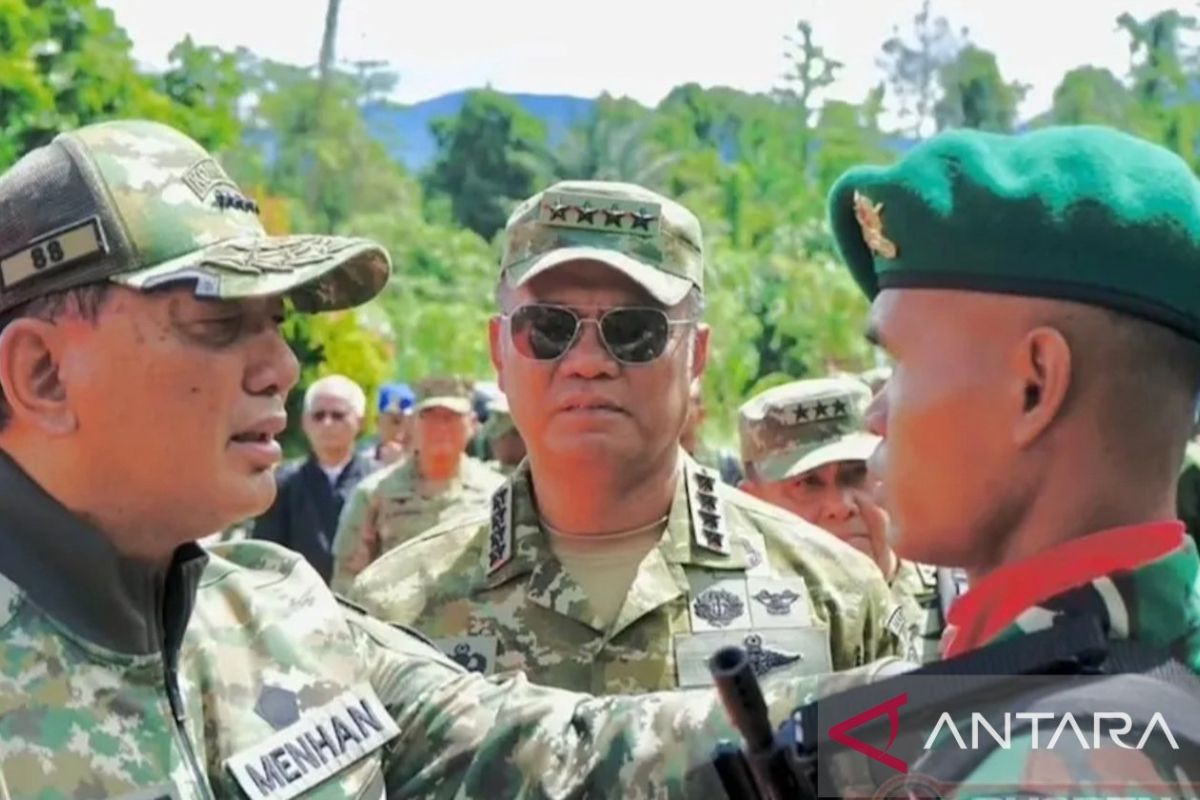
The Territorial Development Infantry Battalion (Yonif TP) is still evolving. Its initial benefits are becoming visible, but its contribution to regional resilience will need to be demonstrated over time.
Jakarta (ANTARA) — Customers at a motorbike repair shop in Dembek, South Manokwari, have increased since the 805/KSW Territorial Development Infantry Battalion arrived.
Soldiers and their families come in for servicing, oil changes and minor repairs. However, whenever particular spare parts run out, the shop owner has to wait for a delivery from the city.
In Ransiki, a tailor has also received more uniform orders, although some materials still have to be brought in from elsewhere.
Interviews conducted by the writers in July 2026 do not represent the economy of the entire regency. But the two cases raise questions that can be tested: how much of soldiers’ spending actually becomes income and added value locally? How does businesses’ capacity change when supplies from outside are disrupted?
These questions took on added relevance after war broke out in the Middle East in late February 2026. Bank Indonesia recorded a surge in oil prices and disruptions to global trade supply chains. Transport costs and the prices of goods can change far from the conflict zone. Regencies that depend on a limited number of distribution routes are also exposed to these risks.
At a plenary Cabinet meeting on 21 October 2026, President Prabowo Subianto emphasised strengthening national resilience, food self-sufficiency, energy independence and the protection of natural resources, including tackling forest and land fires. Cabinet Secretary Teddy Indra Wijaya conveyed the President’s directions the following day.
The President did not specifically mention Yonif TP, but the resilience issues discussed by the Government also shape what regencies need to prepare for.
On 10 August 2025, the President inaugurated 100 Territorial Development Battalions and 20 Territorial Development Brigades in Batujajar. Plans to develop around 750 units comprise 593 Territorial Development Battalions and 157 combat support and administrative units. These figures remain plans; not all the units are operational.
For an archipelagic country such as Indonesia, deploying units across different regions creates an opportunity to build preparedness closer to communities. Personnel who understand local conditions, have field capabilities and are connected to local government can provide additional capacity when circumstances change. Yonif TP is beginning to explore that potential.
Yonif TP is being prepared as an infantry unit with additional capabilities in agriculture, livestock, construction and health. Its presence brings a new market for small businesses. A food stall that buys eggs and vegetables from local farmers passes some of the soldiers’ spending on to local producers.
A stall that sources nearly all its goods from outside the area still earns income, but fewer transactions are passed on to producers in the regency. The Dembek repair shop sits between these two possibilities.
Source: jawawa.id (https://jawawa.id/newsitem/assessing-the-benefits-of-the-territorial-development-infantry-battalion-1792817548)
Originally published by Antara (Indonesian) (https://www.antaranews.com/berita/5809007/menakar-manfaat-hadirnya-yonif-tp), translated from Indonesian