
Assessing Farmers' Risk Behavior: Why Money Bets Differ from Field Reality
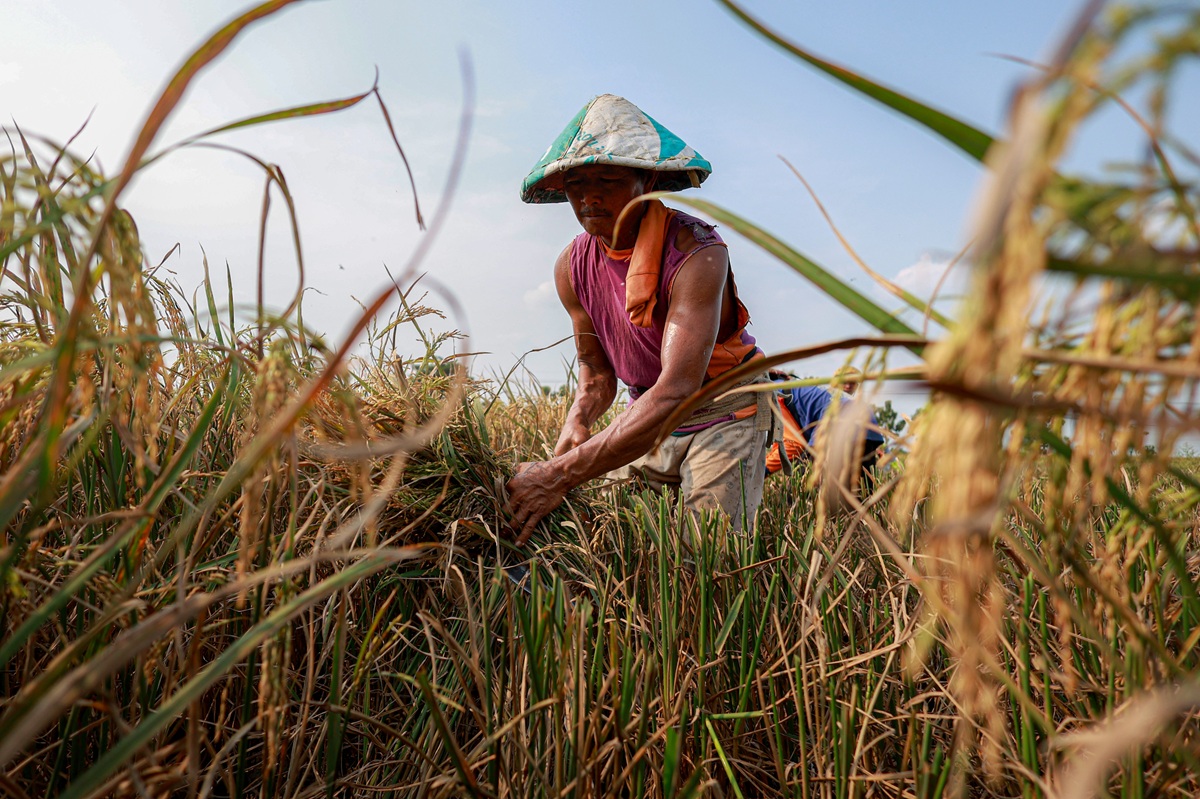
For decades, economists have employed standard methods to measure farmers’ risk aversion through abstract monetary bet simulations. Participants are presented with choices between a small guaranteed reward or a larger uncertain one, from which risk scores are derived to forecast agricultural decisions.
However, these laboratory-style scores only capture a fraction of reality. Recent research reveals farmers exhibit vastly different behaviours when faced with real farming decisions rather than abstract bets. Concrete choices include purchasing drought-resistant seeds, installing drainage systems, or buying crop insurance.
The fundamental question of this study is simple: is an individual’s risk appetite fixed, or does it change depending on what is at stake?
This puzzle drew the attention of Natalie Loduca, clinical assistant professor of agricultural and consumer economics at the University of Illinois Urbana-Champaign (UIUC), collaborating with Scott Swinton, professor emeritus of agricultural economics at Michigan State University (MSU). The issue is highly practical: as climate change increases the frequency of droughts and heavy rainfall, agricultural adaptation depends heavily on how each farmer assesses risk on their land.
In the experiment, researchers gathered farmers managing at least 300 hectares of corn and soybean land in Michigan. The experiment comprised two betting sessions:
Initial results aligned with economic predictions: farmers tended to be risk-averse in both monetary bets and farming scenarios. This is unsurprising for a workforce whose livelihoods depend heavily on weather.
However, a surprise emerged when comparing the two sessions. In monetary choices, farmers’ decisions were uniform and tightly clustered. Yet, when the scenario shifted to crop management and land protection investments, choices spread widely. Some farmers proved far more willing to take risks than others.
Context proved to alter how farmers perceive risk. Monetary bets are clean and abstract, whereas farming decisions carry real-world burdens such as past poor harvests, debt, and specific soil conditions.
This diversity of behaviour sends a crucial message for policymakers: single programmes designed for the ‘average farmer’ will be ineffective. Aid and climate adaptation policies must be tailored specifically based on each farmer group’s risk profile.
‘Given the wide variation in risk preferences, various programmes or policies can be targeted at specific groups,’ Loduca said.
The study, published in the Journal of Agricultural and Applied Economics, confirms that farmers’ risk-averse nature is not a rigid, single trait. Ongoing research is connecting these risk profiles to real-world investment decisions.
Key focuses include securing water availability, accelerating planting, and using drought-resistant rice varieties to maintain production.
Technology not only accelerates business growth but also regenerative agriculture to create broader impacts in the future.
Professor Dwi Rachmina proposed a Value Chain-Based Agricultural Finance model to address Indonesia’s stagnant agricultural credit at 6-7 per cent.
Tanzanian Ambassador Macocha Moshe Tembele stressed the importance of international collaboration in releasing palm genetic resources in Serdang Bedagai.
Source: jawawa.id (https://jawawa.id/newsitem/assessing-farmers-risk-behavior-why-money-bets-differ-from-field-reality-1780289529)
Originally published by Media Indonesia (https://mediaindonesia.com/humaniora/895556/menakar-keberanian-petani-mengapa-taruhan-uang-berbeda-dengan-realitas-di-lapangan), translated from Indonesian