
Asperindo Affirms Logistics Providers Not to Blame for High National Logistics Costs
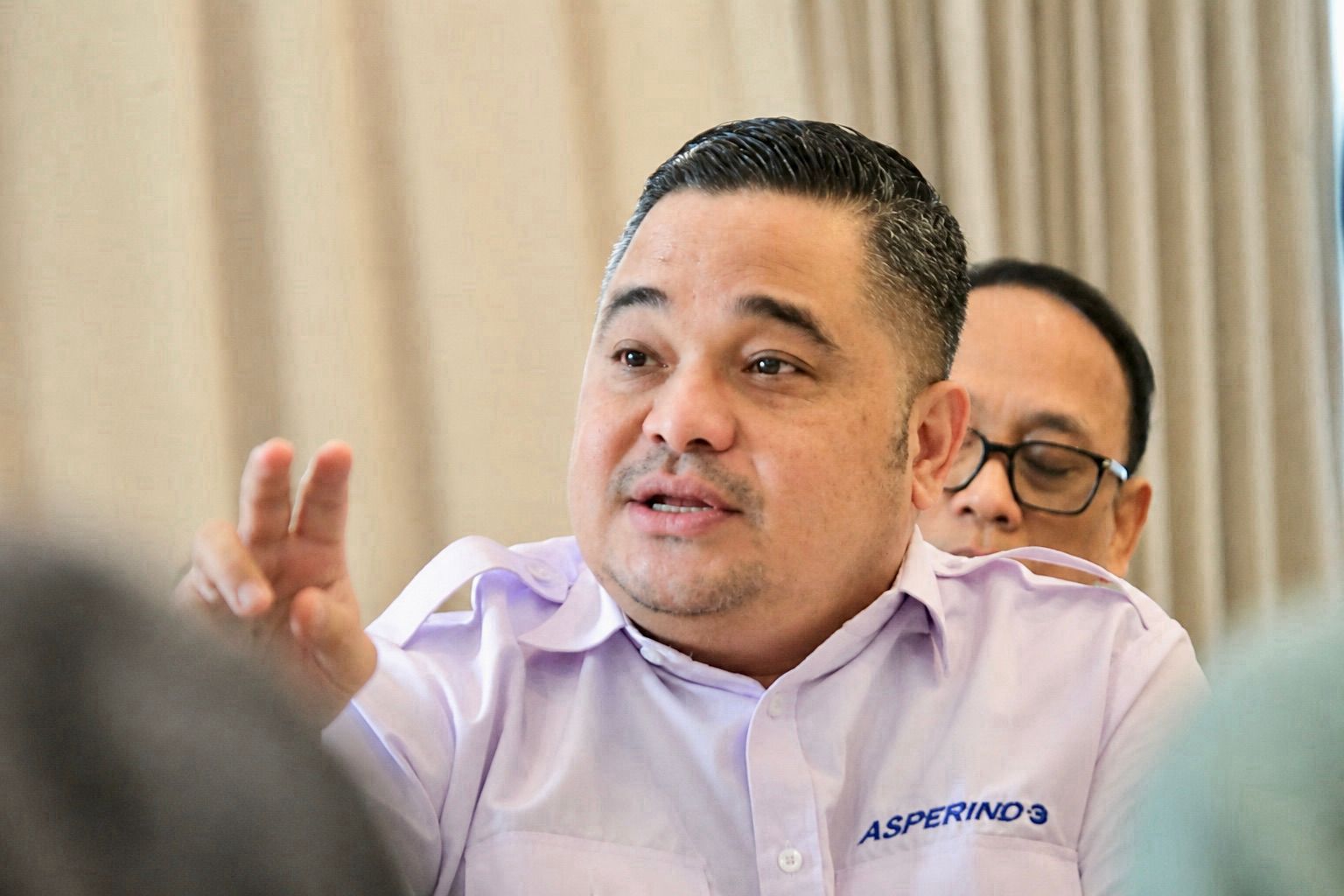
Asperindo Advisory Board member Sonny Harsono has asserted that logistics business operators are not the cause of the high national logistics costs that have often been under scrutiny. On the contrary, logistics service providers are continuously striving to promote efficiency to enhance the competitiveness of the business world and the national economy. The statement was made during a meeting attended by 15 chairpersons of national logistics associations at Resto Parle, Senayan, Jakarta, on Saturday (13/6). The forum discussed various issues deemed to contribute to rising logistics costs in Indonesia, including the emergence of new cost components in air cargo services. One issue of common concern is the imposition of a Cargo and Post Security Inspection Service fee (Jasper/Jaster) of Rp700 per kilogram and a Cargo Handling Charge (SGHA) of Rp340 per kilogram. Business operators assess that these additional fees have the potential to increase operational burdens and ultimately affect goods distribution costs. Sonny stated that logistics operators have often been blamed for the high national logistics costs, whereas many other factors also influence the high distribution costs in Indonesia. “I agree with what Asperindo Secretary General Tekad Sukatno conveyed. We are not the cause of high logistics costs. On the contrary, we want to encourage cost efficiency in logistics so that business costs become more competitive,” Sonny said. He added that one of the biggest challenges currently lies in the air logistics sector, which is very sensitive to increases in operational costs, including avtur prices and various other additional fees. ” People often look at external factors such as global turmoil or avtur prices. But it turns out that is not the only issue. Now new costs like Jaster and SGHA have appeared, which did not exist before. This is certainly a shared concern,” he said. According to Sonny, if Indonesia wants to improve economic competitiveness, logistics cost efficiency must become a shared agenda for all stakeholders. He assessed that high logistics costs will directly impact the cost of doing business in Indonesia. “If we talk about logistics cost efficiency, I think everyone agrees. The cost of doing business must be made easier and more efficient so that Indonesia becomes more competitive,” he stressed. Furthermore, Sonny hopes that all logistics associations can unite their views and convey their aspirations jointly to the government. He also emphasised that the logistics industry does not want to be continuously regarded as the party responsible for high national logistics costs. “We are here to speak with one voice. Logistics operators must not continue to be the accused party. What we are fighting for is the creation of a more efficient and healthy logistics ecosystem for all business operators,” Sonny said. The forum, attended by 15 chairpersons of national logistics associations, also served as a platform for business operators to convey their aspirations and the problems they face in the field. Almost all representatives and chairpersons expressed the same concern regarding the increasing number of cost components emerging in logistics services, especially in air transport modes. All logistics service providers agreed with Asperindo that the addition of these new costs has the potential to increase the operational burden on companies and ultimately impact the national logistics costs that are currently being sought to be reduced. Another concern is that every time there is a new regulation, there is always the potential for costs to be incurred by entrepreneurs.