
ASPEBINDO: Downstream Processing and Energy Transition Must Be Backed by Investment and Real Projects
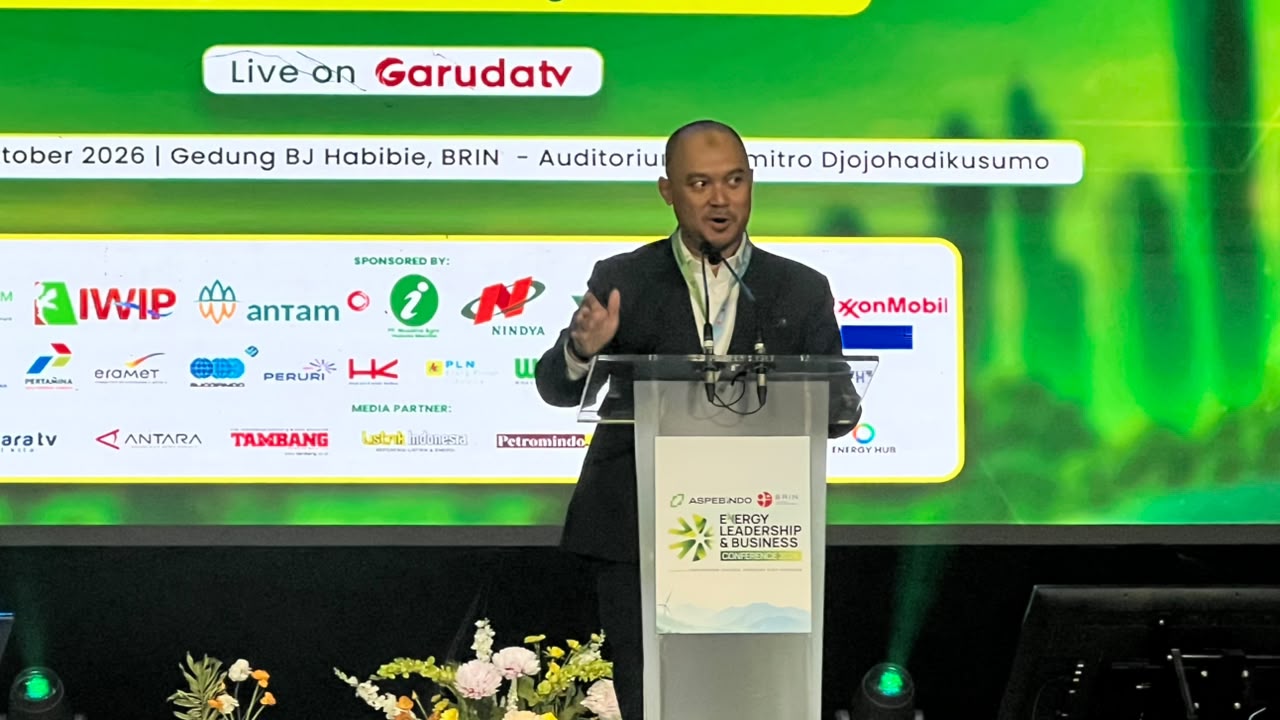
JAKARTA – The Indonesian Association of Energy and Coal Suppliers (ASPEBINDO) is urging the faster implementation of national downstream processing and energy-transition initiatives through stronger investment, industrial development and the delivery of strategic projects.
Policies and ideas that have already been developed must, it says, be translated into concrete business activity to generate added value for the national economy.
ASPEBINDO chairman Anggawira said strengthening the energy and natural-resources sectors could not rely solely on policy or dialogue between stakeholders. The government, businesses, universities and innovation developers needed to work together to turn these agendas into investment and real projects.
ASPEBINDO aims to act as a collaborator, connecting energy sovereignty, increased industrial investment and innovation, he said. All three must advance together to strengthen national industry.
“ASPEBINDO must be a collaborator, driving energy sovereignty and linking increased industrial investment with innovation. These three things must move forward together; they cannot operate in isolation,” Anggawira said when opening the Energy Leadership and Business Conference (ELBC) 2026 in Jakarta on Friday, 30 October 2026.
He said one challenge in developing the energy industry and downstream processing was ensuring that concepts and innovations did not remain at the planning stage.
They need support from a business ecosystem, market access, financing and collaboration so they can develop into productive economic activity.
Anggawira stressed that innovation from different parties required cross-sector support and should be directed towards implementation so it could benefit industry and the public.
“Innovation must not come to a halt and remain just a proposal. It must keep growing into business activity,” he said.
Anggawira also highlighted several government initiatives that he said offered opportunities to develop Indonesia’s energy and natural-resources industries.
One was the expansion of downstream processing and efforts to increase added value. Industrial development, he said, should not focus solely on exploiting natural resources, but also strengthen domestic industrial capacity and create broader economic supply chains.
He welcomed the government’s efforts to promote downstream processing and added value in the minerals and natural-resources sectors, but said implementation would need to be overseen to ensure the initiatives met their objectives.
Anggawira also pointed to opportunities in bioenergy, including the use of biofuels through the development of E5 and E10 blends.
He said this could open up new business opportunities, including for young entrepreneurs, while helping to reduce Indonesia’s reliance on energy imports.
“Our energy imports are substantial. If we replace some of them, this becomes an opportunity that can be developed,” he said.
He also emphasised the need to strengthen connectivity and the resilience of national gas supplies. Developing gas networks, he said, was important for building integrated energy infrastructure and increasing the use of domestic resources.
Anggawira said adequate investment was needed to support energy infrastructure, downstream processing and alternative energy development, enabling government policies to become projects with a direct impact on industrial growth.
To advance these priorities, ASPEBINDO is running programmes focused on advocacy and education, market access and business opportunities, supply-chain strengthening, and innovation development.
Anggawira said market access and business networks were being expanded through collaboration at home and abroad. Discussions on potential partnerships had been held with counterparts from Russia, South Korea and Canada.
These efforts are intended to broaden business opportunities for members and strengthen links between Indonesian energy companies and international business networks.
ASPEBINDO is also seeking to bring businesses together with universities and the government through dialogue forums and collaborative activities.
Anggawira said an intermediary or incubator was needed to bridge business, academia and government. Such a link could help turn university research and innovation into products and projects with economic value.
“What we have discussed must not remain mere talk. We must accelerate the concepts we have and implement them as concrete strategic projects. From dialogue to real action,” he said.
He added that strengthening policy dialogue was another ASPEBINDO priority. Communication between the government and industry needed to continue improving so that the energy sector’s concerns and requirements could be discussed in a more focused way. ASPEBINDO is also seeking to establish a dedicated channel for discussions on energy, investment and innovation, giving these strategic issues greater attention.