
Asia's Energy Crisis: Extreme Heatwaves and US-Israel-Iran Conflict Impact
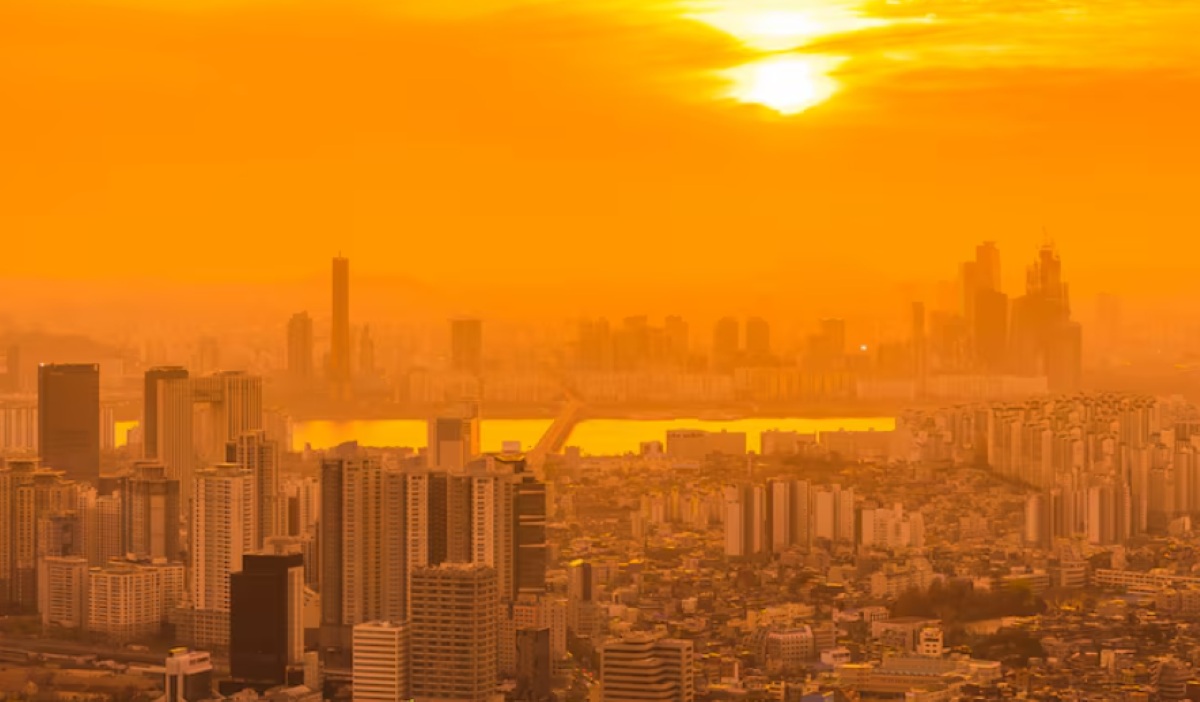
Asia is currently gripped by debilitating extreme heatwaves, triggering severe tensions in global coal and gas markets. A surge in electricity demand for air conditioning is clashing with an acute energy crisis caused by the US-Israel conflict with Iran, heightening the risk of a severe crisis as the hottest months of the year begin. India has seen temperatures reach 47 degrees Celsius across multiple states this month, driving electricity demand to a record high of 271 gigawatts for four consecutive days. This level was previously projected by grid authorities as the maximum for 2026-2027, yet the summer still has three full months to go. The soaring temperatures are not confined to South Asia. In Seoul, mercury has remained around 13% above long-term averages since mid-May, triggering extreme heat warnings. Shanghai has recorded averages 12% above normal, while Tokyo is 10% higher. Climate crises have reportedly doubled the likelihood of such extreme heatwaves. Data shows India’s heatwave days have increased by 0.44 days per decade since 1961. Additionally, nights with temperatures above 25°C are rising, affecting health and forcing 24-hour AC usage. Armed conflict between the US, Israel, and Iran has led to the closure of the Strait of Hormuz. This chokepoint carries one-fifth of global oil trade and a third of liquefied natural gas (LNG). India, one of Asia’s largest energy importers, is among the hardest hit. Gas-fired power plants, which typically bridge the gap between solar peaks during the day and coal-based baseload at night, are now being rationalised. LNG supplies from Qatar, which previously met 40% of India’s needs, have plummeted due to Middle Eastern logistics disruptions. As a result, the burden has shifted back to coal. On 21 May 2024, thermal plants supplied 62.8% of India’s total electricity demand. Current coal stocks at power plants are sufficient for only 23 days of consumption, below the government’s 30-day buffer target. Despite rapid growth in clean energy infrastructure, the main challenge arises after sunset. ‘Morning demand peaks align with solar operations, but for evening peaks, we end up relying on more carbon-intensive and costly fossil fuel sources,’ said Saloni Sachdeva Michael, energy specialist at IEEFA. India currently has only about 6 gigawatts of battery storage capacity, far below the estimated 61 gigawatts needed by 2030. Without large-scale storage solutions, the grid remains dependent on coal and gas to keep lights on during high evening temperatures. A study by the University of California, Berkeley, shows doubling AC efficiency could reduce peak demand by 47 gigawatts by 2035 — equivalent to 100 large power plants — and potentially lower consumer electricity costs. Simon Stiell, Executive Secretary of the UN Climate Change, warned that the extreme heat is a double reminder for countries to accelerate renewable energy adoption for energy security, affordability, and protection against geopolitical conflict volatility.