
Asiana introduces technology to convert waste into alternative fuel
Jakarta (ANTARA) - PT Asiana Technologies has introduced waste processing technology to produce an alternative fuel in the form of Refuse Derived Fuel (RDF), which has a calorific value of more than 3,500 kilocalories per kilogram and can be utilised as fuel in certain industries.
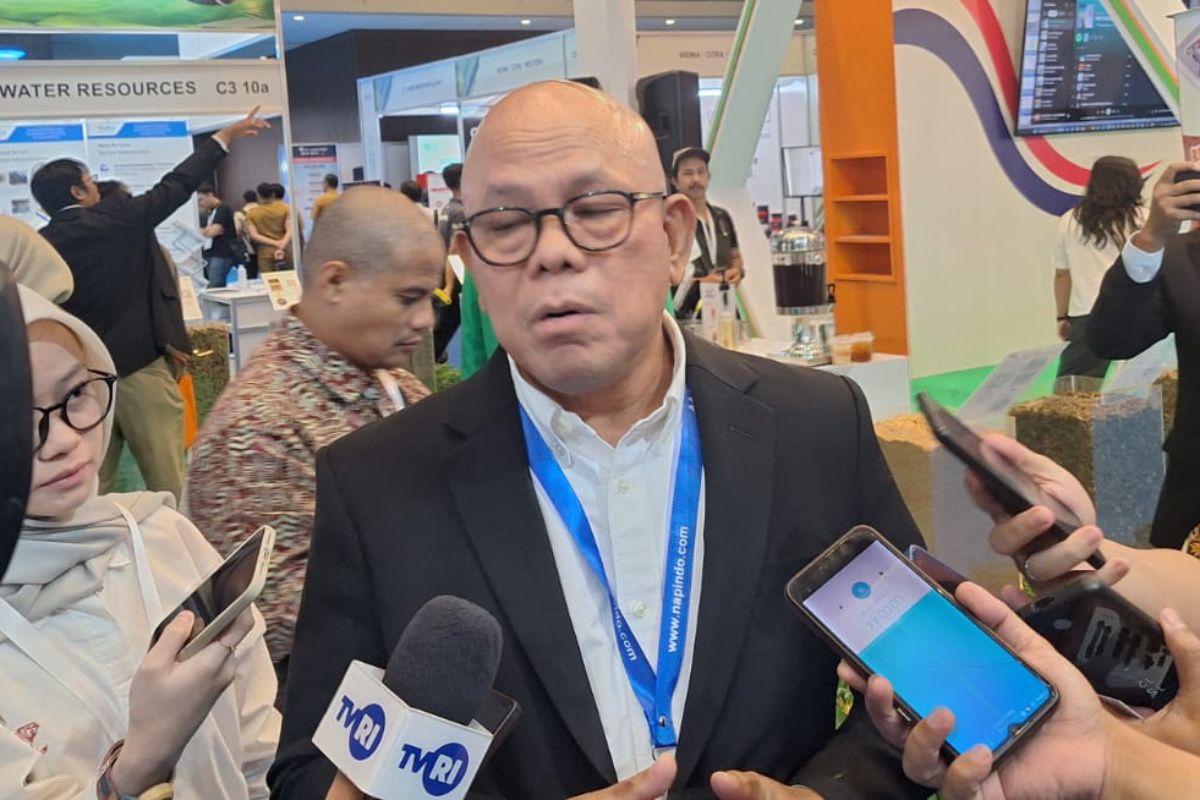
"Alternative fuel sourced from solid waste, whether industrial waste, organic waste or municipal waste, after we convert it can become new renewable energy which we call solid fuel," said Poltak Sitinjak, CEO and Inventor of Asiana Technologies, in a statement in Jakarta on Tuesday.
He said the technology was developed by considering the characteristics of waste in Indonesia, which has a relatively high moisture content. Poltak explained that the fuel produced from waste processing can be used as a companion fuel to coal, or co-firing, in industrial facilities. Its utilisation, he added, does not have to replace coal entirely but can be done gradually according to needs and user technology.
Poltak assessed that prior processing is necessary because municipal waste in Indonesia is generally mixed and has a high water content. This condition is one of the challenges in implementing waste-to-energy processing technology. According to him, the waste-to-fuel approach is carried out by processing the waste first, including reducing the moisture content, before the material that meets specifications is used as fuel.
"Because the water content in our waste in Indonesia is high. So we propose that the waste is processed first, after it becomes fuel, then it is used in power plants or factories that use coal," he said.
In addition to waste processing technology, the company also introduced a smart container to support the waste transportation system from temporary disposal sites (TPS). Poltak said one unit of the smart container developed has a capacity of up to 20 tonnes of waste after going through a compaction process. The system is designed to accommodate waste at the TPS before it is transported using special vehicles when its capacity is full.
According to him, compaction can reduce the volume and separate leachate water, which can then be further processed. The system is also equipped with monitoring technology that allows operators to know when the container capacity is full. "After it is full, there is AI that tells the operator to make a pick-up," he said.
Poltak said the smart container can be placed at TPS, so that waste from residential areas is first collected at that location. Subsequently, sanitation workers put the waste into the container before it is transported to a processing site or final disposal site.