
Asian Markets Open Mixed as South Korea's Kospi Surges and China Falters
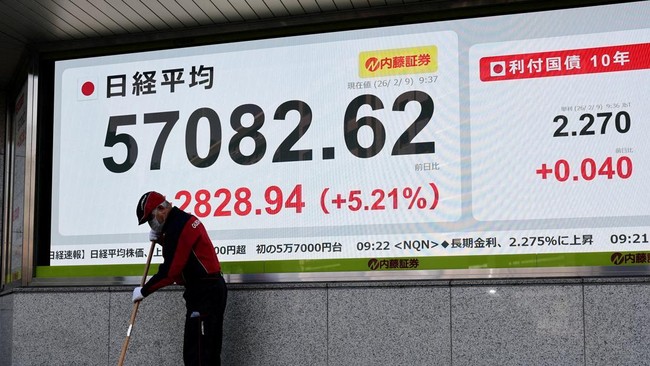
Most Asian stock markets opened mixed on Monday (1 June 2026) in response to renewed Middle East tensions. Regional market dynamics were heavily influenced by negative sentiment from rising global crude oil prices, which climbed following the escalation of military conflict between Israel and Lebanon. This forced market participants to recalibrate inflation risks across Asia.
Inflation Pressures and Regional Sentiment
The surge in crude oil prices, which breached the $93 per barrel mark for Brent crude, has placed additional pressure on Asian nations that are net energy importers. Rising energy costs have sparked new concerns over unmanageable inflation. The geopolitical situation in the Middle East, shifting to open confrontation in Lebanon, has dashed market hopes for near-term security of supply routes through the Strait of Hormuz.
In response, mainland Chinese stock indices recorded a correction. Selling pressure in China’s market was driven not only by energy inflation threats but also by weekend economic data showing stagnation in manufacturing activity. The combination of economic slowdown and rising raw material costs has led investors in Shanghai and Shenzhen to adopt a cautious stance.
Conversely, several major Asian exchanges managed to gain amid global sentiment pressures. Japan’s Nikkei 225 held onto positive territory with a solid advance. South Korea’s KOSPI posted the highest gain among Asian markets, rising 4.54% at the open. This suggests some investors may be shifting assets to energy and commodities sectors benefiting from higher oil prices, as well as companies with strong fundamentals to withstand external volatility. Hong Kong’s HSI and the Philippines’ PSEi also recorded gains during early trading.
Asian Index Performance at Open
Based on trading data from Asian markets open at 10:15 WIB, major indices showed mixed market responses. The following is a summary of positions and daily percentage changes for actively traded indices this morning.
The mixed movements in Asian markets are expected to persist throughout the day as investors react to Middle East developments. Volatility in energy commodity markets will remain a key indicator guiding regional investment directions, given their direct impact on central bank interest rate forecasts and economic growth projections for developing Asian nations.