
Asian Airlines in Turmoil as Fuel Prices Surge
Asian airlines are collectively taking emergency steps amid a sharp surge in jet fuel prices due to geopolitical conflicts in the Middle East. This rise in energy costs is forcing industry players to curb expenses, including raising ticket prices, to ensure business continuity.
Crude oil prices have surged more than 50% since the conflict erupted on 28 February, while global jet fuel prices have more than doubled. This spike delivers a severe blow to the aviation industry, which heavily relies on stable energy prices.
Here is the situation for several airlines worldwide, as quoted from BBC International on Thursday (2/4/2026).
South Korea
The pressure from rising energy prices is immediately felt in South Korea, which heavily depends on oil supplies from the Middle East. In recent days, major airlines such as Korean Air, Asiana Airlines, and Busan Air have uniformly adopted emergency management policies.
The measures generally focus on internal efficiency, from halting expansion and delaying investments to optimising flight operations. It is not out of the question that airlines will also reduce flight frequencies to ease cost burdens.
A Korean Air spokesperson stated that the company is now in emergency management mode. “We will implement internal cost-reduction measures to ensure company stability amid rising fuel prices and global economic uncertainty,” they said.
Meanwhile, Korean Air Vice Chairman Woo Ki-hong, in an internal memo to employees, emphasised that the company is preparing for a “surge in fuel expenditure”. He described these efficiency steps not merely as short-term responses but also as part of efforts to strengthen the business foundation in the long term.
China & Hong Kong
As the world’s largest oil importer, China is not spared from the impact of the global energy price surge. China Eastern Airlines has warned that the geopolitical conflict will place significant pressure on the aviation industry’s performance this year.
Several airlines in China have raised fuel surcharges since the conflict intensified. On the other hand, the government is reportedly holding back fuel exports to maintain domestic price stability, which could tighten supplies.
In Hong Kong, Cathay Pacific has taken similar steps by incorporating fuel surcharges into all flights. As a result, ticket prices have soared, risking a drop in demand, especially amid global economic uncertainty.
Japan
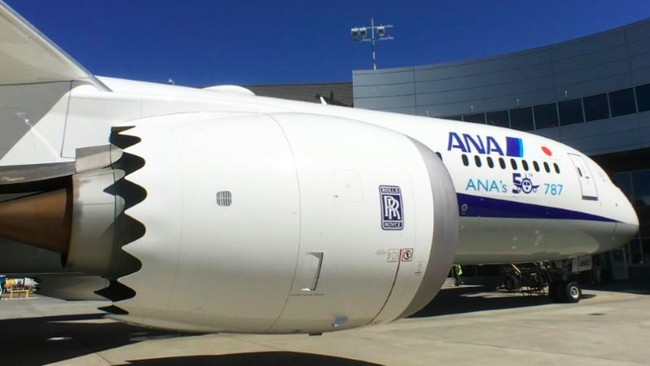
Unlike other countries, the direct impact in Japan remains relatively limited. All Nippon Airways (ANA) stated that it has not raised fuel surcharges for tickets from April to May because prices were locked in beforehand.
“The direct impact at present is still limited,” an ANA spokesperson said, adding that hedging strategies have helped cushion energy price volatility.
Meanwhile, Japan Airlines has not taken specific steps regarding fuel cost increases. However, the airline acknowledges price hikes on certain routes, particularly Japan-Europe flights, due to surging demand following the closure of Middle East routes.
India
India’s aviation industry faces layered pressures. In addition to rising fuel prices, airlines are also affected by flight cancellations to the Middle East, one of their largest international markets.
India’s aviation authority estimates that airlines will cut domestic flight capacity by up to 10% from March to October. This step is taken to adjust to soaring operational costs.
On the other hand, the government has lifted the upper limit on ticket prices since 23 March. This policy gives airlines flexibility to raise fares to cover the ongoing fuel cost surge.
Philippines-Vietnam-Singapore
The energy crisis is also strongly felt in Southeast Asia. The Philippines became the first country to declare a national energy emergency status in response to the fuel price surge.
President Ferdinand Marcos warned that halting flight operations due to fuel shortages is a “real possibility”, after several airlines struggled to refuel abroad.
Vietnam faces a similar threat. This country, which imports nearly 90% of its oil needs, could experience jet fuel shortages in the near future. Vietnam Airlines has even suspended some domestic flights as a precautionary measure.
Meanwhile, Singapore Airlines and its subsidiary Scoot are adjusting strategies by raising ticket prices. Fuel costs now account for about 30% of total expenditure, making it the largest component in the airline’s cost structure.
Nevertheless, the airlines acknowledge that price increases can only cover part of the cost surge. This means pressure on profit margins remains high.
Singapore’s aviation authority has even decided to postpone the implementation of eco-friendly fuel levies originally set for April 2026. This policy is aimed at reducing additional burdens amid the global energy crisis.