
Asia Squeezed by Energy Crisis Due to Middle East Conflict
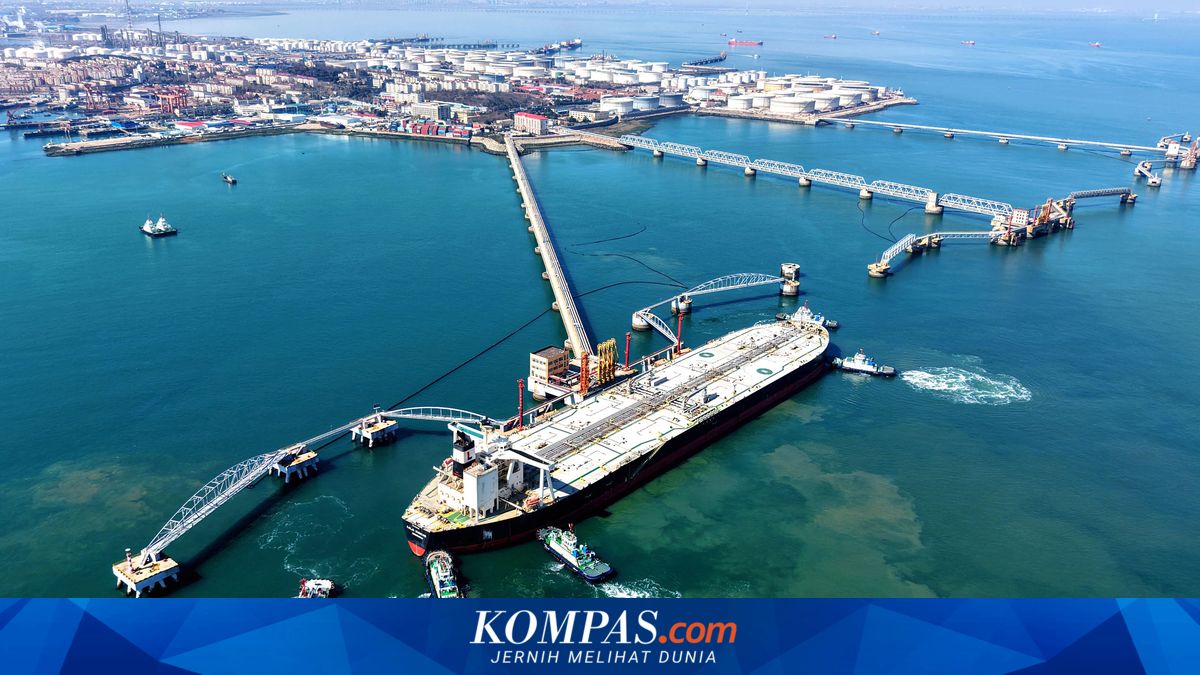
The protracted conflict in the Middle East is beginning to shake Asia’s energy resilience. The dependence of Asian countries on oil and gas imports from the Gulf region is now turning into tangible economic pressure. Disruptions to energy distribution through the Strait of Hormuz are causing oil and gas prices to soar, while Asian nations face threats of inflation, weakened purchasing power, and energy supply interruptions. As the conflict in the region triggers supply chain disruptions, the impacts are immediately felt in energy-importing countries such as India, Japan, South Korea, the Philippines, Thailand, and other Southeast Asian nations. A report from the World Economic Forum (WEF), cited on Thursday (14/5/2026), states that Asia’s reliance on fossil fuel imports is transforming geopolitical tensions into economic pressures. The WEF assesses that energy security and diversification of energy sources have now become strategic priorities in many Asian countries. The WEF also notes that the war in the Middle East has changed the way Asian countries view energy security. “Energy security and diversification now emerge as top strategic priorities,” the WEF writes. The Strait of Hormuz is a vital global energy trade route. Most shipments of oil and gas from the Middle East to Asia pass through this route. With the conflict showing no signs of ending, the energy crisis is now spreading to various sectors of Asia’s economy. Air ticket prices, shipping tariffs, and electricity bills are rising and beginning to threaten regional economic growth. The United Nations Development Programme (UNDP) estimates that around 8.8 million people are at risk of falling into poverty due to the war’s impacts and the energy crisis. “Countries with the fewest resources to respond, or the least able to afford consumers, feel the effects first,” said Samantha Gross from the Brookings Institution think tank, quoted from the Associated Press (AP). Asian countries previously prepared budgets assuming oil prices around 70 US dollars per barrel. Various energy subsidies were used to keep domestic fuel prices stable. This situation is placing increasing fiscal pressure on Asian governments. According to independent energy analyst Ahmad Rafdi Endut in Kuala Lumpur, Malaysia, governments now face difficult choices. “Governments now face tough choices between maintaining those expensive subsidies, which will burden public finances, or cutting them to pass higher costs to consumers, which risks public backlash,” Rafdi said. In the early stages of the conflict, several Asian countries were still able to hold out by utilising energy reserves and domestic subsidies. However, entering the second wave of the war’s impacts, the pressure is intensifying. Energy-importing countries now face rising costs for crude oil and liquefied natural gas (LNG) imports. This is exacerbated by high logistics costs and global energy distribution uncertainties. In India, for instance, fuel supplies are being redirected to meet cooking gas needs for around 330 million households. However, this move is reducing supplies for fertiliser factories. Rising fertiliser prices, combined with the threat of low rainfall due to El Niño, are raising new concerns for India as the world’s largest rice exporter. Modi has also asked farmers to reduce fertiliser use by half. In the Philippines, the government has implemented a four-day workweek to save fuel consumption. The government is also providing special subsidies for poor households. Nevertheless, Fitch Ratings notes that most consumers still have to bear higher energy costs, leading to slowed business activity in major cities like Manila. The Thai government is now cutting other expenditures to keep the budget under control amid the oil price surge. Meanwhile, Vietnam has extended the temporary suspension of fuel taxes to suppress domestic prices. Fuel shortages for aircraft are also triggering flight reductions.