
Asia-Pacific Region to Drive Global Aviation Growth with Demand for 19,120 New Aircraft
The Asia-Pacific region is predicted to continue dominating as the primary driver of global aviation growth over the next two decades. According to the latest Global Market Forecast (GMF 2026-2045) from Airbus, passenger traffic volume in this region is expected to increase by more than twofold during this period.
This growth is reflected in the compound annual growth rate (CAGR) of passenger traffic in Asia-Pacific, which is projected to reach 5.1%, significantly outperforming the global average of 3.9%. This condition is triggering a massive need for new fleets to support public mobility.
Robust economic fundamentals serve as the main driving force. By 2045, the middle-class population in Asia-Pacific is expected to exceed three billion people. Alongside rapid urbanisation, air travel is transforming into a vital pillar for social and economic prosperity in the region.
Out of the total requirement for 19,120 new aircraft, Airbus noted that one-third will be allocated for the renewal of old fleets to improve efficiency, while the remainder is intended to support the expansion of airline growth.
Asia-Pacific will absorb the largest share of global widebody aircraft deliveries, with demand reaching 3,420 new aircraft. Airbus is positioning the A350 and A3ring330neo families as the primary solutions, where the A350-1000 is now becoming the preferred choice for long-haul intercontinental flights, replacing older models such as the 777-300ER.
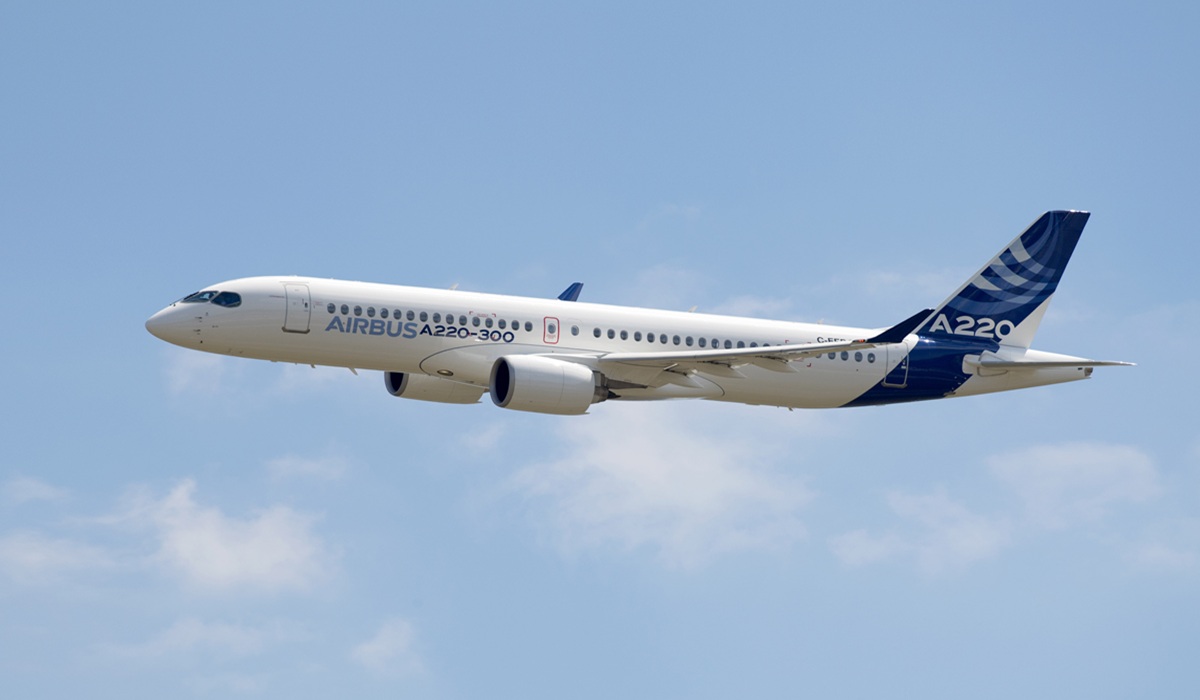
On the other hand, demand for single-aisle aircraft remains strong with a requirement of 15,700 units. The presence of aircraft such as the A321XLR and A220 allows airlines to open new direct routes from secondary cities without having to pass through traditional mega-hubs.
Anand Stanley, President of Airbus Asia-Pacific, stated that there is a significant evolution in how routes in the region are connected. “Airlines are increasingly moving away from the traditional hub-and-spoke model by connecting secondary cities directly to the global economy,” he said.
As of the end of August 2026, Airbus has solidified its position in the region with 119 airlines operating 5,000 Airbus commercial aircraft, representing a 58% market share. Furthermore, there are nearly 3,500 aircraft in the order backlog, representing 61% of the total orders from all aircraft manufacturers in the market for jets with a capacity of over 100 seats for the Asia-Pacific region.
Source: jawawa.id (https://jawawa.id/newsitem/asia-pacific-region-to-drive-global-aviation-growth-with-demand-for-19-120-new-aircraft-1789519939)
Originally published by Media Indonesia (https://mediaindonesia.com/ekonomi/933888/kawasan-asia-pasifik-dorong-pertumbuhan-penerbangan-global-dengan-kebutuhan-19120-pesawat-baru), translated from Indonesian