
Asia Pacific Dental Federation Drives Shift to Preventive Oral Health Approach
The Asia Pacific Dental Federation (APDF) has published its first guidelines on self-care oral health, prepared by dentists, emphasising that oral disease prevention is achievable by all. LISTERINE® supports the campaign with scientific backing.
APDF has released a paper titled “The Power of Prevention: Evidence-Based Guidelines for Self-Oral Care”, a comprehensive guide on effective daily oral care practices and their impact on overall health.
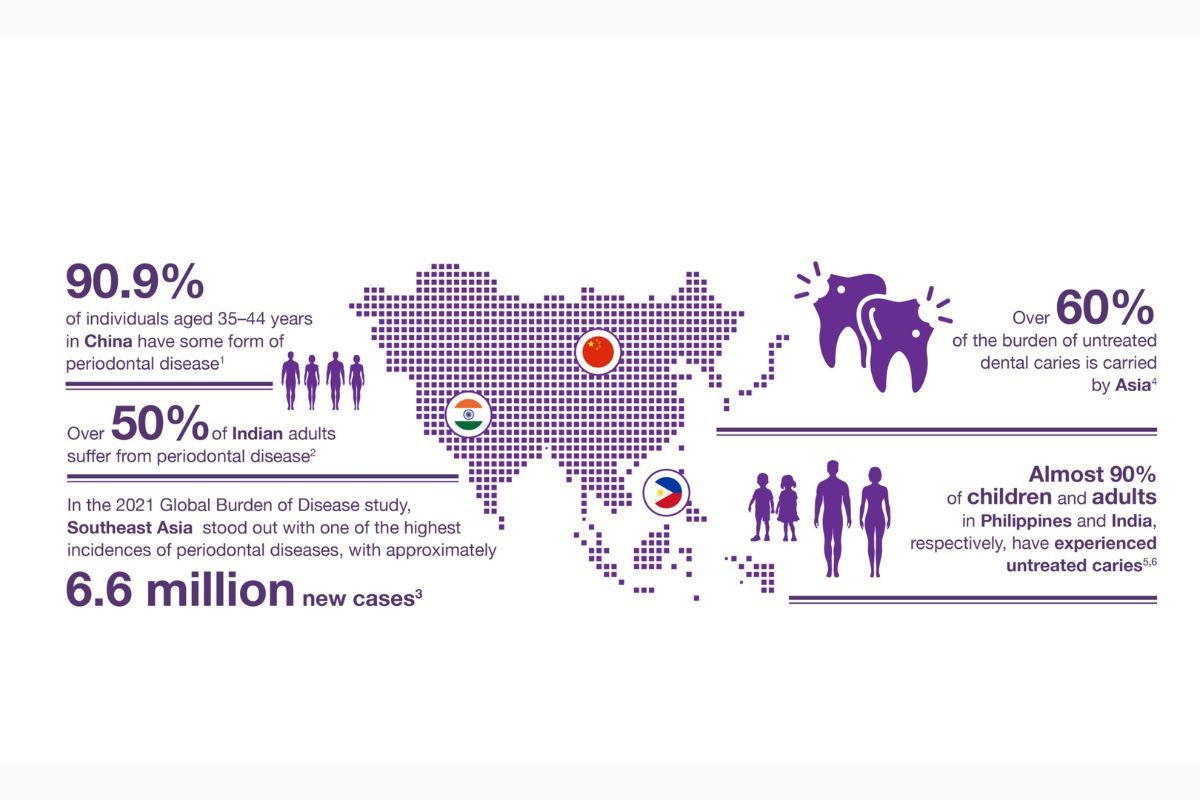
The paper was compiled by regional dental health experts with support from Kenvue, the producer of LISTERINE®. It asserts that most oral diseases such as gingivitis, tooth decay, and periodontitis are preventable. However, these conditions remain prevalent and undermanaged across the Asia Pacific, with consequences affecting the heart, lungs, and other organs.
“Oral health determines overall human health,” said Dr. Arleen Reyes, President of APDF. “Most oral diseases can be prevented, yet they still impose a significant burden on individuals and healthcare systems in the Asia Pacific region. Prevention is the most effective method for maintaining oral health, and it is time to maximise its use. The paper calls on patients, dentists, schools, and policymakers to recognise that oral health begins with daily habits at home.”
CLINICALLY PROVEN MOUTHWASH STRENGTHENS ORAL CARE ROUTINES
Many understand the importance of brushing twice daily, but APDF notes this only reaches about 25% of the mouth’s surface. Other areas like gums, tongue, inner cheeks, and between teeth—where bacteria accumulate—are often missed.
APDF’s paper states that using therapeutic mouthwash daily, along with brushing and flossing, cleans areas inaccessible to mechanical cleaning. Studies show this routine can reduce plaque by 25-50% in six months and improve gum inflammation and bleeding by 15-30% compared to brushing and flossing alone. One study recorded a 30.8% reduction in plaque, 39% in gingivitis, and 67.8% in gum bleeding.
Among tested mouthwash formulations, essential oil (EO) and chlorhexidine (CHX) have the strongest scientific evidence for maintaining gum health and reducing plaque. EO formulations are suitable for long-term daily use, while CHX is recommended for short-term use.
GROUPS BENEFITING MOST FROM ROUTINE
Although the three-step routine benefits everyone, APDF highlights key groups gaining the most from daily mouthwash use:
Children aged six and above and teenagers: daily mouthwash helps prevent tooth decay and supports hygiene for those with braces.
Adults with chronic conditions: gum health is linked to heart disease, diabetes, and respiratory health.
Elderly and long-term medication users: dry mouth symptoms increase their risk of dental damage.
“Daily oral care routines are the best way to protect dental health between dental visits,” said Dr. Jose Angelo Militante, Chairman of APDF’s Commission of General Dental Practice and a Oral Surgeon. “Antimicrobial mouthwash use post-procedure also improves recovery outcomes by reducing infection risks and speeding up wound healing.”
With 3.5 billion people globally affected by oral diseases, APDF urges governments and policymakers to prioritise prevention in public health strategies.
LISTERINE® has supported mouthwash research for over a century. The product has undergone more than 50 clinical trials and is used by over one billion people across 85 countries. As an antimicrobial mouthwash containing essential oil, LISTERINE® aligns with APDF’s findings that EO formulations are among the best for long-term use.
Dr. Ashley Barlow, Senior Director of Medical and Safety Sciences for Asia Pacific at Kenvue, said: “Oral health routines are built from simple daily habits at home. APDF’s paper reminds us that brushing, flossing, and using mouthwash daily are realistic, evidence-backed steps. LISTERINE® has been part of this routine for over a century. We remain committed to supporting truly effective preventive approaches.”