
Asia-Pacific Community: 71 years on, echoes of the Bandung Spirit remain strong
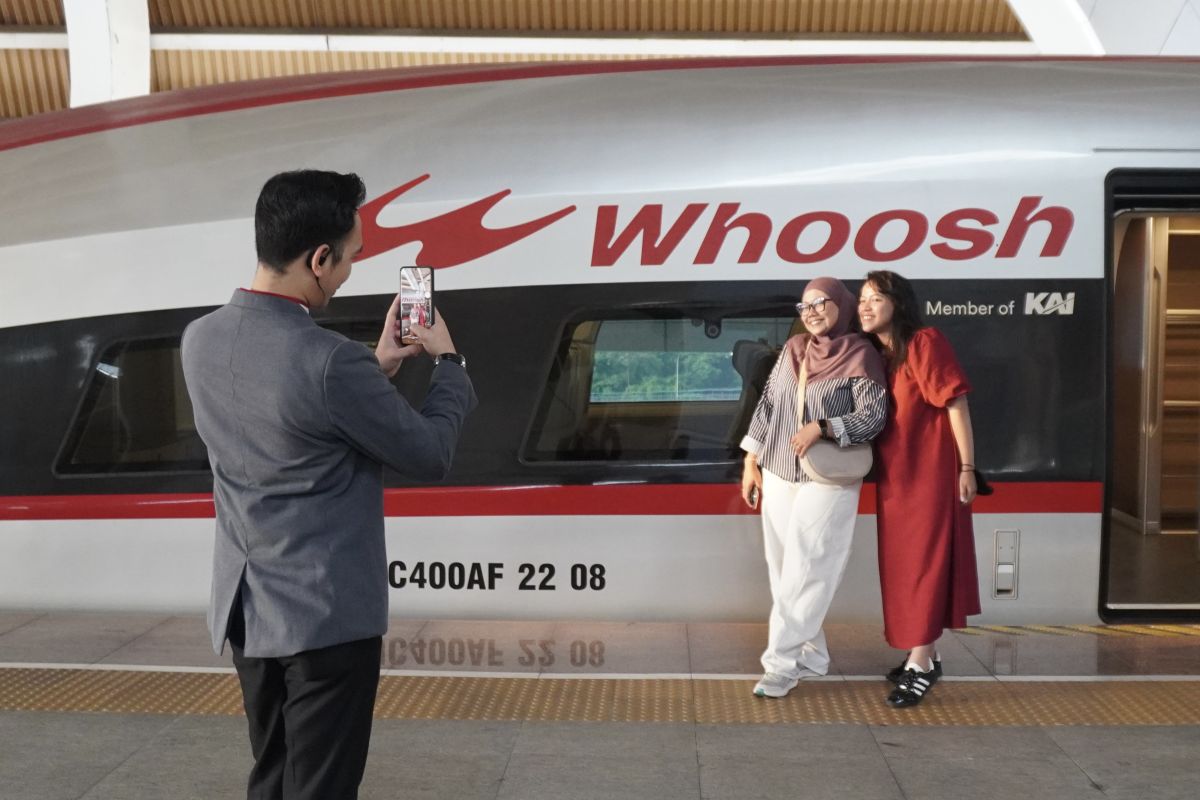
Outside the high-speed railway station in Bandung, Indonesia’s fourth-largest city, Ricky (29), an online transport driver, queues to pick up his next passenger. “I come here several times a day to drop off and pick up passengers,” he told Xinhua, stating that the Jakarta-Bandung High-Speed Railway (KCJB), known as ‘Whoosh’, makes Bandung easily accessible from Jakarta, which is only 150 kilometres away. Official data shows that as of 4 June, Whoosh, the first overseas high-speed rail project to fully utilise Chinese railway systems, technology, and industrial components, has handled more than 15.88 million passenger journeys.
Yet Bandung offers more than just modern transport progress. For many, the city’s true significance dates back to a historic gathering 71 years ago. Located on the busy Asia-Africa Street in Bandung, a number of colonial-era buildings stand elegantly under the tropical sun. One can easily be transported back to 1955, when representatives from 29 Asian and African countries gathered in Bandung for the historic Bandung Conference. At that time, tens of thousands of residents lined the streets in anticipation as leaders walked together with pride, opening a new chapter of solidarity and mutual support.
Gedung Merdeka, situated right on the edge of the road, is a cream-coloured, three-storey landmark. During the colonial period, the building was an exclusive social club for the elite. In 1955, it assumed an entirely different role as the venue for the historic conference. In 1980, the east wing of the building was designated as the Museum of the Asian-African Conference, preserving this pivotal chapter of history permanently. Although the museum had not yet opened for the day, Elvitarizky, a mother from Surabaya, Indonesia’s second-largest city located on the northeastern coast of Java, was already waiting outside with her two children. “I brought them here specifically so they can observe and directly feel the Bandung Spirit,” Elvitarizky said. “I want them to truly understand the meaning of peace and cooperation.”
Inside the exhibition rooms, various historical photographs and artefacts present a picture of the past. Within just an hour of touring, a Xinhua reporter encountered three highly enthusiastic study groups. One consisted of 50 people who had travelled from a nearby junior high school. “We bring these young students here to remember history and honour our predecessors,” their teacher said. “History is the most valuable textbook.”
Just a stone’s throw away, across the street, stands the Savoy Homann Hotel, where delegates stayed during the historic conference. In the hotel lobby, a colonial-era map of Java is displayed, evoking deep reflection on the archipelago’s turbulent past. Once, old railway networks crisscrossed the island, channelling spices, rubber, and minerals to the ports of the colonial rulers. Located along the equator, Indonesia has always been blessed with abundant natural wealth. Wang Dayuan, a 14th-century Chinese navigator and explorer, praised the fertility of Java’s soil and lowlands in his records, noting that its grain and rice harvests were so bountiful they were double those of other countries. Marco Polo, the Italian explorer, also marvelled at the thriving trade in the region in his journals.
However, such immense wealth inevitably invited boundless greed. From the 17th century, the warships and cannons of Western powers shattered the region’s tranquillity. As writer Elizabeth Pisani observed in her book “Indonesia Etc.: Exploring the Improbable Nation”, colonisers were only interested in extracting profit and cared nothing for local welfare. For a very long time, Indonesia was exploited as a primary source of overseas wealth for the Netherlands. Yet, facing brutal oppression, the Indonesian people fought valiantly, from generation to generation, until the dawn of the nation’s independence finally broke in 1945.
Today, the baton of history has passed to a new generation. At a recent international seminar commemorating the 71st anniversary of the Asia-Africa Conference, the Bandung Spirit of solidarity, friendship, and cooperation remained the concept most frequently invoked by participants. Al Busyra Basnur, president of the Indonesia-China Friendship Association, recently completed a 10-day visit to China at the end of May, where he attended various events aimed at promoting exchanges and communication between the two countries. “In recent years, deepening cooperation and mutual support between Indonesia and China within a multilateral framework has significantly driven regional prosperity and development,” Basnur told Xinhua.
People-to-people friendship holds the key to good state-to-state relations, a sentiment fully seconded by Kang Zhenguo, the Chinese director at the Mandarin Language Centre at Maranatha Christian University in Bandung. Kang told Xinhua that the long-standing friendship between the two societies relies heavily on the younger generation continuing to nurture the relationship. In recent years, flagship cooperation projects like Whoosh have provided tangible convenience for local residents and further strengthened the mutual trust and friendship between the two peoples.
Source: jawawa.id (https://jawawa.id/newsitem/asia-pacific-community-71-years-on-echoes-of-the-bandung-spirit-remain-strong-1780995773)
Originally published by Antara (Indonesian) (https://www.antaranews.com/berita/5600461/komunitas-asia-pasifik-71-tahun-berlalu-gema-semangat-bandung-tetap-terasa), translated from Indonesian