
Ashari Still Traumatised After Being Held Hostage by Somali Pirates
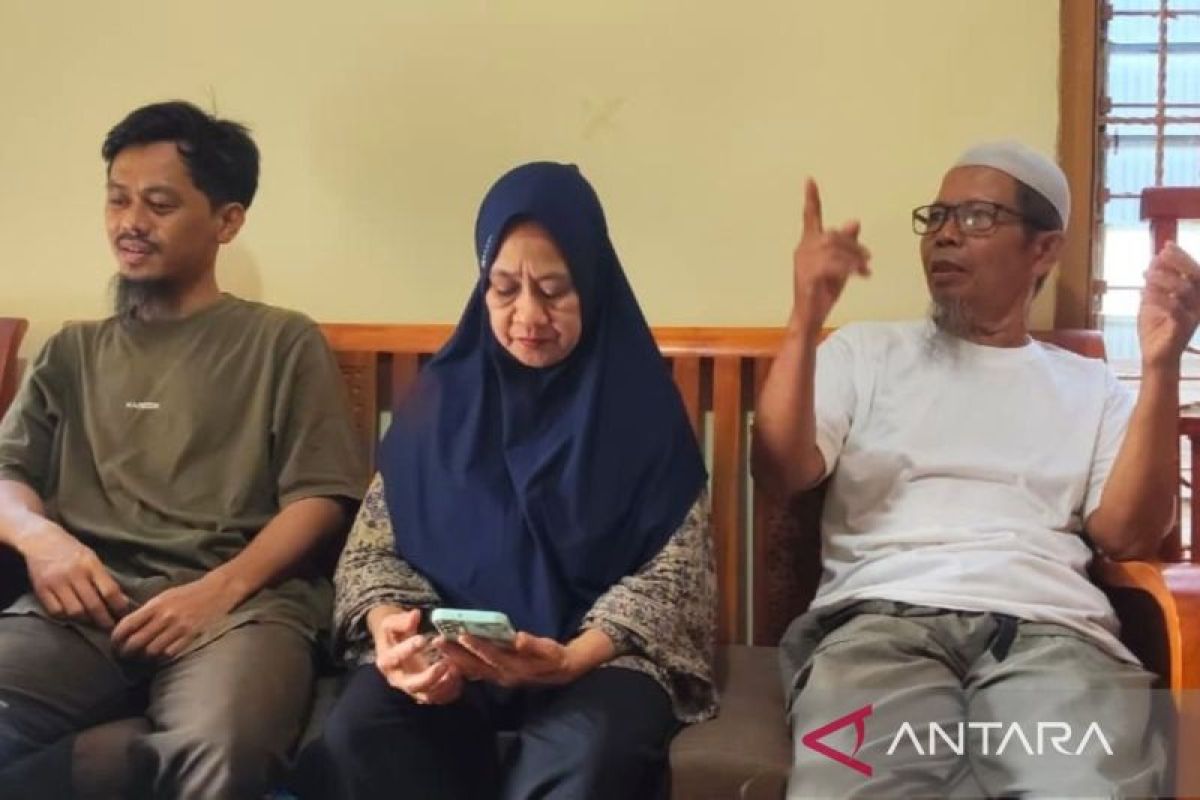
Gowa (ANTARA) – Ashari Samadikun, captain of the MT Hanour 25 and one of the crew members held hostage by Somali pirates before being repatriated by the government, said he was grateful to have survived and to be reunited with his family, but remained traumatised by what he had experienced.
“I can put off (considering whether to sail again). I’m still trying to recover emotionally, because even now I can’t (decide). I keep thinking about my crew and seeing them in my mind, because I saw someone being shot with my own eyes,” Ashari said in Gowa, South Sulawesi, on Thursday.
He said the male hostages had managed to endure five months aboard the ship, from 21 April until their release on 29 September 2026. Their families, meanwhile, had been anxiously waiting for good news.
“That is what makes me so sad. I hoped we could all return safely. But Allah SWT had other plans. Two of my crew could not come home, and that is why I am still so deeply affected,” said Ashari, who was in charge of the ship.
He recalled that before the ship’s cook died, the man called out to him, in words Ashari translated from English: “Captain, please help me. Don’t leave me, don’t die, stay strong.”
“For five months, we were on that ship. It was oppressive, especially mentally. We lost hope in the third month. That month, there were no more phone calls and no communication at all. The food had run out, all the generators had broken down, and the equipment had stopped working,” he said.
Their suffering worsened when the fresh-water production machine broke down. They changed its motor several times. “But, thank God, we prayed and looked for a way forward. Thank God, we found a way to get the machine running,” he said.
Speaking to reporters at his home in Moncongloe Hamlet, Paccellekang village, Pattallassang district, Gowa, South Sulawesi, Ashari said what saddened him most was that the crew member who died about four months into the captivity had never been able to contact his family.
The pirates allowed Ashari to make video calls so that news could be sent to Indonesia and other countries, and he could tell his family he was still alive. The other crew members were not given access to telephone or video calls with their families.
Despite the despair of captivity, Ashari continued to encourage the crew to stay calm and keep going. He said this helped all 17 crew members endure.
“Encouragement was what kept us calm. We thought the ransom would be no small amount. There was a time when there was no communication from the government or from the Pakistani NGO. Our lives on the ship were precarious; food and drink were running critically low.”
“I thought perhaps this was where our lives would end, where our struggle would end. But I did not dare tell the crew. I reassured them: ‘God willing, we’ll go home.’ That was the hardest part, when someone died. But we kept supporting one another and surrendered ourselves to Allah,” he said.
Ashari said the pirates initially demanded a ransom of US$7 million. The sum was enormous and could not be raised quickly, given that 17 people were being held, but the pirates remained adamant.
“I argued with them. I told them it was impossible. I explained how much oil the ship could carry, how much the oil was worth and how much the ship was worth. It was not logical; no one could pay that. Even if it took one year or three years, it would never be paid,” he recalled.
The demand was then negotiated down to US$4 million and subsequently to US$3 million and US$2 million, before reaching US$1.5 million. Ashari said he acted as an interpreter and tried to persuade the pirates that the amount would be difficult to meet.
“Thank God, they understood. They agreed to reduce it all the way to US$1.5 million. But I don’t know which country’s side paid it, or whether it was paid, because two people were sent. The first was Leslie, from the UK, who handled the ransom negotiations. The other provided medical assistance and food,” he added.