
ASEAN-SEAMEO Roadmap Outlines Seven Key Priorities for Early Childhood Education
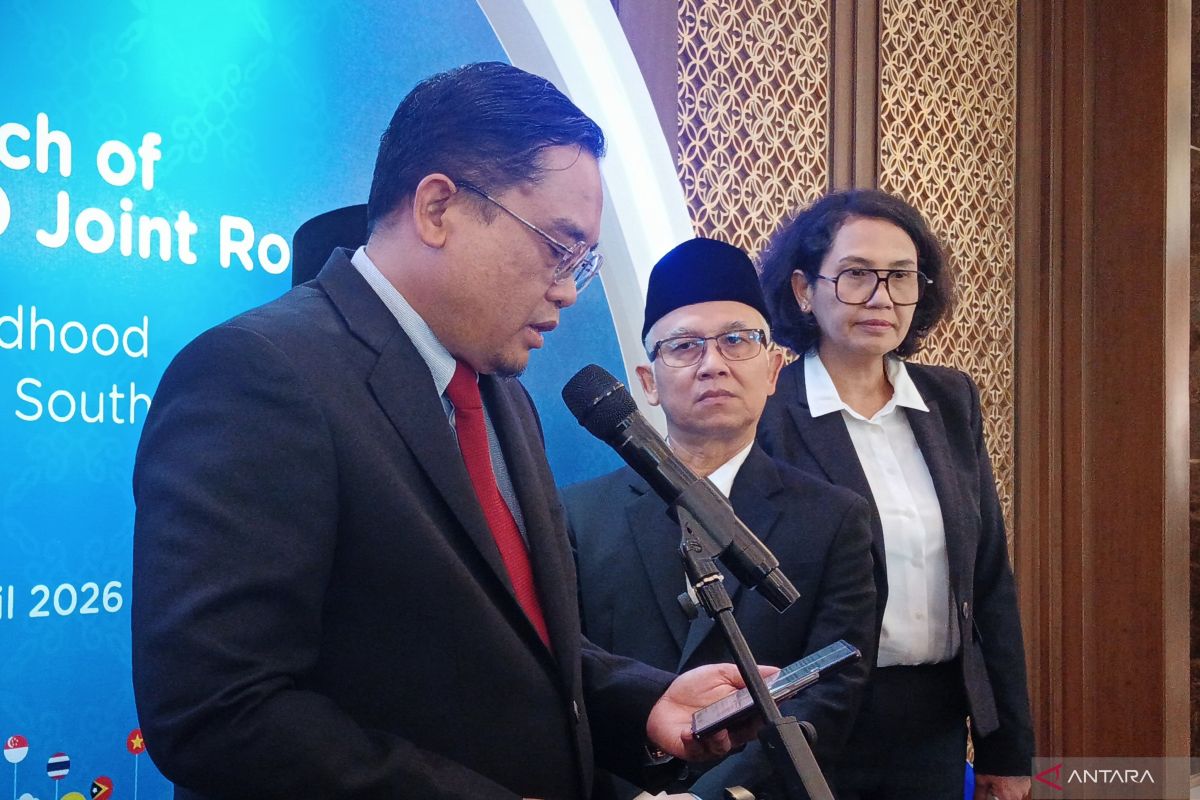
Jakarta (ANTARA) - The Ministry of Basic and Secondary Education (Kemendikdasmen) has stated that the Joint Roadmap ASEAN-SEAMEO on Early Childhood Education and Care in Southeast Asia contains seven important aspects that governments must provide to young children. “This roadmap includes seven key elements that must be provided to young children,” said the Director General of Early Childhood Education, Basic Education, and Secondary Education (Dirjen PAUD Dikdasmen) Gogot Suharwoto during the roadmap launch event in Jakarta on Thursday. He then elaborated that these seven important aspects include improving access to early childhood education services, enhancing the quality of early childhood learning services, and strengthening human resources encompassing PAUD school principals, teachers, supervisors, daycare providers, as well as reinforcing partnerships. “Strengthening partners in Indonesia because 95 percent of PAUD institutions are private, so we must involve partnerships,” he stated. Gogot continued that the fifth aspect to be provided to young children is strengthening caregiving. The sixth is the utilisation of technology. “We have already provided interactive digital devices and interactive digital boards in 64,000 PAUD institutions across Indonesia,” he said. The seventh important aspect to be provided to young children is funding for PAUD. “PAUD can now be funded from various sources, both from the central government, regional governments, and villages,” he added. Previously, Gogot explained that the Joint ASEAN-SEAMEO Roadmap on Early Childhood Education and Care in Southeast Asia is not only designed as a shared commitment but also as a technical reference that can be translated into policies, programmes, and investments in each country. “This is our commitment to ensure that every child in Southeast Asia has access to quality, inclusive, and holistic PAUD,” he said. It is known that the development of this roadmap involved various regional stakeholders. The approach used emphasises cross-sectoral integration covering education, health, nutrition, and child protection. Thus, PAUD development does not proceed in a partial manner.