
ASEAN Power Grid Project Will Require US$800 Billion by 2050
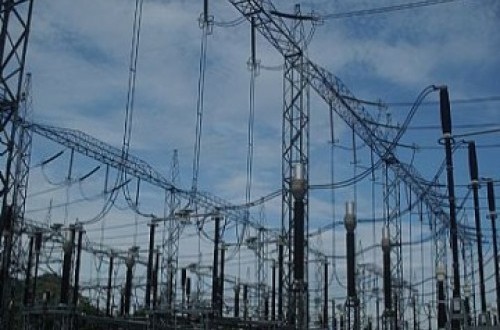
SINGAPORE — Developing the integrated ASEAN Power Grid (APG) is expected to require investment of up to US$800 billion by 2050. The scale of the funding need creates opportunities for foreign investors, technology companies, contractors and energy infrastructure developers to take part in cross-border electricity projects in Southeast Asia.
ASEAN Centre for Energy (ACE) Executive Director Dato’ Ir. Razib Dawood said the APG would require investment in a range of infrastructure and supporting technologies. These include transmission networks, subsea cables, energy storage systems and digital technology to integrate electricity systems across countries.
“This involves many projects. We need to explore opportunities in advanced technology to implement the ASEAN Power Grid,” Razib said in an interview on the sidelines of Singapore International Energy Week (SIEW) 2026 on Wednesday (28 October 2026).
According to Razib, companies from China, Japan and other countries have opportunities to participate in APG development. Their involvement could include supplying technology, providing capital, or acting as contractors, project owners and infrastructure developers.
Investment opportunities are not limited to transmission networks and physical electricity infrastructure. APG development will also require software, information technology, energy storage batteries, solar power plants, wind turbines and other supporting technologies.
Razib cited China’s experience in building long-distance transmission networks connecting energy-producing regions with centres of electricity demand. He said this experience could provide a reference for ASEAN countries as they develop regional electricity infrastructure.
However, foreign companies must follow procurement procedures and regulations in each country. Razib expects APG projects to give a range of companies the opportunity to compete through tender processes.
“I am confident ASEAN countries will conduct open tenders. Technology and capital are important opportunities for foreign parties to contribute,” he said.
Razib also urged prospective investors to begin engaging with utilities and private power developers, or independent power producers (IPPs), in ASEAN. Early discussions are needed to help companies understand technology needs, project requirements and commercial arrangements before procurement begins.
Beyond infrastructure requirements, APG development faces challenges in aligning regulations and cross-border electricity trading mechanisms. Cross-border projects require agreements on financing, commercial viability, power purchase agreements and the harmonisation of technical standards.
Differences in electricity systems, national interests and market mechanisms in each country add to the complexity of APG development. Successful pilot projects are therefore considered important for demonstrating commercial viability and building the confidence of financing institutions.
Razib said ASEAN needs to accelerate development of the regional electricity grid without waiting for all member states to be ready at the same time. Existing bilateral electricity-trading arrangements can provide a foundation for broader multilateral schemes.
Grid integration would allow renewable energy from countries with abundant resources to be transmitted to areas with high electricity demand. Such arrangements could increase the use of clean energy while reducing the need to build less efficient infrastructure.
In addition to creating investment opportunities, APG development will require a more skilled energy-sector workforce. Needed expertise includes electricity grid engineering, operation of energy storage systems and management of renewable energy generation technologies.
Razib said APG development could help ASEAN countries strengthen industrial capacity and expertise in energy technology. International investors are expected not only to support project financing but also to accelerate the region’s technical capabilities.
“Technology and capital are important opportunities for foreign parties to help realise this major energy transition project in the region,” he said.