
ASEAN Faces Gas Deficit Risk as Pertamina Targets Biomethane Potential from Palm Oil Waste
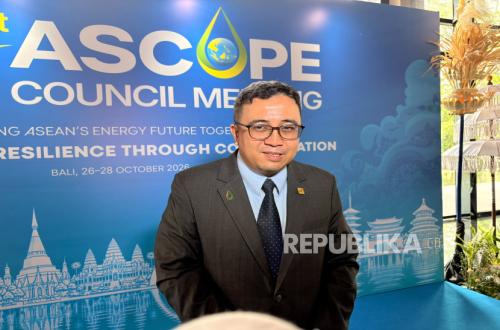
DENPASAR — ASEAN is expected to become a net gas importer after 2032, prompting countries in the region to seek alternative supplies to strengthen energy security. PT Pertamina (Persero) sees an opportunity in using palm oil mill effluent (POME), which could produce more than 200 million standard cubic feet per day (MMSCFD) of biomethane.
Pertamina Deputy President Director Oki Muraza said developing alternative gas sources was one measure that needed to be prepared for in anticipation of rising energy demand in Southeast Asia. Indonesia’s potential biomethane from palm oil mill effluent, he said, could be developed into an economically valuable energy source.
“We are discussing how to capture methane released from wastewater in Indonesia and other countries. In Indonesia alone, for example, we have the potential to produce more than 200 MMSCFD of biomethane from this wastewater, which we could monetise,” Oki said at the 51st ASEAN Council on Petroleum and Energy (ASCOPE) meeting at The Meru Sanur in Denpasar, Bali.
Oki explained that developing gas supplies must go hand in hand with efforts to increase energy production in each ASEAN country. According to projections he presented at the forum, ASEAN is expected to face a gas deficit and become a net importer after 2032.
Countries in the region therefore need to accelerate natural gas projects while making the most of available energy resources. Oki said cross-border investment cooperation was also needed to strengthen production and secure long-term energy supplies.
“So that our children and grandchildren can thrive, we need careful planning on how to increase production in each country and actively invest together across the region,” he said.
In Indonesia, liquid waste from the palm oil industry is one potential source of biomethane. Through the processing and purification of biogas, methane from POME can be developed into gas for use as an alternative energy source.
Biomethane development also offers an opportunity to link industrial waste management with energy needs. However, realising its potential will depend on processing technology, project economics, distribution infrastructure and certainty that there will be a market for the gas.
Pertamina New & Renewable Energy (PNRE) President Director John Anis said Pertamina had begun developing opportunities to commercialise biomethane through cooperation with Singapore LNG Corporation (SLNG). The partnership is intended to process POME from palm oil mills into biomethane, which can then be processed into bio-liquefied natural gas (Bio-LNG).
John said the cooperation combines Indonesia’s available feedstock with Singapore’s market access and LNG infrastructure. The model is expected to create added value for both sides and open up a market for biomethane.
“They have the market, we have the feedstock, and we will also have technology that we develop together, making it mutually beneficial,” John said.
To support the project, PNRE has mapped feedstock potential at about 27 palm oil mills in Sumatra. The sites are divided into four clusters: North Sumatra, Riau, Jambi, and Lampung and Palembang.
The project feasibility study is currently making positive progress. PNRE is still refining plans to transport biomethane, either through pipelines or by road tanker. The company is also seeking letters of intent from prospective buyers, or off-takers, to help secure demand for the product.
John said the distance of processing facilities from existing gas pipelines would not necessarily prevent projects from going ahead. PNRE is assessing virtual transfer or gas-swapping arrangements that would allow gas to be delivered through available networks, depending on requirements and infrastructure conditions.
Separately, PT Perusahaan Gas Negara Tbk (PGN), Pertamina’s gas subholding, is preparing three biomethane development projects in Sumatra, which are targeted to begin commercial operations in 2027.
The projects comprise a biomethane injection facility at Sei Mangkei through Pertagas; a CNG-biomethane development in Pekanbaru through Gagas; and an injection facility in South Sumatra through SPG Pagardewa. The last project is designed to receive and inject biomethane transported by CNG trucks into the South Sumatra–West Java (SSWJ) pipeline network and is currently under construction.
Biomethane is one option for diversifying gas supplies amid challenges in meeting the region’s energy needs. With feedstock potential from the palm oil industry and distribution infrastructure under development, Indonesia has an opportunity to make better use of domestic resources to support energy security. However, biomethane’s contribution to meeting national gas demand or reducing imports will depend on projects being realised and on the volumes that can be produced commercially.
Source: jawawa.id (https://jawawa.id/newsitem/asean-faces-gas-deficit-risk-as-pertamina-targets-biomethane-potential-from-palm-oil-waste-1793098347)
Originally published by Republika (https://esgnow.republika.co.id/berita/tnk937522/asean-terancam-defisit-gas-pertamina-bidik-potensi-biomethane-dari-limbah-sawit), translated from Indonesian