
ASEAN Enters Danger Zone as Humid Heatwaves Could Last for Months
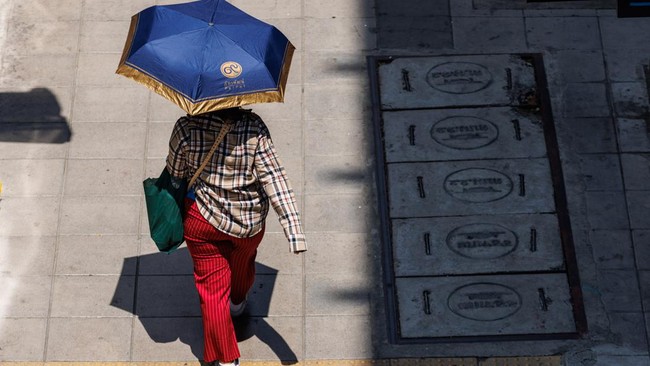
Southeast Asia is one of the regions most vulnerable to dangerous humid heatwaves, where high humidity makes the weather feel far more oppressive and increases health risks even when air temperatures are not extreme.
A new report from non-profit organisation Climate Central reveals that the duration of extreme weather globally has more than doubled over the past five decades, from an average of 10 days per year in the 1970s to 23 days today. The report, released on Wednesday (24/6/2026), indicates that parts of Southeast Asia, South America, and coastal West Africa now experience at least six months each year with ‘dangerous humid heat’.
The largest increases have occurred in tropical regions with already high humidity levels, where the combination of heat and moisture makes it difficult for the human body to cool itself. Climate Central scientist Zack Labe explained that the term refers to days when the wet-bulb temperature reaches 25 degrees Celsius or more. ‘When that threshold is exceeded, the body’s ability to cool down is increasingly strained, raising the risk of heat-related illnesses,’ Labe said.
The report identifies human-caused climate change as the primary driver, with nearly two-thirds of such dangerous humid heat days globally now attributable to a warming planet. Labe noted that parts of coastal Southeast Asia are currently experiencing extremely dangerous humid heat, with the likelihood of such events increasing due to climate change.
Several countries are already feeling the impact. Northern and central Vietnam, including Hanoi, have faced heatwaves in recent days, while Thailand recorded a heat index of up to 54 degrees Celsius in some areas. In India, temperatures recently soared past 45 degrees Celsius, driving up electricity consumption for air conditioning and putting pressure on health systems. The India Meteorological Department reported maximum temperatures of 40 to 43 degrees Celsius across several states, with the city of Banda in Uttar Pradesh reaching 44.2 degrees Celsius.
Outdoor workers are the most vulnerable group, facing a combination of high temperatures, humidity, direct sun exposure, and strenuous physical activity. A recent McKinsey Global Institute report also highlighted Southeast Asia’s high vulnerability to climate change, noting that many regional economies depend heavily on outdoor labour. In Cambodia, Indonesia, and Thailand, agriculture accounts for 8 to 15 percent of the economy, far above the global average of 4 percent, making these countries particularly susceptible to extreme weather.
McKinsey estimates that nearly half of Southeast Asia’s land area and population are exposed to at least one climate hazard, with 15 percent of the region facing heat stress. To mitigate these impacts, annual climate adaptation investment in the region needs to rise from an estimated US$12 billion to US$37 billion, funding early warning systems, drainage networks, irrigation, and cooling facilities.
Labe stressed that the most effective risk-reduction measures include improving workplace education on heat dangers, regularly monitoring temperature and humidity, and ensuring workers have access to drinking water, rest breaks, shade, and adequate cooling. Climate Central scientist Kaitlyn Trudeau added that dangerous humid heat has shifted from a rare event to a daily reality in some areas, pushing environmental conditions to the limits of safe human endurance.
The findings align with a separate report from World Weather Attribution, which concluded that the current heatwave in Europe is driven by climate change, with 45 percent of 854 European cities expected to break wet-bulb temperature records by the end of June. Theodore Keeping, an extreme weather researcher at Imperial College London, stated that the scientific evidence is clear: ‘Science has confirmed that climate change is worsening heatwaves. Continued fossil fuel emissions are directly causing the disruptions now felt by communities in their homes, schools, and workplaces.’