
ASEAN Continues to Push for Nuclear Disarmament Amid Global Tensions
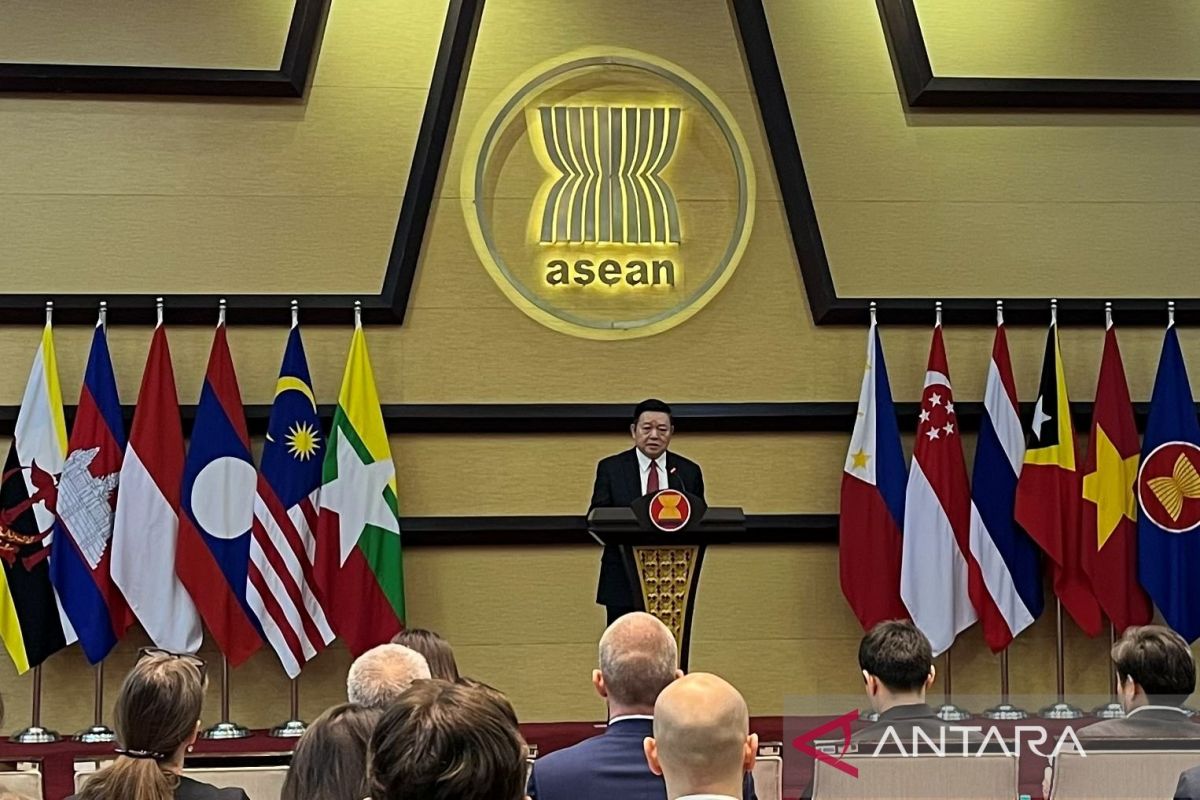
ASEAN countries continue to call for nuclear disarmament and non-proliferation in the region despite an increasingly challenging global security situation and rising provocative rhetoric regarding the use of nuclear weapons.
ASEAN Secretary-General Kao Kim Hourn stated in Jakarta on Tuesday that ASEAN ministers consistently convey to their partners the bloc’s commitment to ensuring the region remains free of nuclear weapons and other weapons of mass destruction. The matter was discussed during the Commission on the Southeast Asia Nuclear Weapon-Free Zone (SEANWFZ) meeting on 20 June 2026, held as part of the 59th ASEAN Foreign Ministers’ Meeting in Manila.
Kao noted that ASEAN foreign ministers acknowledged the waning spirit of nuclear disarmament and the weakening non-proliferation architecture in the Asia-Pacific region, particularly following ballistic missile tests and other dynamics on the Korean Peninsula. He expressed concern that there are still more than 13,000 nuclear warheads worldwide, with provocative nuclear rhetoric having increased since last year and continuing into this year.
ASEAN also noted the failure to reach a final consensus at the 11th Review Conference of the Parties to the Treaty on the Non-Proliferation of Nuclear Weapons (NPT) in New York from April to May 2026. In response, ASEAN stressed the importance of enhancing cooperation with international agencies to ensure nuclear security, nuclear safety, disaster preparedness and response, and the peaceful use of nuclear energy.
The bloc continues to urge the five recognised nuclear-weapon states — China, France, Russia, the United Kingdom, and the United States — to accede to the SEANWFZ Treaty. The ministers emphasised the need for legally binding security assurances, particularly when engaging with the five nuclear-weapon states. While rejecting nuclear weapons, ASEAN continues to advocate for the peaceful use of civilian nuclear energy, with the ASEAN Plan of Action for Energy Cooperation 2026-2030 recognising civilian nuclear power as a sustainable alternative to fossil fuels.